








 WatcherGuru
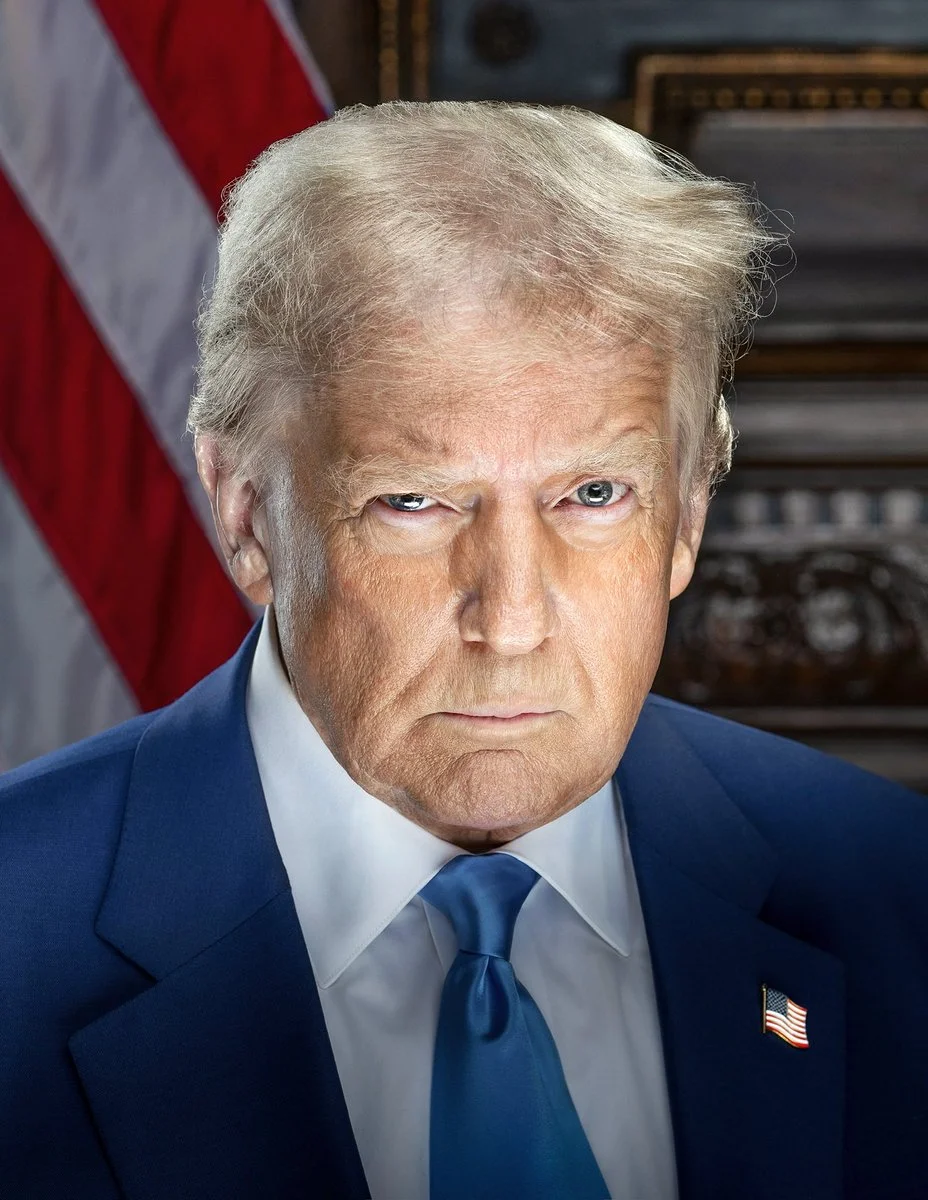
President Trump has declined to renew the United States-Mexico-Canada Agreement, letting the 2018 trilateral trade pact head toward expiration in 2026. Without a renewed framework, tariff schedules across autos, agriculture, and manufactured goods revert to the pre-USMCA baseline.
Why it matters
The USMCA was negotiated to replace NAFTA and locked in duty-free access across roughly $1.6 trillion in annual trilateral goods trade. A non-renewal hands negotiators a six-month sunset window to renegotiate, but markets had largely treated the 2026 review as a formality. The shift forces Mexico and Canada to the table with Washington holding the leverage of reversion.
Market impact
Risk-off positioning is the immediate read. The peso and Canadian dollar sold off on the headline as traders price in the possibility of tariff escalation across autos and energy. Equity desks are flagging exposure for cross-border manufacturers with thin-margin assembly chains, while agricultural exporters on both sides of the border face the prospect of returning duties on staples that have moved duty-free for nearly a decade.
Frequently asked questions
-
What happens if the USMCA is not renewed?
Tariff schedules revert to the pre-USMCA baseline. Goods that moved duty-free across US, Mexico, and Canada borders for nearly a decade would face returning duties unless a replacement deal is signed before expiration.
-
When does the USMCA expire?
The pact faces a 2026 review window. A non-renewal starts a six-month sunset clock, after which the trilateral framework lapses absent a renegotiated agreement.
-
Which sectors are most exposed to a non-renewal?
Autos, agriculture, and cross-border manufacturing carry the cleanest direct exposure, with assembly chains and staple-goods exporters on both sides of the border facing the steepest impact.
-
How did markets react to the headline?
Risk-off positioning dominated. The Mexican peso and Canadian dollar sold off as traders repriced tariff risk, and equity desks flagged exposure for manufacturers with thin-margin assembly chains.
-
Who has the leverage in renegotiation?
Washington holds structural leverage: reversion to higher pre-USMCA tariffs applies unless a replacement is signed, giving US negotiators the stronger hand at the table with Mexico and Canada.
 WuBlockchain
 CryptoSlate
 TheBlock
 CoinDesk
 CoinTelegraph
 Crypto News