








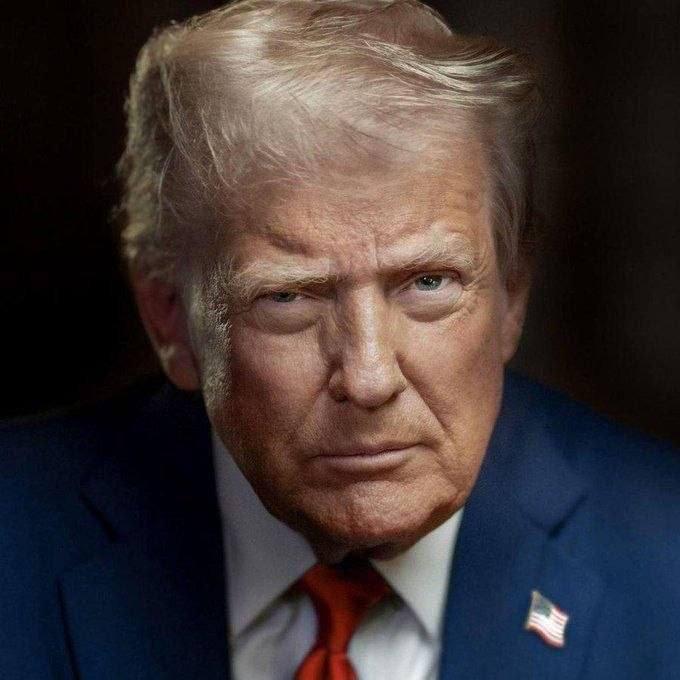
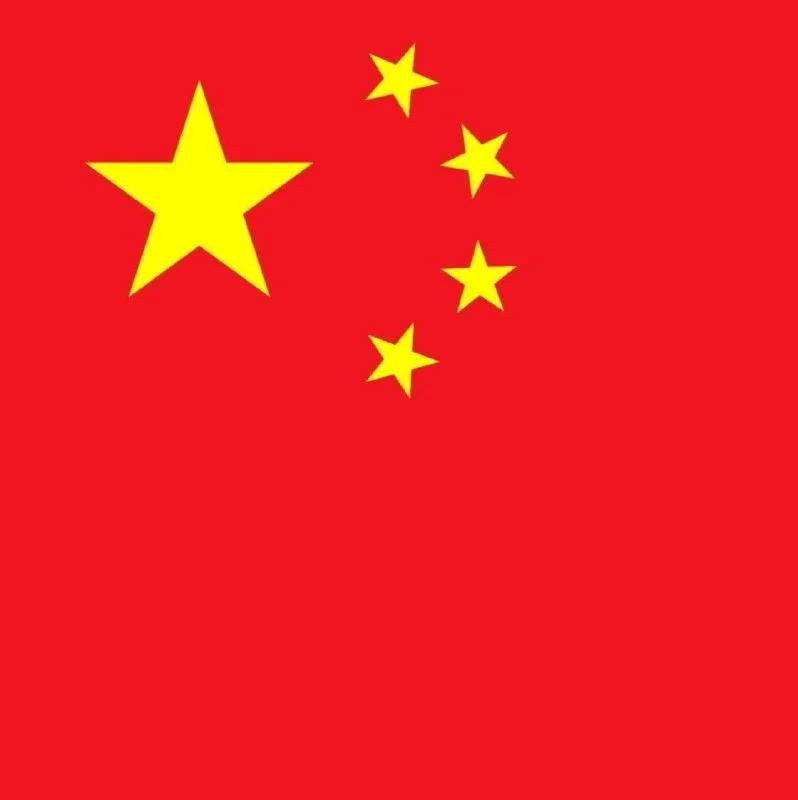
Donald Trump said China “could not be happier” with opposition to US data centers, linking the US AI infrastructure debate to the broader US-China technology contest. By casting resistance as an advantage for China, Trump signals that expanding US computing capacity is a strategic priority.
Why it matters
Data centers provide the computing capacity behind AI systems, while projects can face resistance over electricity demand, land use and permitting. The framing gives those infrastructure decisions a competitiveness dimension as the US and China vie for AI capability.
Market impact
The remark does not announce a new policy or specify a market impact. Investors will watch approvals, power availability and grid access for evidence that the pro-buildout stance becomes concrete. Faster construction would support demand across chip suppliers, power providers and data-center operators, while delays would weaken that read-through.
Frequently asked questions
-
Why does opposition to US data centers matter for AI?
Data centers provide the computing capacity behind AI systems. Resistance over electricity demand, land use and permitting can affect the pace of new projects.
-
What strategic issue did Trump attach to data-center opposition?
He linked US data-center capacity to the broader competition with China over AI capability and technology.
-
What should investors watch after Trump's remark?
The key watchpoints are approvals, power availability and grid access. The remark does not announce a new policy or specify a market impact.
-
Which sectors could benefit from faster data-center construction?
Faster construction would support demand across chip suppliers, power providers and data-center operators.
-
What would make the pro-buildout signal more concrete?
Faster approvals and better access to power and the grid would show whether the stance translates into greater US computing capacity.

 TheBlock
 WuBlockchain
 CoinDesk
 WatcherGuru
 CryptoSlate