








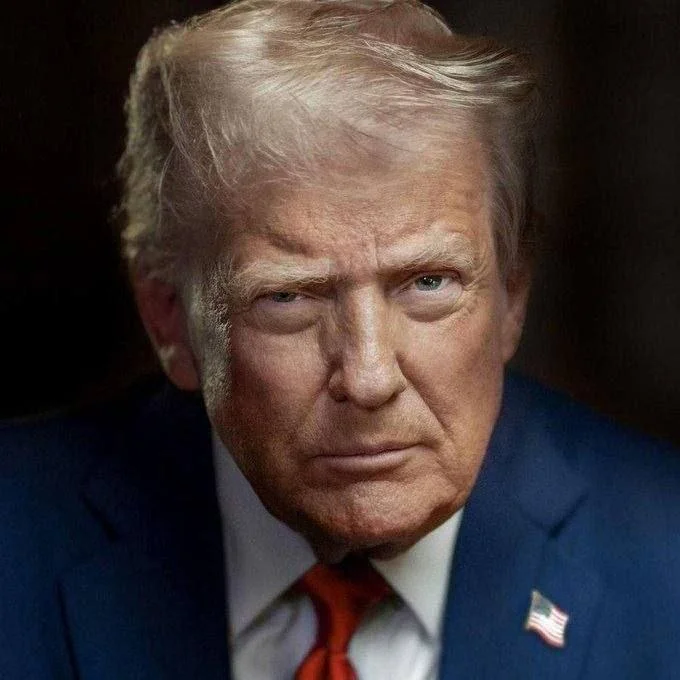
President Trump is positioned to make or break the Clarity Act next week, according to crypto journalist Eleanor Terrett. The bill, which would carve out a formal market-structure framework for digital assets by splitting oversight between the SEC and the CFTC, has bipartisan support in both chambers but is awaiting a clear signal from the White House before House leadership schedules a floor vote.
Why it matters
The Clarity Act is the structural counterpart to the FIT21 bill that advanced last cycle: it would define which tokens are securities, which are commodities, and which regulator has jurisdiction over each. Without it, US crypto issuers and platforms operate in a patchwork of enforcement actions and consent orders rather than statute. Trump's involvement raises the political stakes; a public endorsement could pressure holdouts in both parties to coalesce, while silence or opposition would likely stall the bill past the current window.
Market impact
Institutional desks have repeatedly cited regulatory clarity as the gating condition for deeper US allocation. A floor vote, even one that fails, would crystallize the legislative map and let issuers plan around a defined framework. A pull or a delay, by contrast, pushes that clarity back into the next Congress and keeps the sector trading on enforcement risk rather than rule of law.
Frequently asked questions
-
What is the Clarity Act?
The Clarity Act is a US bill that would split oversight of digital assets between the SEC and the CFTC, defining which tokens are securities, which are commodities, and which regulator has jurisdiction over each.
-
Why is Trump's involvement pivotal?
The bill has bipartisan support but House leadership is waiting on a clear White House signal before scheduling a floor vote, putting the decision in the president's court.
-
What would the bill change for crypto markets?
It would replace the current patchwork of enforcement actions and consent orders with a statutory framework, giving issuers and platforms a defined rule book to operate under.
-
How would a floor vote affect institutional allocation?
Institutional desks have repeatedly cited regulatory clarity as the gating condition for deeper US crypto allocation, and even a failed vote would crystallize the legislative map for planning purposes.
-
What happens if the bill stalls?
If the Clarity Act stalls, regulatory clarity for US crypto gets pushed into the next Congress, and the sector continues to trade on enforcement risk rather than rule of law.

 CryptoSlate
 Crypto Rank News
 Crypto News
 CoinDesk
 TheBlock
 Benjamin Cowen
 WatcherGuru