








 CoinDesk
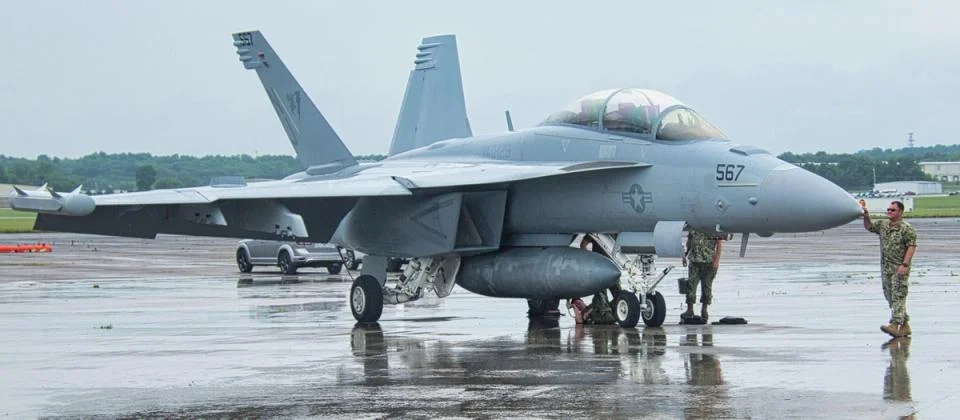


U.S. strikes on southern Iran and Iran's retaliatory attack on the American base used to launch them sent bitcoin to a six-week low on May 28, with Brent crude jumping nearly 4% to around $96 a barrel as traders priced in a deeper Middle East escalation. The Strait of Hormuz — a chokepoint for roughly a fifth of global oil flows — is back on the clock: Polymarket odds of a permanent ceasefire by month-end collapsed from a 70% weekend peak to just 8%, and Kalshi traders are betting traffic through the strait stays subdued.
Why it matters
The macro channel is the read here, not the headline. Iran's Revolutionary Guards warned future responses would be "more decisive," and Kuwait said it intercepted hostile drones and missiles aimed at the five U.S. bases it hosts — the kind of kinetic back-and-forth that historically pulls risk assets into defensive rotation. Rony Szuster, head of research at Mercado Bitcoin, framed it as a structural-resilience story: "The crypto market remains structurally resilient, supported by long-term accumulation and the strength of AI and blockchain infrastructure narratives." The short-term tape, he added, is dominated by geopolitics and the return of institutional flows after the U.S. holiday.
Market impact
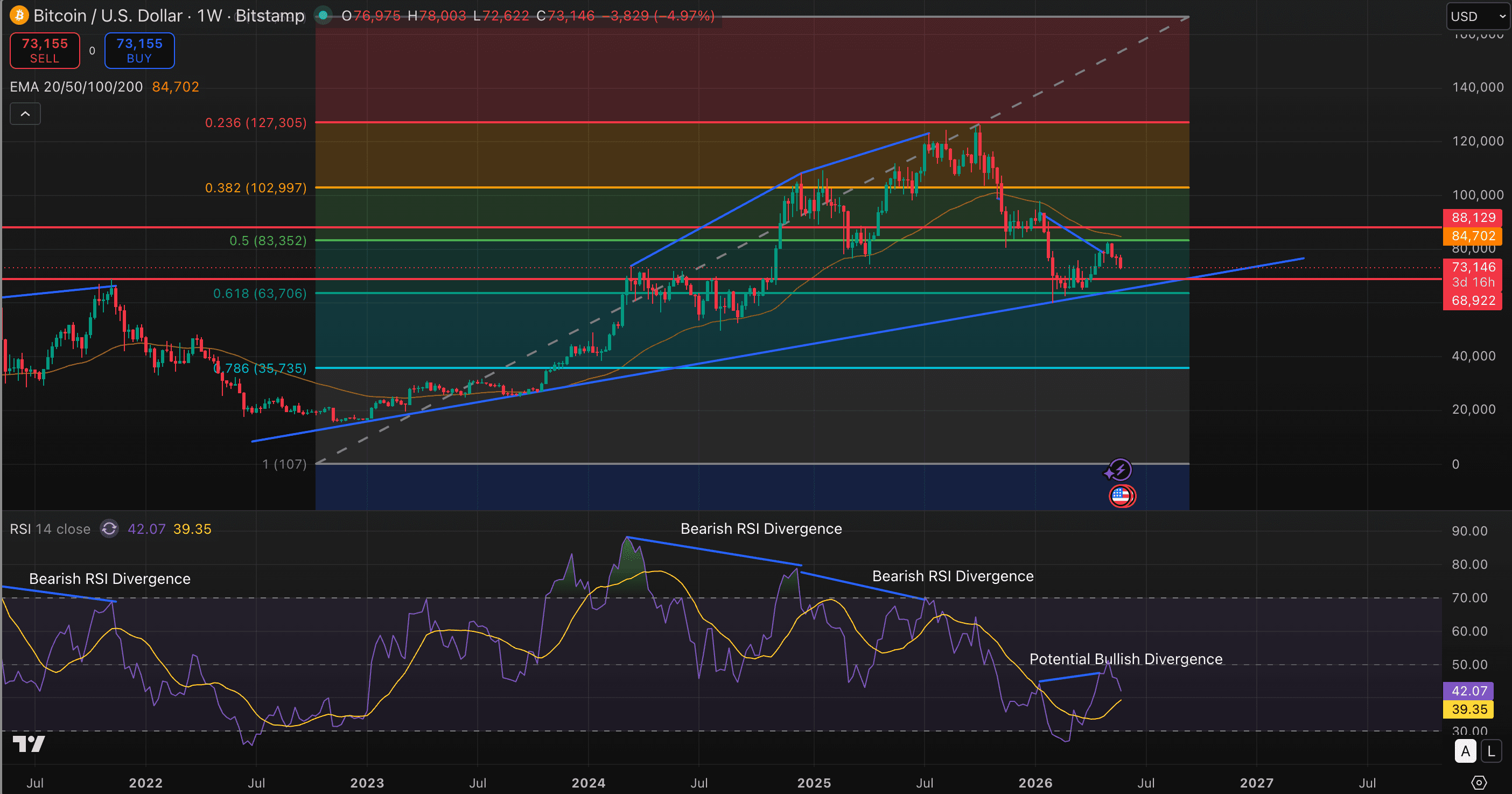
Bitcoin continues to trade below its 50-week exponential moving average near $84,000, with no RSI divergence on the weekly chart to call a bottom — the next core level to watch is the $68,000 support mark. The selloff lands on top of BlackRock's IBIT shedding $527.84 million the prior day, the second-largest single-day outflow on record, and ahead of Thursday's PCE report, the Fed's preferred inflation gauge. Higher oil into that print is the worst sequencing: it revives the stagflation framing that has been the market's main fear for the last two years.

Frequently asked questions
-
Why did bitcoin drop on May 28, 2026?
U.S. strikes on southern Iran and Iran's retaliatory attack on the American base used to launch them sent bitcoin to a six-week low, with Brent crude jumping nearly 4% to around $96 a barrel on Hormuz-disruption fears.
-
What did Polymarket say about a U.S.-Iran ceasefire?
Odds of a permanent ceasefire by month-end collapsed from a 70% peak over the weekend to just 8% on May 28; end-of-next-month odds slid from 76% to 42%.
-
How much did BlackRock's IBIT bitcoin ETF shed?
IBIT shed $527.84 million on May 27, the second-largest single-day net outflow since the fund debuted in January 2024.
-
What bitcoin price level are traders watching?
Bitcoin continues to trade below its 50-week exponential moving average near $84,000 with no weekly RSI divergence, and the next core support level on the radar is $68,000.
-
Why does oil matter for the bitcoin outlook this week?
Higher oil into Thursday's PCE report — the Fed's preferred inflation gauge — revives the stagflation framing that has been the market's main macro fear, which typically pressures risk assets including bitcoin.
 CoinTelegraph
 WatcherGuru
 Crypto Capital Venture
 Crypto Rank News