









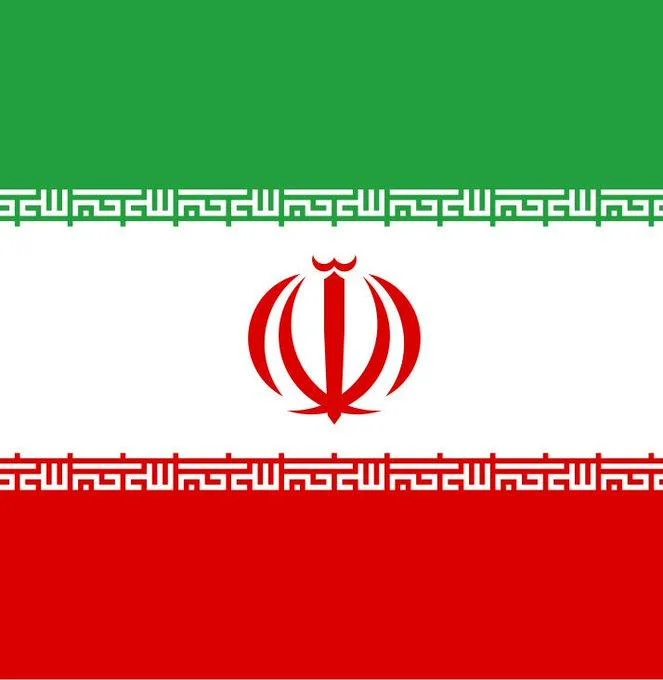
US Treasury Secretary Scott Bessent announced on Monday that OFAC sanctioned multiple digital asset wallets tied to Iran's central bank, freezing more than $130 million in crypto-linked funds.
Why it matters
Iran has been a long-running case study in how sanctioned states use crypto to circumvent dollar-based controls. Treasury's choice to publicly name wallets tied specifically to the central bank, rather than private proxies or exchange counterparties, signals a tightening of the enforcement perimeter. The action adds to a multi-year OFAC pattern of seizing and designating digital asset infrastructure used by Iranian actors, including mining operations and exchange front companies.
Market impact
The headline figure is modest at $130M, but the designator list has outsized signaling value. Compliance teams at US-licensed exchanges and custodians must screen the newly sanctioned addresses against existing customer wallets, and any service that processed transactions touching the addresses could face enforcement risk. Watch for Tether to play a role: USDT remains the dominant settlement asset for Iranian sanctions evasion, and prior OFAC actions have specifically targeted Tron-based TRC-20 wallets used in that flow.

Frequently asked questions
-
Who was sanctioned in this action?
OFAC designated multiple digital asset wallets tied to Iran's central bank, according to Treasury Secretary Scott Bessent. The action freezes more than $130 million in crypto-linked funds.
-
Why is sanctioning Iran's central bank wallets significant?
Previous OFAC actions targeted proxies, mining operations, and front companies. Going directly after wallets tied to a central bank marks an escalation in the US approach to using crypto designations in sanctions enforcement.
-
How much money was frozen?
Treasury said the action freezes more than $130 million across the newly designated wallets.
-
How does this affect US crypto exchanges and custodians?
Compliance teams must screen the newly sanctioned addresses against existing customer wallets. Any exchange, custodian, or service that processed transactions touching those addresses could face enforcement risk.
-
Which blockchain has been most linked to Iranian sanctions evasion?
Prior OFAC actions have disproportionately targeted Tron-based TRC-20 wallets, which Iran-linked actors used heavily for USDT settlement. The chain Treasury flags in any forthcoming advisory is worth watching closely.

 CryptoSlate
 Crypto News
 WuBlockchain
 CoinDesk
 TheBlock
 WatcherGuru