








 CoinDesk
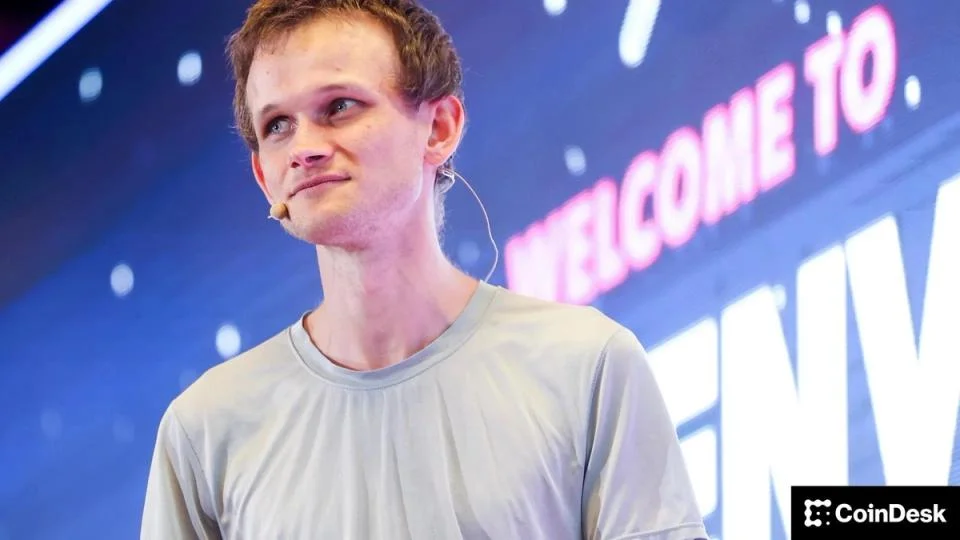

Ethereum co-founder Vitalik Buterin outlined three near-term initiatives on Wednesday designed to bring privacy onchain as a native feature of the network rather than a workaround provided by third-party mixers. The proposals — fork-choice enforced inclusion lists (FOCIL) paired with account abstraction, keyed nonces, and the Kohaku access-layer toolkit — each attack a different leak in the current stack: censorship at the mempool, onchain transaction correlation, and IP-level exposure when wallets read the chain.
Why it matters
Institutions at Consensus Hong Kong named privacy as a precondition for broader adoption, and the roadmap lands at a moment when the Ethereum Foundation is reshaping its mandate after a wave of high-profile departures. Privacy has been a stated Ethereum goal for years, but it has never been a base-layer feature — until now, users wanting private transfers have leaned on mixers like Tornado Cash, which sits inside the public mempool and can be censored by block builders. FOCIL forces inclusion of a validator committee's transaction list, making censorship economically costly; account abstraction upgrades the externally owned account (EOA) model so wallets behave like programmable smart contracts with social recovery and sponsored gas. Keyed nonces replace the single sequential counter that lets observers link transactions to the same account even when their contents are hidden. Kohaku, an open-source toolkit introduced in 2025, hands wallet developers private information retrieval so RPC nodes can answer queries without logging the requester's IP and identity.
Market impact
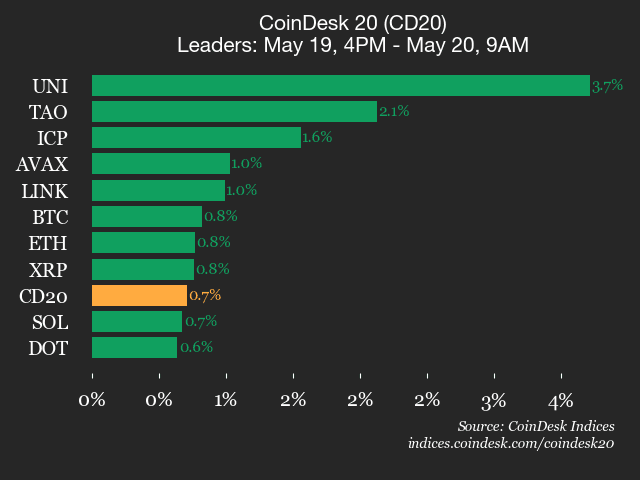
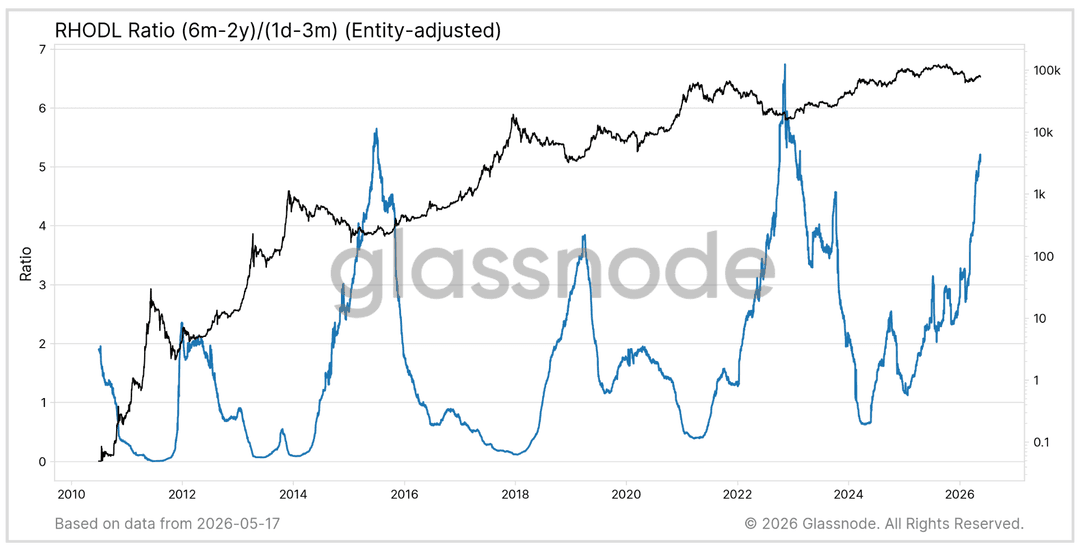
The plan reframes ether (ETH) as a utility asset whose moneyness compounds with native privacy — a thesis one X user captured as "ETH's utility value would literally jump overnight," with mainnet fees expected to follow. The market is already pricing the narrative elsewhere: Zcash (ZEC) has rallied more than 800% since early last year to a roughly $9.85 billion market cap, while Monero (XMR) is up more than 100% over the same window even as critics flag its misuse on darknet markets. Bitcoin, by contrast, has declined more than 5% over the period.



Frequently asked questions
-
What are the three privacy initiatives Vitalik Buterin outlined for Ethereum?
FOCIL paired with account abstraction (uncensorable private transactions and programmable smart-contract wallets), keyed nonces (independent replay domains that break transaction correlation), and the Kohaku access-layer toolkit (private information retrieval so RPC nodes answer queries without logging user identity).
-
How does FOCIL make Ethereum transactions harder to censor?
FOCIL — fork-choice enforced inclusion lists — lets a committee of validators propose a transaction list that block builders are expected to include. Builders who ignore the list risk having their block rejected by the network, raising the economic cost of censorship at the mempool level.
-
What problem do keyed nonces solve on Ethereum?
The current single sequential nonce lets observers link transactions to the same account even when the contents are private. Keyed nonces replace the single counter with a nonce key and nonce sequence, giving each account independent ticket counters per activity type and breaking onchain correlation.
-
What is Kohaku and why does it matter for Ethereum privacy?
Kohaku is an open-source privacy toolkit introduced in 2025 that gives wallet developers private information retrieval (PIR). Wallets can query blockchain data — balances, contract reads — without exposing their IP address and identity to the RPC node answering the request.
-
Why are institutions pushing for native privacy on Ethereum?
Delegates at Consensus Hong Kong named privacy as a precondition for broader institutional adoption. Without it, transaction patterns, wallet activity, and RPC read behavior remain visible to chain analysts, counterparties, and node operators — a barrier for treasuries and asset managers needing confidential onchain…
 CryptoSlate
 CoinTelegraph
 Crypto Rank News