








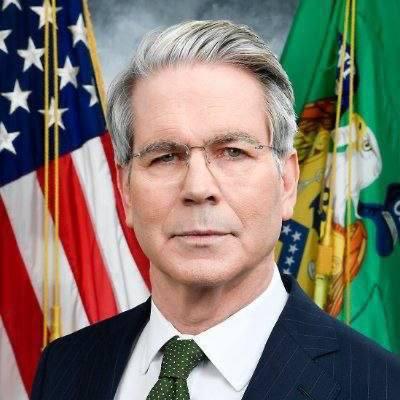
Treasury Secretary Scott Bessent said the United States and China have agreed to extend their Busan trade truce until Jan. 10. The move keeps the current pause in bilateral trade tensions in place beyond the truce's previous end date.
Why it matters
The extension reduces the immediate risk of a fresh US-China trade escalation and gives negotiators more time to maintain the arrangement. For investors, the development strengthens the near-term risk-on macro backdrop by removing a scheduled point of uncertainty.
Market impact
Markets will likely focus on whether the extension leads to a more durable trade framework or simply delays another deadline. Until Jan. 10, changes in US-China rhetoric and any follow-up from Treasury officials remain key signals for global risk assets.
Frequently asked questions
-
When will the extended US-China trade truce end?
The extended Busan trade truce is set to remain in place until Jan. 10, according to Treasury Secretary Scott Bessent.
-
What does the trade truce extension change for markets?
It removes an immediate deadline for renewed US-China trade escalation and supports a more constructive near-term risk-on backdrop.
-
Who announced the US-China truce extension?
Treasury Secretary Scott Bessent said the United States and China agreed to extend the arrangement.
-
Does the extension create a permanent US-China trade deal?
No permanent framework was announced. The extension keeps the current pause in place while leaving markets to assess whether further talks produce a durable agreement.
-
What should investors watch before Jan. 10?
Investors should watch US-China rhetoric and any follow-up from Treasury officials for signs that the truce is becoming a lasting framework or merely delaying renewed friction.

 CryptoSlate
 WatcherGuru
 WuBlockchain
 CoinDesk