


 CryptoSlate
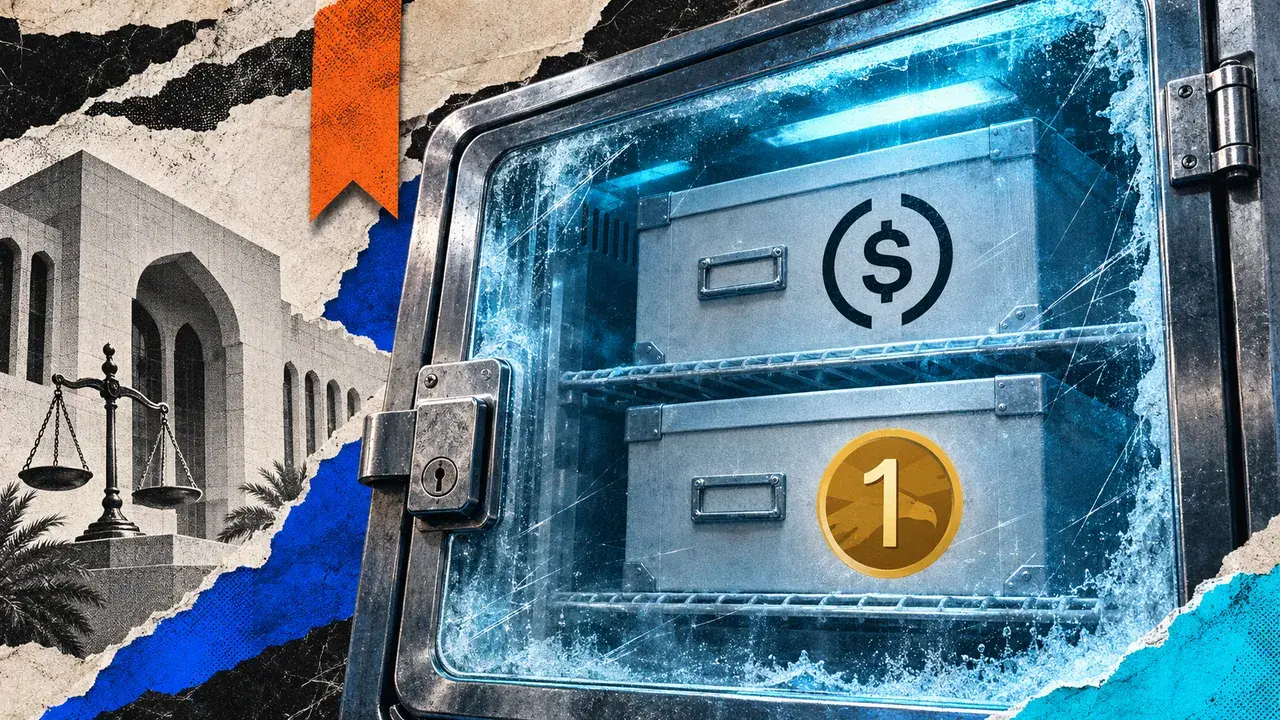

An Abu Dhabi court has ordered Circle and 17 other companies to keep tokens linked to Binance's Oct. 29 theft frozen while the exchange seeks to recover them. Binance estimated that $6.3 billion in digital assets were affected and $2.85 billion was frozen or intercepted, subject to reconciliation and market prices. A Dec. 1 hearing will consider whether the injunction should continue and on what terms.
Why it matters
Binance said some issuers, exchanges and other partners require a court order before releasing or transferring assets they have frozen. The Abu Dhabi Global Market Courts order helps open that route, although Binance gave no details of any transfer under it.
The named firms include Circle, issuer of USDC, and World Liberty Financial, the Trump-linked company behind USD1. They must maintain the freezes and cannot lend, swap or mix the affected tokens with other assets. The court did not accuse the firms of wrongdoing.
Tether is not among the 18 firms covered by the order. It said it froze more than $1.5 billion tied to the theft and would work separately with Binance and relevant authorities on reissuing the frozen USDT.
Market impact
The order adds a legal mechanism to Binance's recovery effort, but does not establish how much the exchange will ultimately recover. A transfer also depends on whether a firm has authority to release the specific balances it froze.
Separately, the US Justice Department said it obtained court authority to seize or restrain more than $1.2 billion in stolen crypto, part of more than $2.7 billion that US authorities and private firms had helped freeze. The disclosures do not establish how much the figures overlap. Binance says it absorbed the financial impact on customers.


Frequently asked questions
-
Which firms must maintain the court-ordered freezes?
The order covers 18 firms, including Circle, which issues USDC, and World Liberty Financial, the company behind USD1. The court did not accuse them of wrongdoing.
-
What will the Dec. 1 hearing decide?
The hearing will consider whether the injunction should remain in place and on what terms.
-
Why does Binance need a court order to pursue frozen assets?
Binance says some issuers, exchanges and other partners require a court order before releasing or transferring assets they have frozen.
-
Is Tether covered by the Abu Dhabi order?
No. Tether says it froze more than $1.5 billion tied to the theft and will work separately with Binance and relevant authorities on reissuing frozen USDT.
-
How much of the stolen crypto can Binance recover?
The disclosures do not establish how much Binance will ultimately recover or how much the reported frozen and intercepted amounts overlap.
 WatcherGuru
 CoinTelegraph
 CoinDesk
 TheBlock
 Crypto News