








 WatcherGuru
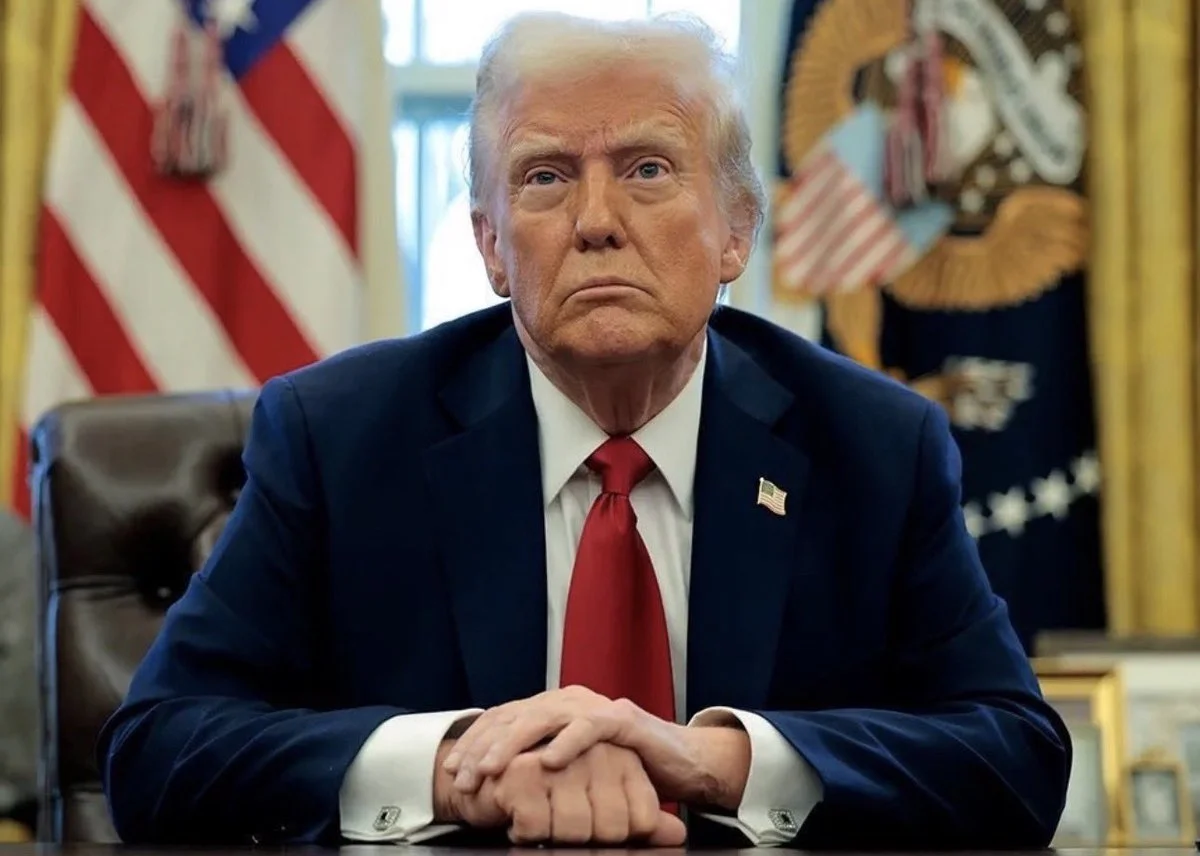

The US Supreme Court on Tuesday blocked President Donald Trump from removing Federal Reserve Governor Lisa Cook, a landmark ruling that protects the central bank's statutory independence and halts a White House effort to test the limits of presidential authority over monetary policy.
The decision leaves Cook in her seat on the Federal Reserve Board of Governors, where she has served since 2022, and signals that the Court will not lightly read the Federal Reserve Act's "for cause" removal protection as a narrow exception the president can bypass at will.
Why it matters
The case is the first time the Supreme Court has weighed in on whether a sitting president can fire a Federal Reserve governor. The Fed's independence from short-term political pressure is a structural feature of US monetary policy, and a ruling the other way would have given the White House a credible new lever to influence rate-setting, balance-sheet decisions, and regulatory posture toward the biggest US banks. Legal scholars across the spectrum had flagged the case as the most consequential test of central-bank autonomy since the Fed's 1913 founding.
Market impact
Front-end Treasury yields dipped and the dollar softened in immediate reaction as traders reduced the implied probability of a White House-driven policy push. Crypto and rate-sensitive equities had priced in some scenario where the administration could steer the Fed's reaction function; the Court's blocking order takes that tail risk off the table for now. Watch the September FOMC meeting: with Cook's vote intact, the committee's composition is unchanged, and the next data prints on inflation and the labour market will do the work the political fight threatened to short-circuit.

Frequently asked questions
-
What did the Supreme Court rule on Lisa Cook?
The Court blocked President Trump from removing Federal Reserve Governor Lisa Cook, leaving her in her seat on the Board of Governors and protecting the Fed's statutory independence.
-
Why is this ruling significant for the Federal Reserve?
It is the first time the Supreme Court has weighed in on whether a sitting president can fire a Fed governor, testing the "for cause" removal protection in the Federal Reserve Act.
-
How did markets react to the ruling?
Front-end Treasury yields dipped and the dollar softened as traders cut the implied probability of a White House-driven policy push. Rate-sensitive assets and crypto saw tail risk around Fed independence reduced.
-
What is the "for cause" removal protection in the Federal Reserve Act?
It is the statutory language that allows a president to remove Fed governors only for specific stated reasons, a protection designed to insulate the central bank from short-term political pressure.
-
What to watch next for the Fed?
The September FOMC meeting, with Cook's vote intact, will be driven by incoming inflation and labour market data rather than political pressure from the White House.
 CoinTelegraph
 CryptoSlate
 Lookonchain
 Crypto News
 WuBlockchain