








 CoinDesk
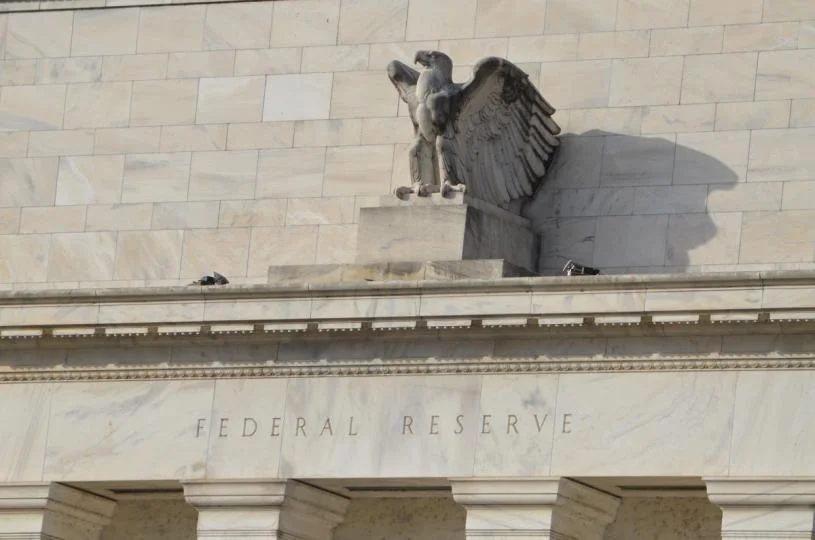



Bitcoin climbed to near $64,800 on Wednesday, its best session in weeks, after U.S. June inflation cooled more than economists expected and traders abandoned bets the Federal Reserve would raise rates this month. Headline CPI fell to 3.5% from 4.2% and core inflation, which strips out food and energy, eased to 2.6% from 2.9%, with cooling in the core measure lifting cryptocurrencies and global equities as capital rotated back into risk assets.
Implied odds of a near-term rate hike collapsed from 43% to 13% after the release, and the two-year Treasury yield dropped six basis points. Bitcoin rose 3.6% over 24 hours and is up 3.3% on the week, with roughly $31 billion changing hands. Ether was the day's standout at nearly $1,880, up 5.3%, while Hyperliquid's HYPE gained 6.4% to $67, XRP added 3.7% to $1.10, Solana rose 3.6% to $78, dogecoin climbed 2.9% and BNB added 1.9% to $579.
Why it matters
Higher rates hurt bitcoin and risk assets because, when the Fed raises, cash and short-dated Treasuries start paying a meaningful guaranteed return, eroding the relative appeal of an asset that pays no yield and swings 5% in a session. A cooler print weakens that pull and lets capital flow the other way. June CEX activity underscored the rotation: spot volumes rose 15.3% to $1.11 trillion and RWA perpetual volumes hit a record $311 billion, the first monthly rise in five.
Market impact
"Bitcoin remains a rate-sensitive risk asset rather than a macro hedge," said Jeff Ko, chief analyst at CoinEx, who framed the print as reducing "immediate downside pressure without building a durable breakout." Core inflation at 2.6% is still above the Fed's 2% target, so the data buys the central bank room to hold rather than reason to cut. Ko pointed to the September FOMC meeting as the next real macro test, alongside the dollar's direction and whether spot bitcoin ETF flows can sustain themselves. Brent crude also advanced 1% above $85 a barrel, a third straight session of gains, after President Trump threatened further strikes on Iran and the U.S. resumed its blockade of Iranian shipping through the Strait of Hormuz.





Frequently asked questions
-
What did the June U.S. CPI print show?
Headline inflation fell to 3.5% from 4.2% and core inflation eased to 2.6% from 2.9%. Cooling in the core measure meant the relief was not just cheaper energy, lifting cryptocurrencies and global equities as traders rotated back into risk assets.
-
How did Fed rate-hike odds change after the CPI release?
Implied odds of a near-term rate hike collapsed from 43% to 13% after the print, and the two-year Treasury yield dropped six basis points. The data took the strongest argument for another hike off the table.
-
How did bitcoin and other major cryptocurrencies react?
Bitcoin rose 3.6% over 24 hours to near $64,800 and was up 3.3% on the week, with roughly $31 billion in volume. Ether led at nearly $1,880, up 5.3%, while HYPE gained 6.4%, XRP added 3.7%, Solana rose 3.6%, dogecoin climbed 2.9% and BNB added 1.9%.
-
Is bitcoin a macro hedge or a rate-sensitive risk asset?
CoinEx chief analyst Jeff Ko framed bitcoin as a rate-sensitive risk asset rather than a macro hedge. He said the June print reduces immediate downside pressure but does not build a durable breakout, with core still above the Fed's 2% target.
-
What is the next major catalyst for bitcoin?
Analysts pointed to the September FOMC meeting as the next real macro test, alongside the direction of the U.S. dollar and whether spot bitcoin ETF flows can sustain themselves. Core inflation at 2.6% buys the Fed room to hold, not reason to cut.
 CoinTelegraph
 WatcherGuru
 CryptoSlate
 Crypto News
 WuBlockchain
 Crypto Rank News