








 CoinDesk


Stablecoin infrastructure firm Brale introduced ION Protocol, an interoperability system that lets participating stablecoins move across blockchains by burning tokens on one chain and minting an equivalent amount on another. The debut comes as the stablecoin market expands past $300 billion in market capitalization across more than 350 tracked tokens, with banks, fintechs and asset managers increasingly issuing their own branded coins.
Unlike most cross-chain bridges that rely on pre-funded liquidity pools or wrapped tokens, ION removes the requirement to lock capital across every supported network. The protocol extends a burn-and-mint approach similar to Circle's Cross-Chain Transfer Protocol (CCTP), but opens the model to any participating stablecoin issuer rather than a single token. Brale already supports more than 100 stablecoin programs across more than 30 blockchains, and ION is launching on testnet with partners including Monad, Rain, Coinflow, Turnkey, Etherfuse, Spark and Canton.
Why it matters
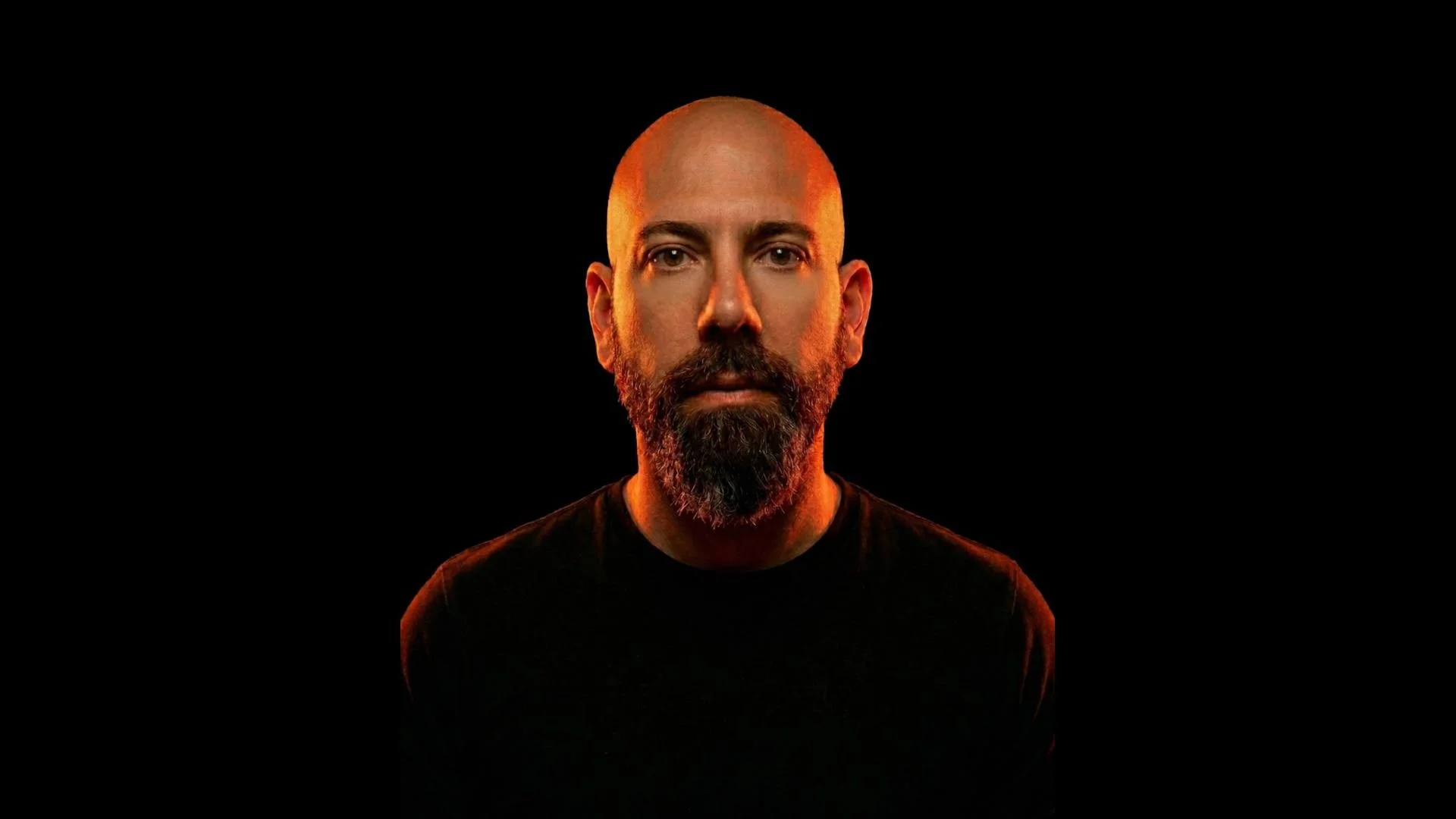
Brale founder and CEO Ben Milne framed the liquidity question as the defining constraint on the next wave of bespoke stablecoins. "The liquidity between stablecoin programs is the No. 1 barrier to scaling bespoke stablecoins," Milne said in an interview. "There's not enough capital in the world to solve the problem." His argument is that as the number of issuers and chains grows, pre-funded pools scale linearly with both, eventually outrunning available capital even before deeper issues like fragmentation set in.
Market impact
The structural read matters more than any single protocol launch. If ION-style burn-and-mint interoperability works for third-party issuers, the marginal cost of launching a new branded stablecoin drops sharply: a bank or fintech no longer has to seed liquidity on every chain it wants to reach. That shifts the competitive question from who can afford to pre-fund the most pools to who can attract the most issuers onto a shared standard.
Frequently asked questions
-
What is ION Protocol and how does it differ from existing stablecoin bridges?
ION Protocol is Brale's interoperability system that lets participating stablecoins move across blockchains via a burn-and-mint model. Unlike most bridges that rely on pre-funded liquidity pools or wrapped tokens, ION does not require capital to be locked on every supported chain.
-
Why does Brale say cross-chain liquidity is the main bottleneck for stablecoin growth?
Founder and CEO Ben Milne argued that pre-funded pools scale linearly with both the number of issuers and chains, and that "there is not enough capital in the world to solve the problem." As more banks, fintechs and asset managers issue their own tokens, the capital required to keep every pool deep becomes…
-
How is ION different from Circle's Cross-Chain Transfer Protocol (CCTP)?
CCTP uses a burn-and-mint approach but is limited to USDC. ION extends the same model to any participating stablecoin issuer, aiming to standardize burn-and-mint interoperability across the broader market rather than tying it to a single token.
-
Which partners are joining ION at launch?
ION is debuting on testnet with partners including Monad, Rain, Coinflow, Turnkey, Etherfuse, Spark and Canton, spanning L1 infrastructure, payments and tokenization use cases, ahead of a broader rollout.
-
How large is the stablecoin market that ION is targeting?
The stablecoin market has crossed $300 billion in market capitalization with more than 350 tokens tracked by CoinGecko, dominated by Tether's USDT and Circle's USDC, with banks, fintechs and asset managers increasingly issuing branded tokens for payments, settlements and tokenized assets.
 TheBlock
 WuBlockchain
 Crypto Rank News
 CryptoSlate
 Lookonchain