








 CoinDesk
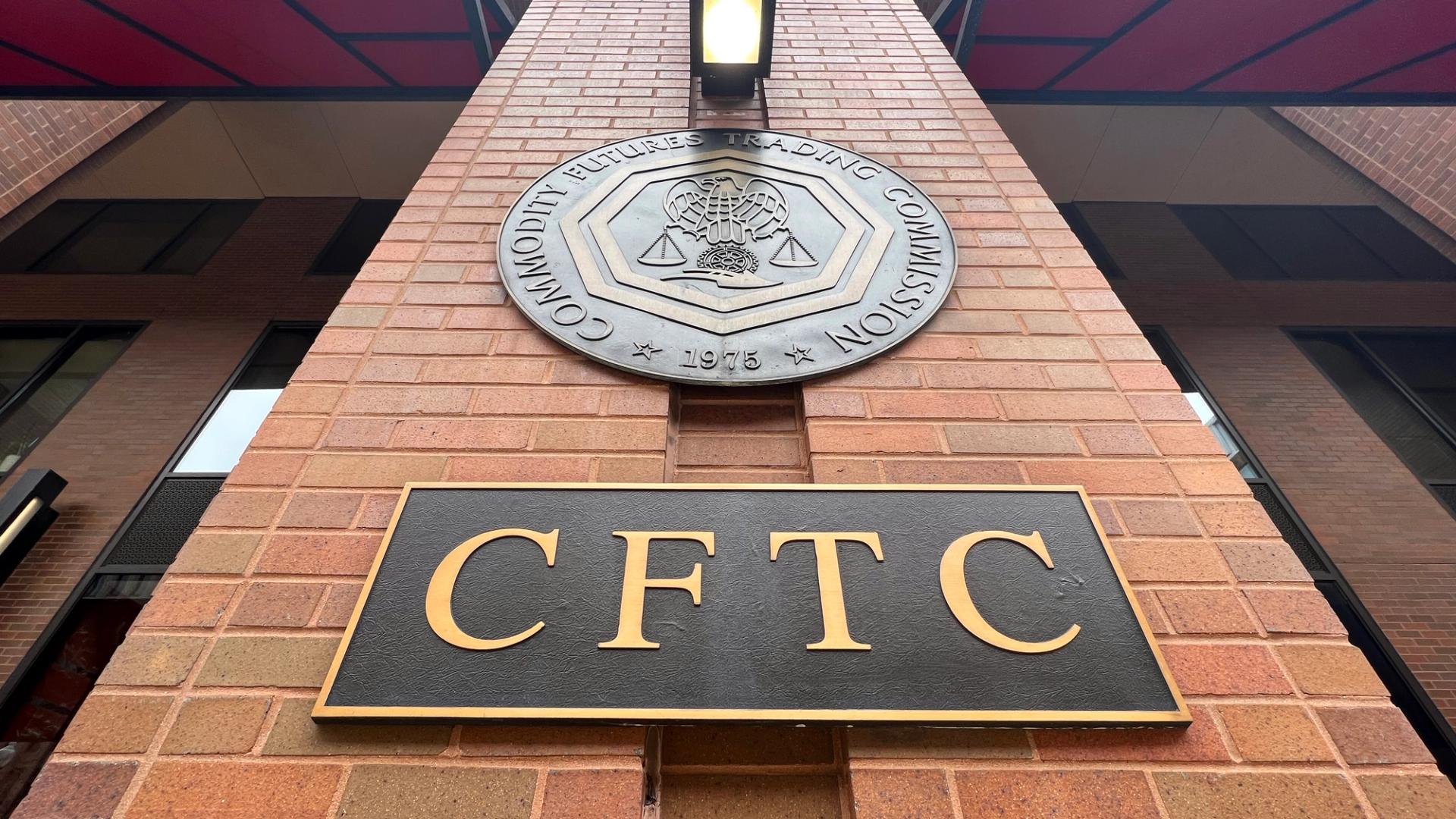



The Commodity Futures Trading Commission issued a staff advisory on Tuesday flagging "mention markets," the popular prediction contracts that bet on what a named individual will say or do, as "presumptively readily susceptible to manipulation." The advisory applies to platforms such as Kalshi and Polymarket and warns that, unlike conventional markets, the outcome pivots on the discrete conduct of one person, which may be neither independently generated nor externally verifiable.
The agency is not banning the category outright. Instead, it suggested a high bar: platform operators may only list derivative contracts that are not readily susceptible to manipulation, and the advisory laid out factors that could support a well-designed contract, including external costs that make it prohibitively hard for the individual to game the market, a formal public setting involving a public person, immunity from public pressure, and close monitoring for manipulation. Kalshi's live market on what President Donald Trump will say at the United Nations is exactly the kind of contract now facing tighter scrutiny.
Why it matters
The advisory narrows the window on event contracts that can clear the CFTC's supervisory hurdles and puts the burden on platforms to justify mention markets in their regulatory filings, with "independent verifiability and substantial public scrutiny" named as essential attributes.
The concern is not theoretical. The CFTC recently penalized a former White House teleprompter operator for Trump who bet on what he knew the president planned to say, and Kalshi issued a lifetime ban on former US Representative George Santos over accusations he wagered on his own State of the Union speech appearance.
Market impact
Prediction platforms will need to redesign or retire contracts that hinge on one person's conduct, or argue convincingly that gaming them is too costly. Expect tighter listing standards and closer Division of Market Oversight review across the sector, with platforms likely shifting volume toward externally verifiable event contracts.
Frequently asked questions
-
What are "mention markets" on prediction platforms?
They are prediction contracts that let users bet on what a specific named individual will say or do, such as what President Trump will say at the United Nations. Platforms like Kalshi and Polymarket host them.
-
Why does the CFTC consider mention markets prone to manipulation?
Unlike markets with independently generated, externally verifiable outcomes, a mention market pivots on the discrete conduct of one person. That individual or people around them could shift the outcome using their own knowledge of the betting.
-
Is the CFTC banning mention markets?
No. The advisory does not ban the category, but it sets a high bar, stating platforms may only list contracts not readily susceptible to manipulation and outlining factors that could support a well-designed contract.
-
What factors could make a mention market acceptable to the CFTC?
External factors making it hard or costly for the individual to game the market, a focus not influenced by public pressures, a formal public setting involving a public person, and close monitoring for manipulation.
-
Have people actually been punished for manipulating these markets?
Yes. The CFTC penalized a former White House teleprompter operator for Trump who bet on what he knew the president planned to say, and Kalshi issued a lifetime ban on former Representative George Santos over accused wagers on his own State of the Union appearance.
 CoinTelegraph
 TheBlock
 CryptoSlate
 WuBlockchain