


 CoinDesk
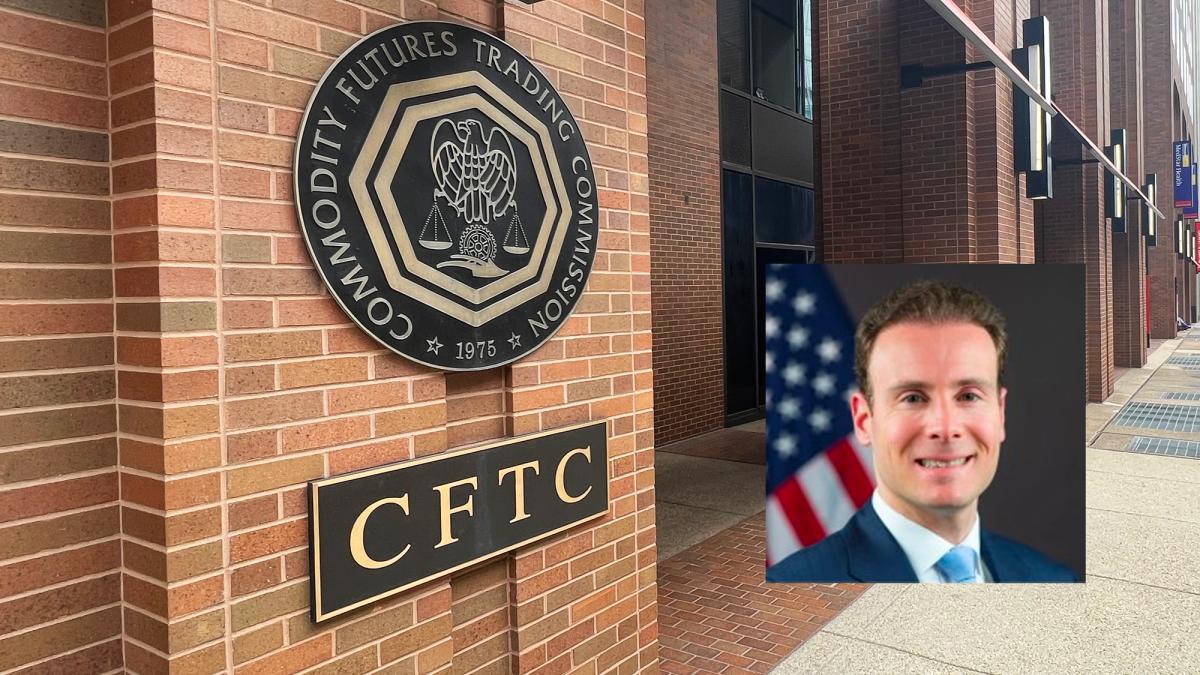



The Commodity Futures Trading Commission has filed a federal lawsuit challenging Utah’s effort to stop Kalshi from offering event contracts to residents. Utah’s constitution bans gambling, and Attorney General Derek Brown has argued that Kalshi is operating an online casino. The CFTC says federal authority over derivatives preempts the state’s enforcement action.
The Utah case adds to more than a dozen legal actions the agency has pursued as Chairman Mike Selig defends the CFTC’s position as the sole regulator of prediction markets. The agency is currently fighting 10 states while also seeking to preserve Kalshi’s access to markets where state officials classify event contracts as gambling.
Why it matters
The dispute is becoming a direct test of the boundary between federal derivatives oversight and state gambling law. Three federal appellate courts have issued two decisions favoring states and one decision favoring Kalshi. A federal district judge in Utah has also sided with the state, although that case is under appeal.
Selig said event contracts serve more than hedging and investment purposes because they can provide information about future events. Utah’s attorney general has taken the opposite view, saying no Utah law authorizes the offerings and warning that anyone providing gambling to residents is on notice that it is illegal.
Market impact
The litigation could determine whether prediction-market firms can rely on federal registration and derivatives rules to operate across state lines, or whether states can block contracts they view as gambling. The outcome matters for Kalshi and other event-contract platforms that depend on consistent national access.
The legal split has also drawn senior former policymakers into the case. Former CFTC chairman Gary Gensler told the U.S. Supreme Court that the Dodd-Frank Act did not transfer jurisdiction over sports betting from the states to the CFTC. Former Senator Chris Dodd, one of the law’s authors, filed a brief supporting the state position.
Frequently asked questions
-
Why is the CFTC challenging Utah’s action against Kalshi?
The CFTC argues that federal derivatives authority preempts Utah’s effort to restrict Kalshi’s event contracts. The agency says it is the sole regulator of prediction markets.
-
Why does Utah consider Kalshi’s offerings illegal?
Utah’s constitution bans gambling, and Attorney General Derek Brown says Kalshi is operating an online casino. He argues that no Utah law authorizes the offerings.
-
How widespread is the CFTC’s legal fight with states?
The CFTC is currently fighting 10 states and has pursued more than a dozen legal actions tied to its authority over prediction markets.
-
What have federal appellate courts ruled about prediction markets?
Three federal appellate courts have issued two decisions favoring states and one decision favoring Kalshi. A Utah federal district judge has also sided with the state, although that case is under appeal.
-
Why are Gary Gensler and Chris Dodd opposing the CFTC’s position?
Gensler and Dodd argue that the Dodd-Frank Act did not transfer jurisdiction over sports betting from the states to the CFTC. Both have filed briefs supporting the state view.
 TheBlock
 CryptoSlate
 WatcherGuru
 CoinTelegraph
 WuBlockchain