








 CoinDesk
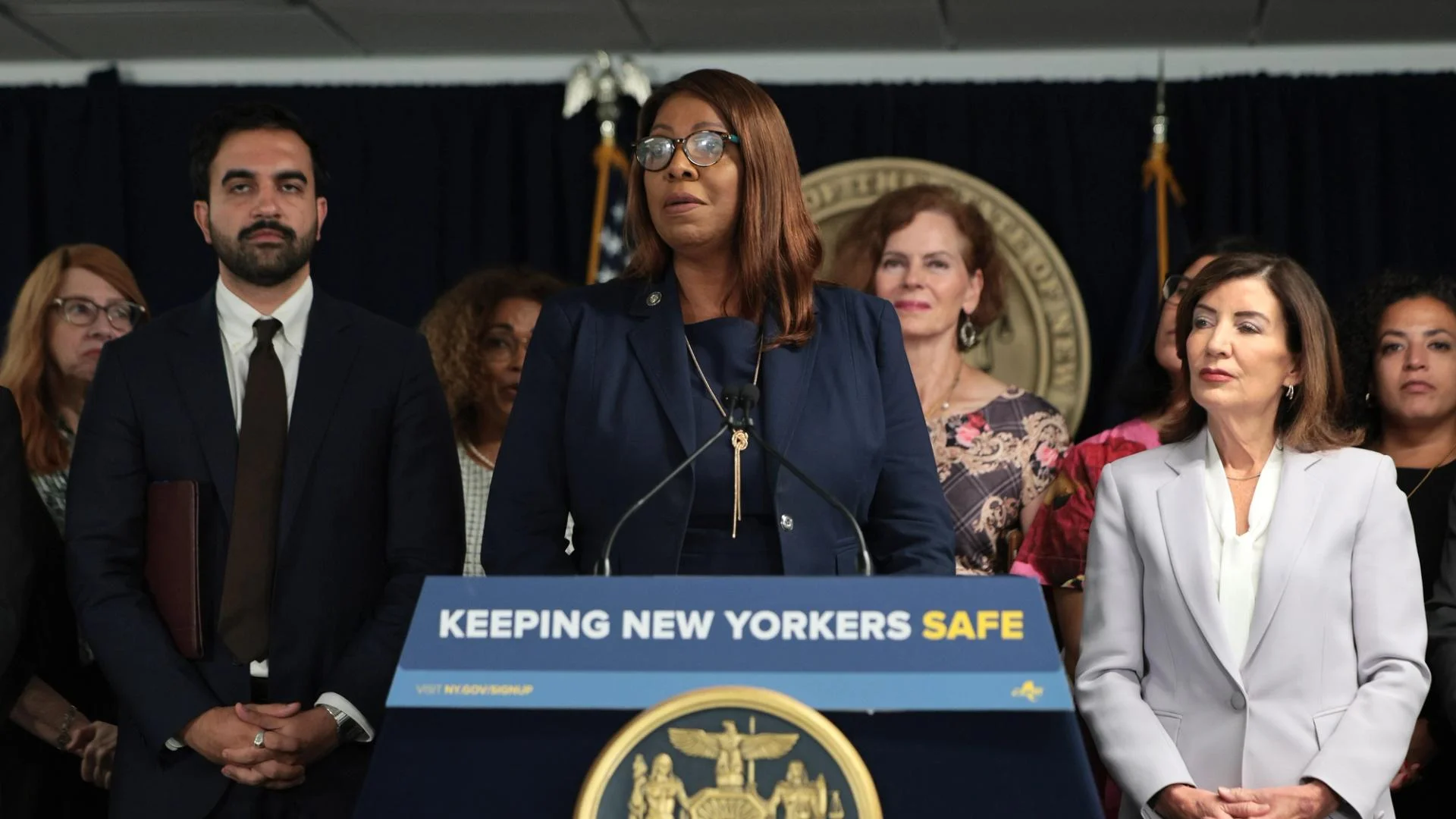


A bipartisan group of 18 state attorneys general on Monday urged the U.S. Senate to vote down the Digital Asset Market Clarity Act, warning that the bill's language would strip states of their power to prosecute online crypto scams. The letter, signed by lead prosecutors from New York, Arizona, Connecticut, California, Kansas, Ohio and a dozen other states plus the District of Columbia, says recent drafts reserve "ambiguous" state fraud powers that defendants could exploit to block enforcement.
Why it matters
The bipartisan nature of the coalition is the political signal. Kris Kobach of Kansas and Andy Wilson of Ohio signed alongside New York's Letitia James and California's Rob Bonta, a rare left-right alignment on financial legislation. The AGs cite the FBI's finding that $11.4 billion was stolen from investors last year through crypto, the kind of voter-facing number that gives state prosecutors political cover the Senate cannot dismiss easily.
The AGs' core legal complaint targets the bill's "qualified transaction" definition, which they say would let the U.S. Securities and Exchange Commission preempt state securities and commodities authority over digital asset transactions. Opposition is stacking up around the bill from other corners as well: the Indian Gaming Association called the CFTC authority expansion "the greatest threat to tribal sovereignty in a generation," and the Independent Bankers Association of Texas said revised stablecoin yield language published Monday was "a joke" and "a meaningless nothing."
Market impact
For the Clarity Act, the coalition hands Senate leadership a new reason to slow-walk the bill or rewrite the preemption clause before any floor vote. Senator Cynthia Lummis, one of the bill's chief sponsors, pushed back Monday in a post on X, saying IGA Chair David Bean had not "express[ed] opposition" to the language when the two met in June.
The broader crypto market read is more cautious than panicked. A bill that cleared the House in 2025 with bipartisan support is now picking up coordinated opposition from state-level enforcers and a tribal gaming lobby, both of which carry weight in an election-year Senate.
Frequently asked questions
-
Why are state attorneys general opposing the Clarity Act?
They argue the bill's "qualified transaction" definition would let the SEC preempt state authority to prosecute online crypto fraud under existing securities and commodities laws, leaving ambiguous carve-outs that defendants could exploit.
-
How many state AGs signed the letter and which states did they represent?
Eighteen attorneys general signed, including lead prosecutors from New York, California, Arizona, Connecticut, Kansas, Ohio, plus a dozen other states and the District of Columbia.
-
What evidence did the AGs cite to support their opposition?
The AGs cited FBI data showing $11.4 billion was stolen from investors last year through crypto scams, framing preserved state fraud authority as a consumer-protection necessity.
-
Which other groups have come out against the Clarity Act?
The Indian Gaming Association has opposed the bill over CFTC authority expansion, calling it "the greatest threat to tribal sovereignty in a generation," and the Independent Bankers Association of Texas criticized the revised stablecoin yield language.
-
How has Senator Cynthia Lummis responded to the opposition?
Lummis, one of the bill's chief sponsors, posted on X that she met with IGA Chair David Bean in June and said he had not "express[ed] opposition" to the language at the time.
 CoinTelegraph
 WuBlockchain
 CryptoSlate
 WatcherGuru