








 CoinDesk
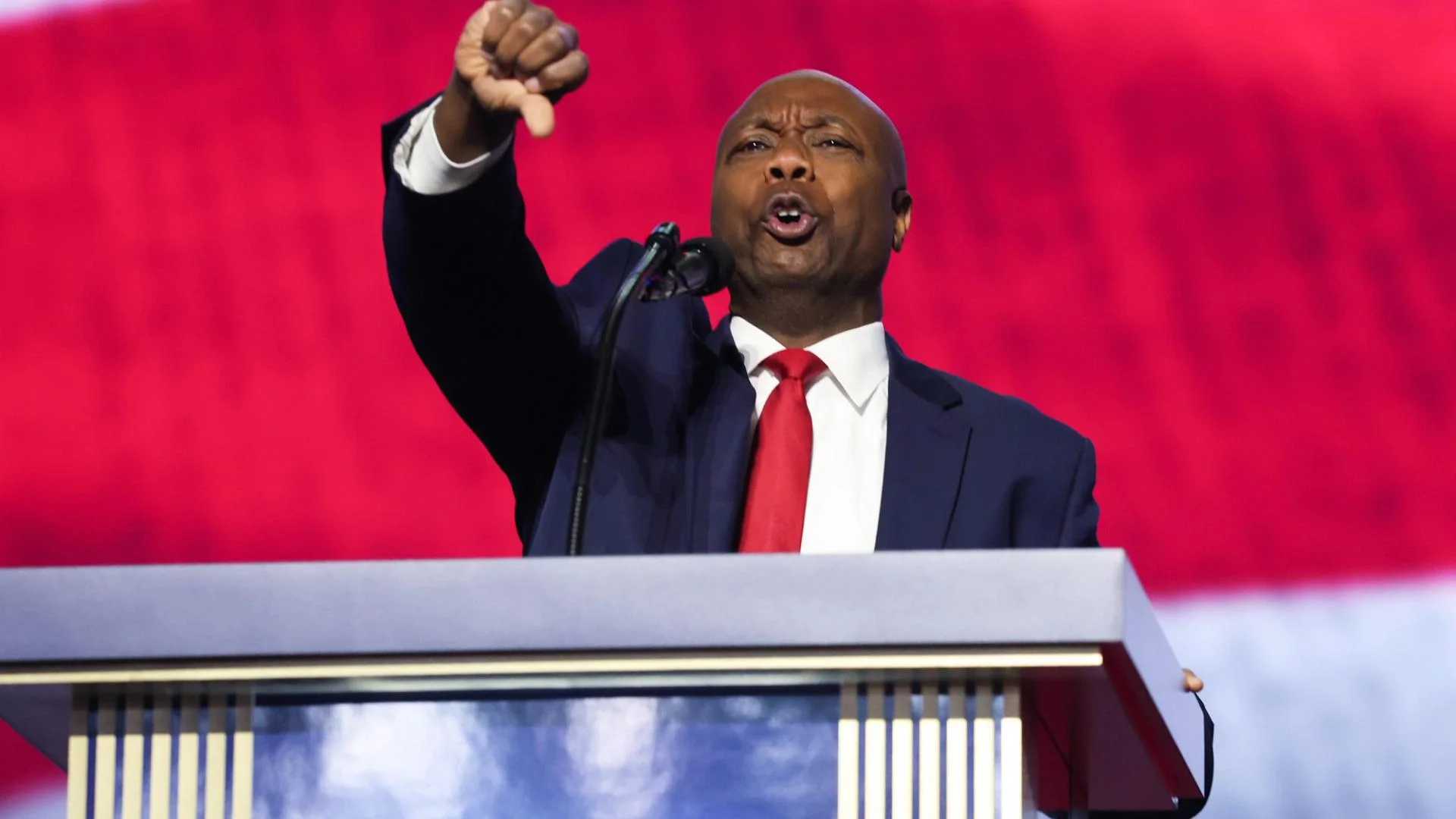



No Senate Democrat voted to advance the Clarity Act last week, according to Sen. Tim Scott, who says the bill would have set rules for digital assets and clarified which agencies oversee the businesses serving customers. The Republican senator said negotiations lasted more than a year and incorporated over 120 changes requested by Democrats, but the legislation did not move forward.
Why it matters
The bill's failure leaves unresolved questions about which rules apply to digital-asset businesses and which agency is responsible. Scott argues that regulatory clarity could help lower transaction costs and give entrepreneurs more certainty, while guardrails would help protect customers and investors. Those are his arguments for the legislation, not outcomes established by the Senate vote.
Scott said the proposal included expanded ethics provisions, a role for state attorneys general in enforcement and additional money-laundering tools for law enforcement. He also said at least 12 Senate Democrats had voiced support for reaching a deal, though none voted to advance the bill.
Market impact
The immediate consequence is continued uncertainty for digital-asset businesses as Congress's work stalls. Scott called on the SEC and CFTC to establish clearer rules while lawmakers continue working on legislation. Their approach could shape how companies operate and serve customers in the interim, but the column does not detail specific agency actions or market moves.
Frequently asked questions
-
What would the Clarity Act have changed for digital-asset businesses?
The bill would have established rules for digital assets and clarified which agencies oversee businesses serving customers.
-
How many changes did Scott say Democrats requested?
Scott said the final proposal included over 120 changes requested by Democrats.
-
What enforcement provisions did Scott cite in the proposal?
He cited a meaningful role for state attorneys general and additional money-laundering tools for law enforcement.
-
What regulatory uncertainty remains after the bill stalled?
Businesses still face questions about which rules apply to them and which agency is responsible for oversight.
-
What did Scott ask the SEC and CFTC to do?
Scott called on the SEC and CFTC to set clearer rules for digital assets while Congress continues its work.
 Crypto News
 WatcherGuru
 CoinTelegraph
 Altcoin Daily