








 CoinDesk
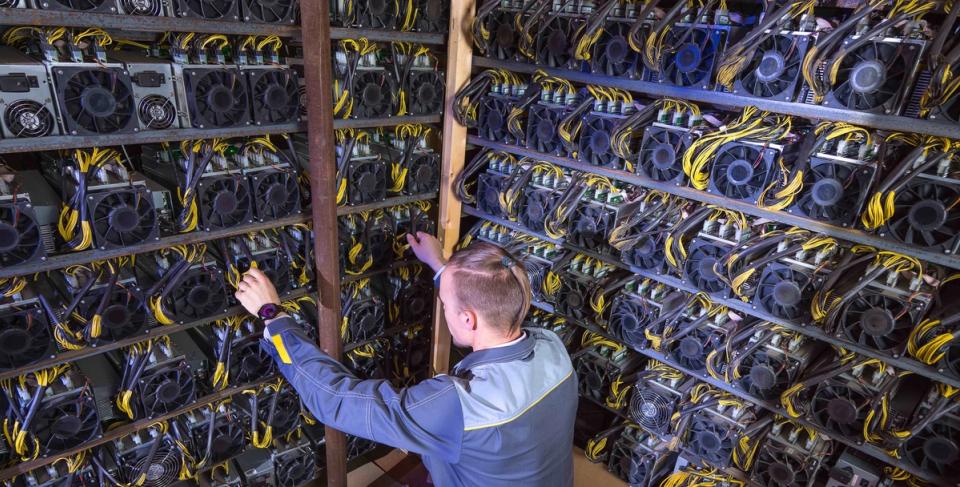


CleanSpark (CLSK) dropped more than 9% in pre-market trading on Tuesday after the US Bitcoin miner posted a net loss of $378.3 million for its fiscal second quarter ending March 31 — nearly triple the $138.8 million loss booked a year earlier and well below the analyst consensus of a 41-cent EPS loss, with the company reporting $1.52 lost per share. Quarterly revenue fell 25% year-over-year to $136.4 million, missing the $154.3 million estimate, as a $224.1 million non-cash Bitcoin fair value loss did most of the damage to the bottom line.
Why it matters
The miss is not idiosyncratic — it's the cost-of-production squeeze playing out across the sector. The average cost to mine one BTC sat around $88,000 in mid-March per Checkonchain's difficulty regression model, while Bitcoin has been hovering just above $80,000. That gap means public miners are effectively selling below cash cost, and GAAP fair-value marks amplify the optics on top of the operating pain. CleanSpark doubled megawatts under contract during the quarter even as revenue compressed, signalling it is still investing for a higher post-halving hashprice rather than throttling back.
Market impact
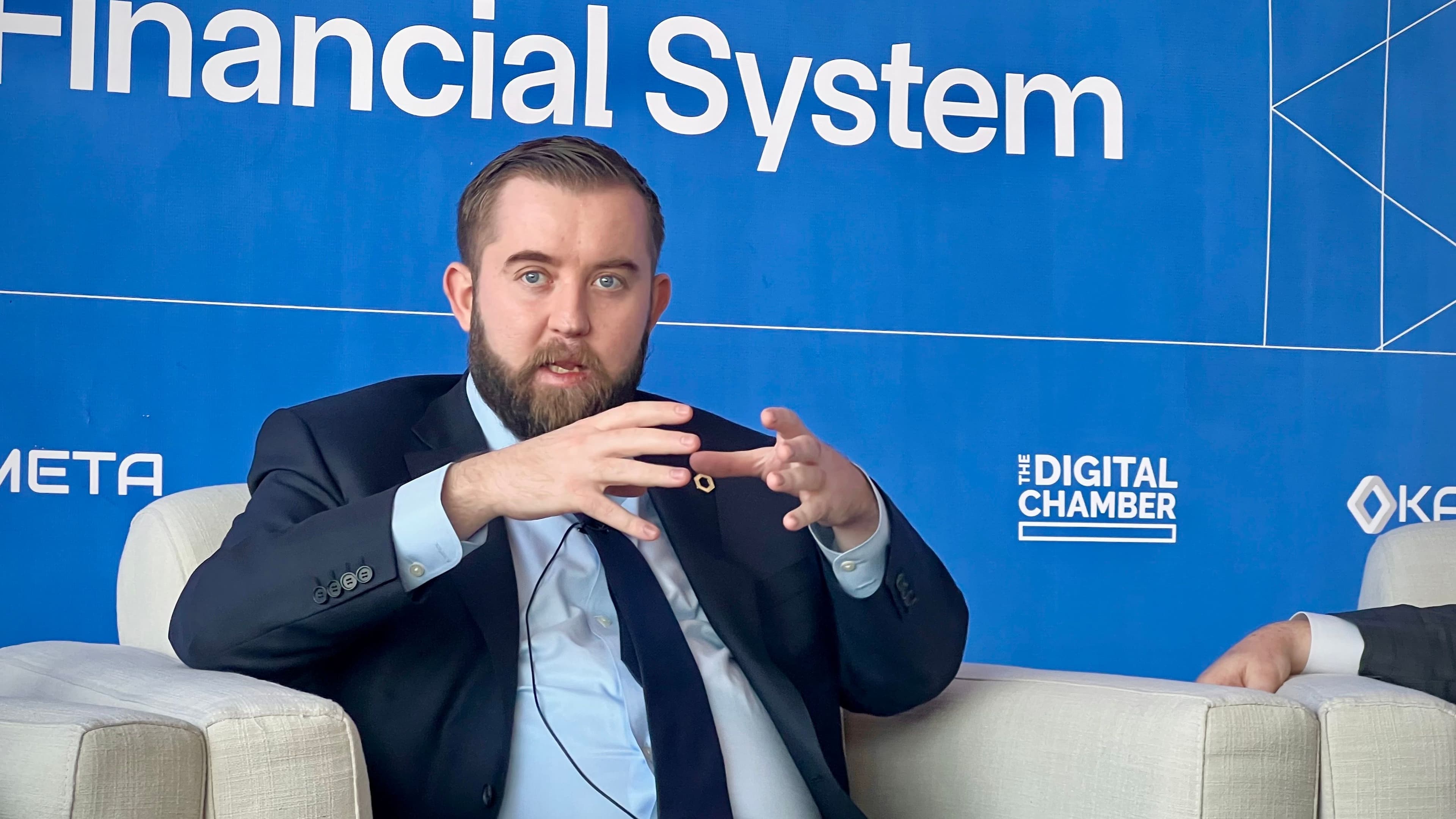
Management's response is the AI/HPC pivot. CEO Matt Schutz framed the quarter around commercializing "AI/HPC-applicable assets," and CFO Gary Vecchiarelly leaned on the balance sheet — Bitcoin holdings up 14% to $925.2 million, total cash $260.3 million, total assets $2.9 billion against $1.8 billion in long-term debt — to argue CleanSpark can fund the transition. That mirrors a broader move: industry-wide, Bitcoin miners had signed roughly $70 billion in AI/HPC contracts by late March as the only credible path to margin expansion while BTC trades below mining cost. Watch whether peer miners accelerate similar disclosures next quarter; the $925 million BTC treasury and contracted power capacity are CleanSpark's negotiating chips in that lease-out race.

Frequently asked questions
-
Why did CleanSpark stock drop after its latest quarterly earnings?
CLSK fell more than 9% pre-market after reporting a $378.3 million net loss for the fiscal second quarter, far worse than the 41-cent EPS loss analysts had estimated, with revenue down 25% year-over-year to $136.4 million.
-
What drove CleanSpark's $378.3 million quarterly net loss?
A $224.1 million non-cash Bitcoin fair-value loss did most of the damage, reflecting mark-to-market moves on the firm's BTC holdings while Bitcoin traded near or below the industry's average mining cost.
-
How much does it cost to mine one Bitcoin right now?
Checkonchain's mid-March difficulty regression model put the average cost to mine one BTC around $88,000, while Bitcoin has been hovering just above $80,000 — a gap that puts public miners effectively below cash cost.
-
How is CleanSpark responding to the mining cost squeeze?
CEO Matt Schutz said the firm is commercializing AI/HPC-applicable assets after doubling megawatts under contract, joining an industry-wide pivot in which Bitcoin miners had signed roughly $70 billion in AI/HPC compute contracts by late March.
-
What does CleanSpark's balance sheet look like after the quarter?
Bitcoin holdings rose 14% year-over-year to $925.2 million, total cash sits at $260.3 million, total assets at $2.9 billion, and long-term debt at $1.8 billion — the treasury and contracted power are the chips management is leaning on for the AI/HPC pivot.
 CryptoSlate
 Glassnode
 WatcherGuru
 WuBlockchain
 CoinTelegraph
 TheBlock