








 CoinDesk
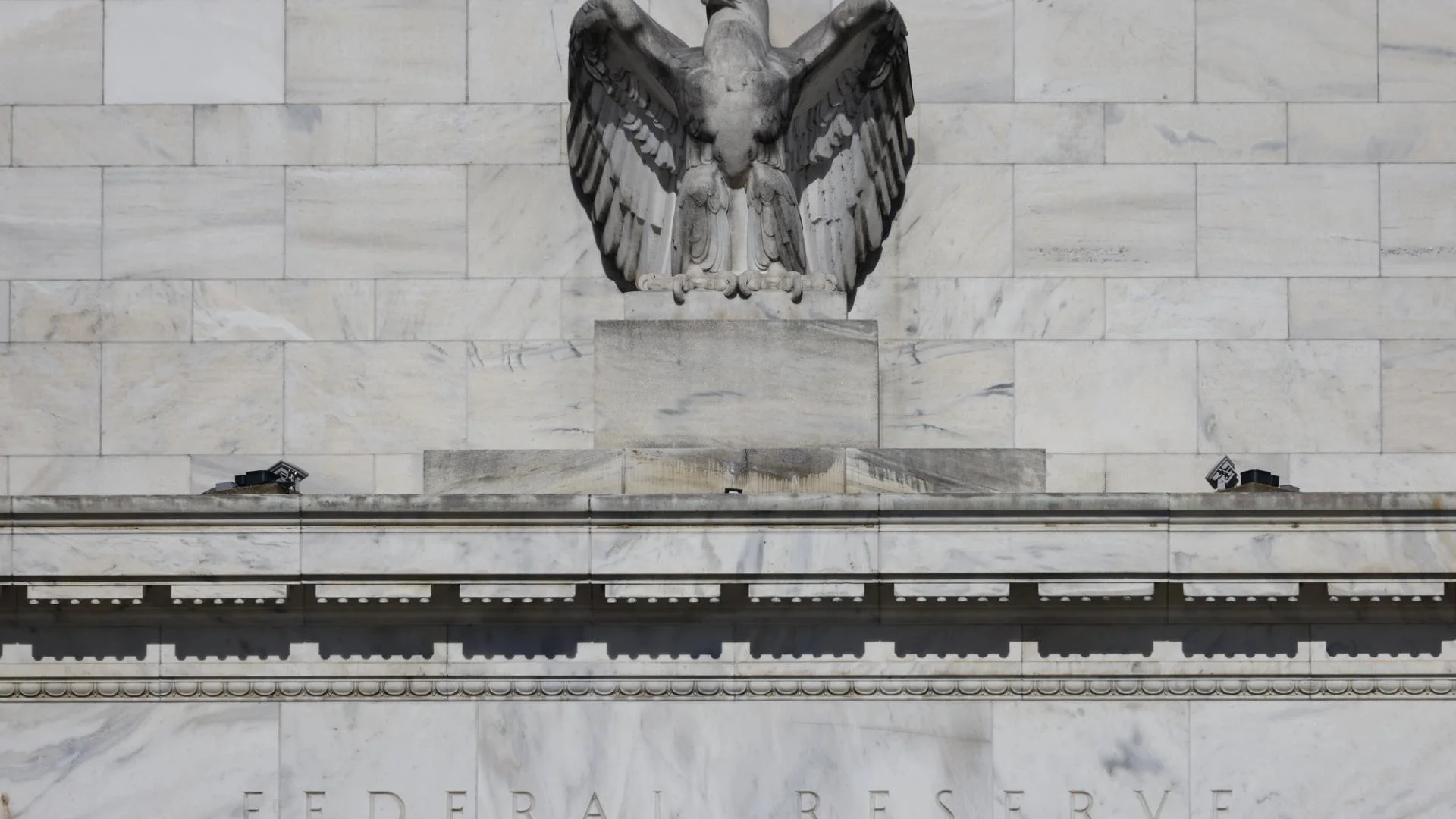



Anchorage Digital's Head of Global Operations Rachel Anderika, a former OCC national bank examiner, is pushing back on the Federal Reserve's proposed "skinny" payment account, arguing it stops far short of giving federally chartered digital asset banks the Fed master account access the GENIUS Act era demands. Stablecoin circulation has crossed $310 billion, up roughly 25% from $250 billion last July, and Congress passed the GENIUS Act under President Donald Trump to put federal guardrails around dollar-backed tokens. The Fed's draft plan, however, caps reserves, pays no interest, blocks intraday credit, and excludes Fedwire Securities and FedACH, the network that clears roughly half of all US payments. A federally chartered trust bank under that framework would still have to lean on a partner bank every night, the exact dependency the rule was meant to remove.
Why it matters
Anchorage Digital Bank, N.A. is the country's first federally chartered digital asset bank and the first federal stablecoin issuer, a charter meant to widen the regulatory perimeter, not strand its holder at the gate. Anderika, who spent about a decade at the OCC supervising traditional banks before joining Anchorage, frames the policy fight as a question of where the wall goes: around prudent regulation, or around arbitrary criteria. Fed membership, she argues, should automatically unlock Fed payment rails for any institution that meets the same prudential standards as every other national bank, regardless of whether FDIC insurance applies to a fully reserved custodial balance sheet. The current setup, she writes, shortchanges both arguments by conflating the unregulated-fintech access debate with the federal-charter access debate.
Market impact
The stakes are concrete. Anchorage was debanked in 2023 by a two-year bank partner on 30 days' notice, and the company has said it did not know whether it would make payroll. A skinny payment account that still requires nightly partner-bank reliance reintroduces that counterparty risk at scale, right as more national trust banks begin issuing stablecoins.
Frequently asked questions
-
What is the Federal Reserve's "skinny" payment account?
It is a proposed limited-access Fed master account that would cap reserves, pay no interest, bar intraday credit, and exclude Fedwire Securities and FedACH. Anchorage Digital argues it leaves federally chartered trust banks dependent on partner banks.
-
Why is Anchorage Digital pushing back on it?
As America's first federally chartered digital asset bank, Anchorage was debanked by a partner in 2023 on 30 days' notice. The company argues federal charter should mean full Fed payment rail access, not a second-class tier.
-
What is the GENIUS Act?
The GENIUS Act, enacted last year under President Trump, created federal regulation for stablecoin issuers and set BSA, AML, and sanctions program standards for dollar-backed tokens issued through US institutions.
-
How big is the stablecoin market now?
Stablecoin circulation has crossed $310 billion, up roughly 25% from about $250 billion in July last year. Congress passed the GENIUS Act to put federal guardrails around that growth.
-
What happens if Fed master account access stays restricted?
Anchorage warns that federally regulated trust banks may stay locked out of the system they were chartered to join, and that stablecoin innovation would migrate offshore to jurisdictions beyond the reach of US regulators.
 Crypto News
 CoinTelegraph
 WatcherGuru
 TheBlock
 WuBlockchain