


 CryptoSlate
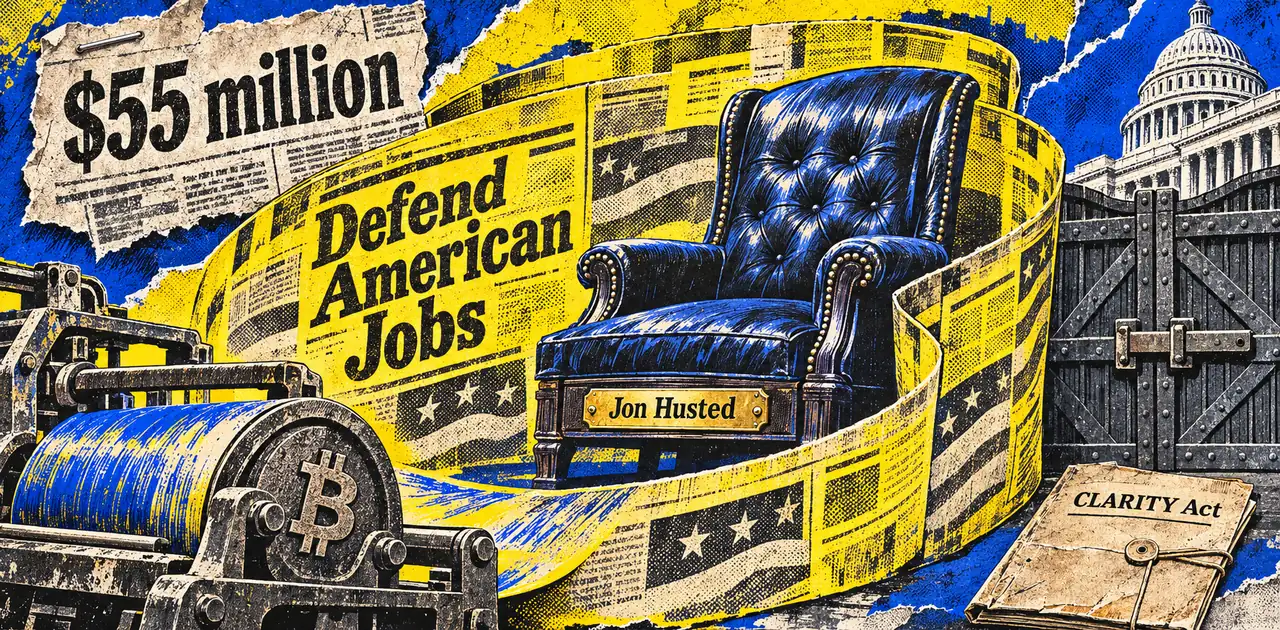

Crypto-backed group Defend American Jobs spent more than $55 million supporting Republican Jon Husted and opposing Sherrod Brown in Ohio between Sept. 21 and Oct. 26, according to Americans for Financial Reform. Husted had already voted to advance the CLARITY Act, which fell short of the Senate's 60-vote threshold. Crypto groups had spent roughly $176 million across more than 100 races by late October, a Reuters analysis estimated.
Why it matters
The Ohio race reflects an industry strategy of backing candidates based on their crypto positions, regardless of party. Keeping Husted in the Senate would preserve a vote already cast for the bill, while defeating Brown would keep a prominent crypto critic from returning to Congress. Neither result guarantees passage: Republicans hold 53 Senate seats, so the bill needs support from outside their caucus to reach 60 votes.
The remaining objections are substantive. Banking groups say stablecoin rewards could draw deposits away from community banks and credit unions, reducing funds available for lending. The September proposal would restrict some rewards that function like interest while allowing incentives tied to transactions or activity. It also gives Treasury authority to impose further limits if stablecoin yield substantially harms community-bank deposits within 18 months of enactment, a safeguard banks say could come too late.
Market impact
Nevada Democrat Catherine Cortez Masto has also raised concerns about illicit finance, prediction markets and officials' crypto interests. Bill sponsors said they incorporated 126 substantive changes requested by Democrats, but negotiations did not resolve all objections. The election can shape committee leadership, hearings and the route to a vote, but campaign spending alone cannot settle those disagreements.
The House would also need to approve the same text, and a bill that is not enacted by the end of the current Congress on Jan. 3, 2027, would need to be introduced again. For crypto businesses and investors, the immediate signal is political access, not regulatory certainty: the CLARITY Act still needs a bipartisan Senate path and agreement on its terms.
Frequently asked questions
-
What did Defend American Jobs spend money on in Ohio?
The crypto-backed group spent more than $55 million supporting Republican Jon Husted and opposing Sherrod Brown between Sept. 21 and Oct. 26.
-
Why does Husted's position matter to the CLARITY Act?
Husted had already voted to advance the bill. Keeping him in the Senate could preserve a pro-crypto vote, but the legislation still needs 60 votes.
-
Why are banking groups concerned about stablecoin rewards?
They argue rewards could encourage customers to move money from bank deposits, potentially leaving community banks and credit unions with less funding for loans.
-
What concerns did Catherine Cortez Masto raise about the bill?
She cited unresolved issues involving illicit finance, prediction markets and ethics, including political officials' crypto interests.
-
What happens if the CLARITY Act is not enacted by Jan. 3, 2027?
The bill would not automatically carry over into the next Congress. It would need to be introduced again and proceed through the legislative process.
 TheBlock
 CZ Binance
 CoinDesk
 CoinTelegraph
 Crypto Rank News
 WatcherGuru