








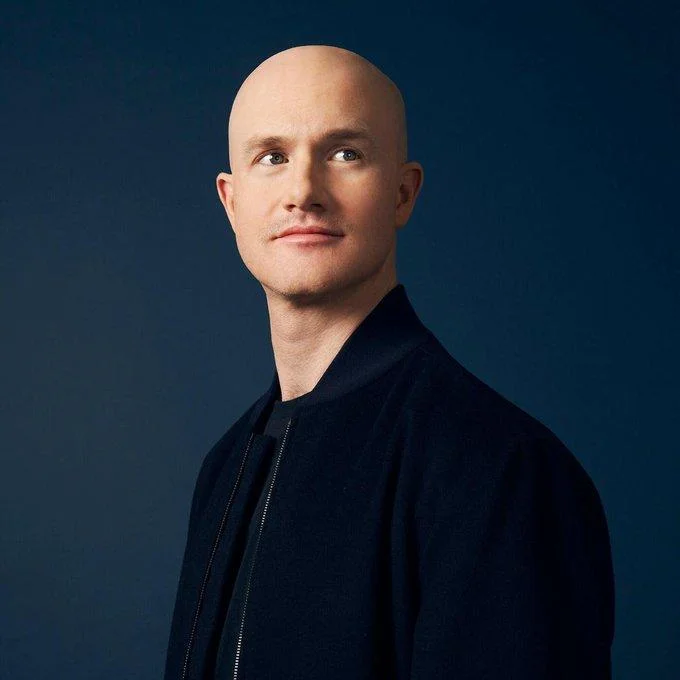
“Crypto is the currency of AiFi,” Coinbase CEO Brian Armstrong said, arguing that AI agents need money that is programmable, global and low-fee. The framing puts payment capability alongside model capability in the effort to make agentic finance practical.
Why it matters
Agentic finance depends on software acting on a user's behalf, including initiating transactions. For those systems to operate across platforms and borders, payment rails must be accessible to software and inexpensive to use. Armstrong's argument gives crypto a defined role in the AI stack: settlement infrastructure for machine-driven commerce.
Market impact
The signal is thematic rather than a call on a named token. Investors will watch whether developers turn agentic-finance ideas into payment products and real transaction demand. If that happens, exchanges, wallets and networks supporting programmable settlement could become part of the AI investment story.
Frequently asked questions
-
What does Armstrong say AI agents need from money?
He points to money that is programmable, global and low-fee. That is the role he assigns crypto in agentic finance.
-
Why are payment rails central to agentic finance?
Software agents acting on a user's behalf need payment rails they can access across platforms and borders at low cost. That puts payments alongside model capability in the AI stack.
-
Does Armstrong identify a specific crypto token?
No. The argument is about crypto infrastructure broadly and does not name a token.
-
What would test the AI and crypto adoption thesis?
Investors will watch for agent-facing payment products and real transaction demand. Those developments would connect programmable crypto rails more directly to the AI investment story.
-
How could programmable money support AI agents?
Programmable money is presented as the payment layer for software acting on a user's behalf. The required rails would be global and low-fee, with access across platforms and borders.

 Crypto News
 WatcherGuru
 Crypto Capital Venture
 CoinDesk
 TheBlock
 WuBlockchain