


 CoinDesk
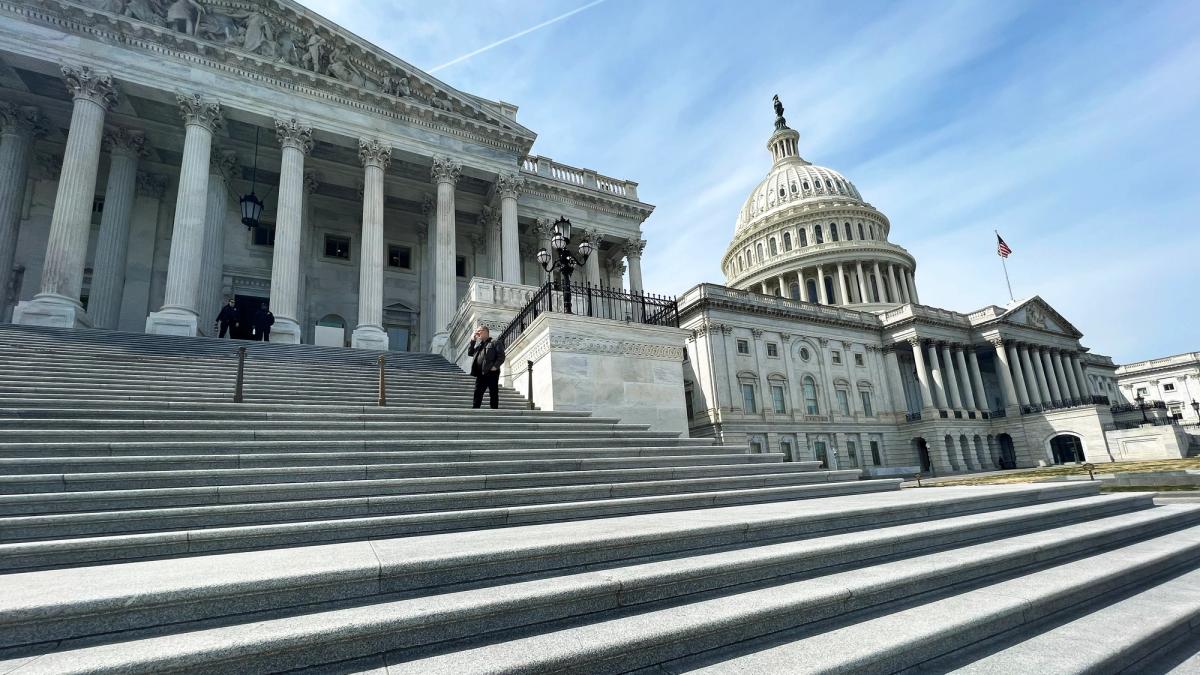


The 2026 midterms could shift the balance of power in Congress, where lawmakers will shape crypto policy over the next two years. A House flip is seen as likely, while control of the Senate remains uncertain.
Crypto-related political groups have spent more than $170 million on the election, including over $60 million targeting former Senator Sherrod Brown's bid to return to the Senate. Industry policy leaders expect oversight to increase, even if major legislation proves harder to pass.
The next Congress may revisit market-structure and tax bills, while agencies face pressure to finalize rules early. Any rules could face court challenges or be subject to congressional reversal. Crypto remains a low priority for voters: a survey of 1,000 registered voters found just 1% named it a top issue.
Frequently asked questions
-
Why could the midterms affect crypto policy if agency leadership does not change?
The incoming Congress will shape legislation and oversight, including investigations involving crypto companies and administration-linked projects.
-
How much have crypto political groups spent on the 2026 election?
Crypto-related political groups have spent more than $170 million, including over $60 million targeting former Senator Sherrod Brown's return to the Senate.
-
What does the election outlook say about control of Congress?
A House flip is seen as likely, while control of the Senate remains uncertain.
-
Which crypto policy areas could the next Congress take up?
Lawmakers may revisit market-structure legislation and tax measures, including proposals concerning taxes on small payments.
-
How important is crypto to voters, according to the cited survey?
A survey of 1,000 registered U.S. voters found that just 1% considered crypto a top issue.
 WuBlockchain
 WatcherGuru
 CryptoSlate
 Crypto News
 CoinTelegraph
 TheBlock