








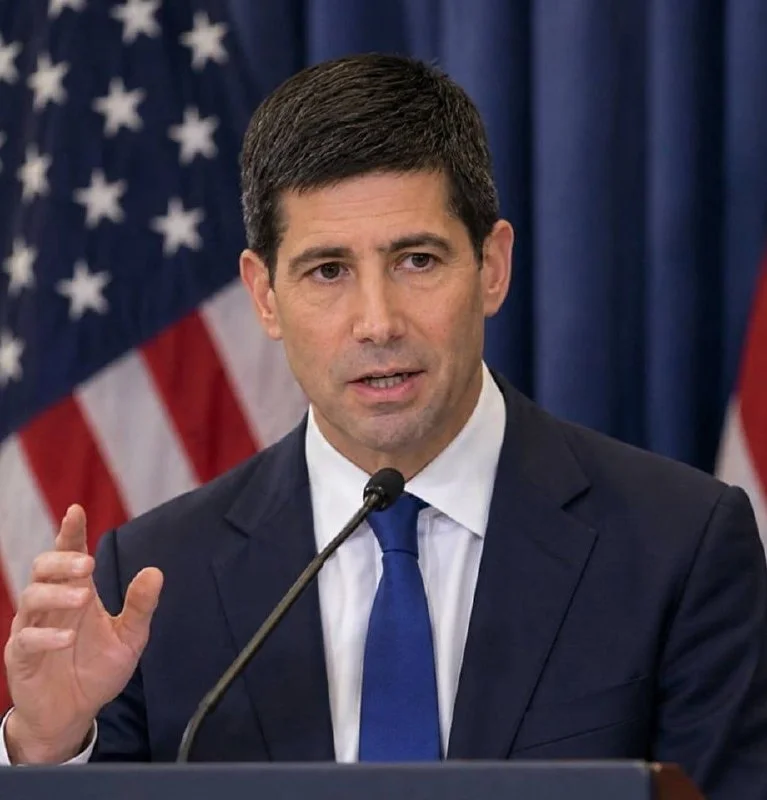
Federal Reserve Chair Kevin Warsh used his latest remarks to reinforce an inflation-first stance, signaling that rate cuts are likely to stay on hold while rising oil prices and an AI-driven investment cycle keep price pressures sticky.
Why it matters
Warsh's framing puts the Fed squarely in wait-and-see mode. Oil adds a direct supply-side shock to the inflation print, while the AI capex boom is keeping labor demand and services prices firmer than the soft-landing crowd expected. Together they argue for patience over easing, and the Chair is now putting that posture on the record.
Market impact
Front-end yields are likely to stay bid and rate-cut pricing is the line to watch. A shallower cutting path is a headwind for duration and rate-sensitive equity, while energy and AI-infrastructure names retain their relative bid. Crypto has so far traded with risk-on flows; a Warsh-led hold removes one of the easier liquidity tailwinds and reframes the macro tape around inflation data into year-end.
Frequently asked questions
-
What did Fed Chair Warsh say about rate cuts?
Warsh reinforced an inflation-first stance, signaling that rate cuts should stay on hold while oil prices and AI-driven capex keep price pressures sticky into year-end.
-
Why are oil prices a concern for the Fed?
Oil acts as a direct supply-side shock to the inflation print, complicating the Fed's path to its 2% target and giving policymakers a reason to delay easing.
-
How does the AI boom affect Fed policy?
The AI investment cycle is supporting labor demand and services prices, keeping inflation firmer than a soft-landing path would imply and reducing the case for cuts.
-
What does this mean for interest rate markets?
Front-end yields are likely to stay bid and rate-cut pricing deepens, with a shallower cutting path weighing on duration and rate-sensitive assets.
-
How does a Warsh-led Fed hold impact crypto?
It removes one of the easier liquidity tailwinds crypto has leaned on, pushing the macro framing back to incoming inflation data and risk-on flows rather than dovish policy.

 Crypto News
 WatcherGuru
 Crypto Capital Venture
 CoinDesk
 TheBlock
 CryptoSlate
 WuBlockchain