








 CoinDesk
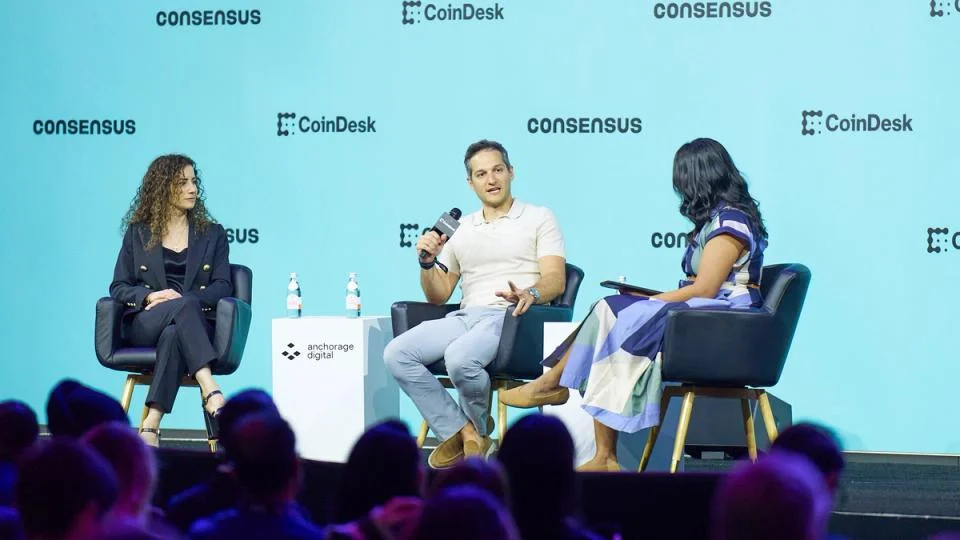

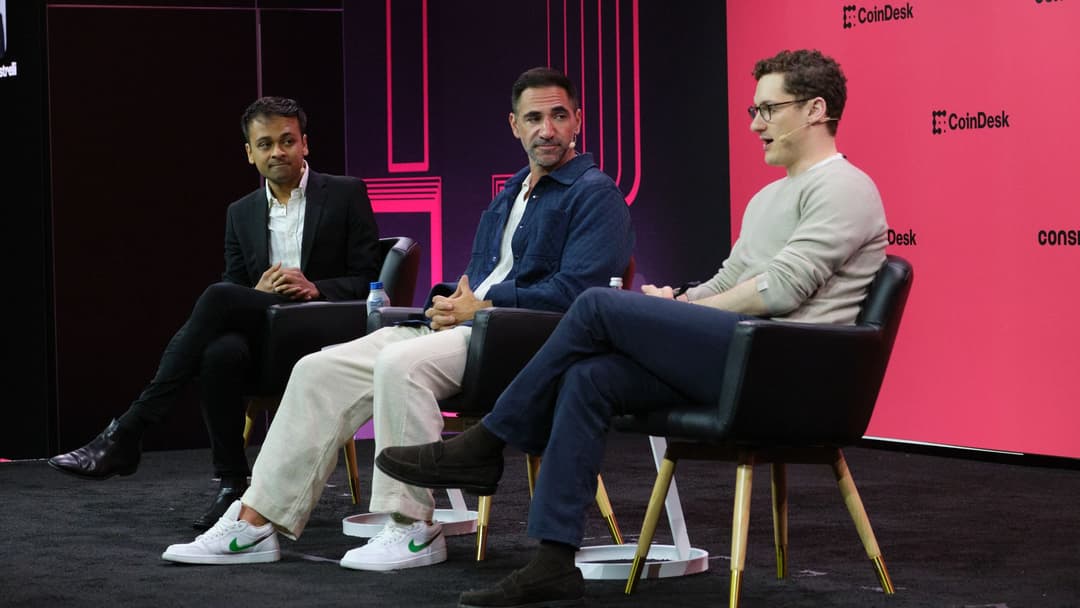
Senior figures from Google Cloud and PayPal told CoinDesk's Consensus Miami conference on Thursday that the next wave of internet commerce will run on crypto rails, arguing that AI agents are structurally locked out of traditional bank accounts. Richard Widmann, global head of Web3 strategy at Google Cloud, said it bluntly: "An agent cannot get a bank account. It's not hard, it just is impossible." Crypto, he added, is "a fantastic machine readable interface for payments."
To bridge the gap, Google has launched the Agentic Payments Protocol (AP2), an open standard donated to the FIDO Foundation with more than 120 partners including PayPal. Widmann drew a parallel to the x402 internet-native payment standard the company previously handed to the Linux Foundation. May Zabaneh, SVP and GM of crypto at PayPal, called the company's stablecoin PYUSD "a very natural programmable layer for payments," and pointed to a PayPal survey finding 95% of merchants now see AI agent traffic on their sites — but only 20% have machine-readable catalogs.
Why it matters
The argument is structural: traditional finance was built around human identity, and an autonomous agent cannot satisfy KYC, open an account, or hold a custodial credential under the existing ruleset. Crypto rails — programmable money, on-chain settlement, key-based authorisation — slot in as a native fit, which is why the biggest names in payments and cloud are now publicly aligning around the thesis. Donating AP2 to the FIDO Foundation signals Google wants this to become shared infrastructure rather than a Google product, much like x402 became a Linux Foundation project.
Market impact
The 95%-vs-20% gap Zabaneh flagged is the actionable beat: agent traffic is already arriving at merchant sites, but the merchant-side plumbing to receive and settle those transactions is not yet built. Watch merchant-side tooling, agent payment wallets, and the buildout of multi-party custody — Widmann's model, where an agent holds one shard of a 2-of-3 key set, is the template the rest of the industry will likely converge on.



Frequently asked questions
-
What is the Agentic Payments Protocol (AP2)?
AP2 is an open agentic payments standard launched by Google and donated to the FIDO Foundation. It has more than 120 partners including PayPal, and is designed to let autonomous AI agents transact using crypto-native payment rails.
-
Why do AI agents need crypto rails instead of bank accounts?
According to Google Cloud's Richard Widmann, an AI agent "cannot get a bank account. It's not hard, it just is impossible," because existing financial accounts require human identity, KYC, and regulated custodial credentials that agents cannot satisfy. Crypto, by contrast, is natively machine-readable.
-
What did PayPal's merchant survey find about agent traffic?
PayPal's May Zabaneh said a recent company survey found 95% of merchants now see AI agent traffic on their sites, but only 20% have machine-readable catalogs — a gap she framed as the next commerce migration after offline-to-online.
-
How is liability handled when an AI agent makes a bad purchase?
Zabaneh called this "definitely something that we have to think through as an industry." Widmann proposed multi-party custody as the design pattern: an agent holds one shard of a 2-of-3 key set, never the full private key, so it cannot unilaterally move funds.
-
Where does PayPal's PYUSD stablecoin fit into agentic commerce?
Zabaneh described PYUSD as "a very natural programmable layer for payments," particularly suited to globalised, AI-native, and tokenised commerce — positioning the stablecoin as the settlement layer for agent-initiated transactions.
 WuBlockchain
 CoinTelegraph
 WatcherGuru
 CryptoSlate
 Crypto Rank News
 Crypto News
 TheBlock