









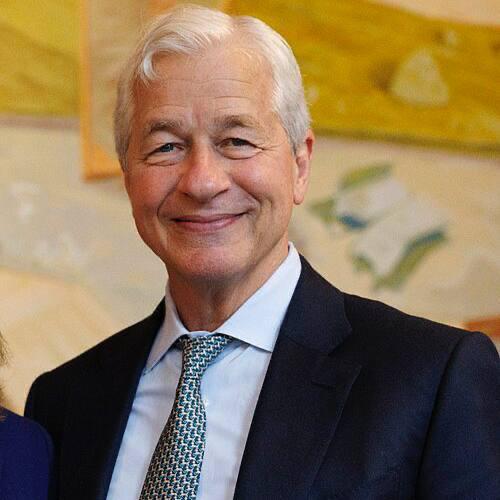
Peter Schiff publicly pushed back on JPMorgan CEO Jamie Dimon's call to subject crypto firms to the same capital and compliance standards as FDIC-insured banks. Schiff argued that stablecoin issuers do not extend risky loans the way insured depositories do, and therefore should not be regulated as if they were.
The exchange highlights a still-unresolved fault line in US crypto policy. Dimon has repeatedly urged Washington to extend bank-style oversight — capital floors, liquidity buffers, examination authority — to non-bank crypto firms, arguing that entities holding customer funds or issuing dollar-denominated tokens warrant the same prudential guardrails as chartered banks. Schiff's counter is the classic stablecoin defense: issuers back tokens with reserve assets rather than funding long-duration lending, so the failure modes are different.
Why it matters
The substantive question is whether stablecoin issuers pose the kind of systemic risk that justifies bank-level capital rules. The GENIUS Act framework moving through Congress largely treats well-backed payment stablecoins as a distinct category, but bank lobbyists — and Dimon explicitly — want tougher convergence. A Schiff-versus-Dimon public sparring match keeps that debate in the headlines at the moment the policy is being finalized.
Market impact
The clash is rhetorical rather than market-moving, but it matters for the regulatory ceiling on US-based stablecoin operations. Dimon-aligned rules would raise compliance costs for issuers and could narrow the moat between bank-issued and crypto-native tokens.
Frequently asked questions
-
What did Peter Schiff say about Jamie Dimon's crypto regulation push?
Schiff publicly pushed back on Dimon's call to subject crypto firms to the same capital and compliance standards as FDIC-insured banks, arguing stablecoin issuers don't make risky loans the way insured depositories do.
-
Why does Jamie Dimon want crypto firms under bank-level rules?
Dimon has argued that entities holding customer funds or issuing dollar-denominated tokens warrant the same prudential guardrails — capital floors, liquidity buffers, examination authority — as chartered banks.
-
How are stablecoin issuers regulated in the US currently?
The GENIUS Act framework moving through Congress treats well-backed payment stablecoins as a distinct category, but bank-aligned voices are pushing for convergence with bank-level oversight.
-
Do stablecoin issuers pose systemic risk like banks?
That's the core of the debate. Banks fund long-duration lending with short-duration deposits; stablecoin issuers back tokens with reserve assets. Dimon-aligned regulators argue the prudential risk is similar enough to warrant comparable rules.
-
Will this Schiff-Dimon exchange move crypto markets?
The clash is rhetorical rather than market-moving in the short term, but it signals where regulatory pressure on US-based stablecoin operations is heading as policy is finalized.

 TheBlock
 CoinDesk
 Altcoin Daily
 WatcherGuru
 WuBlockchain