








 CoinDesk
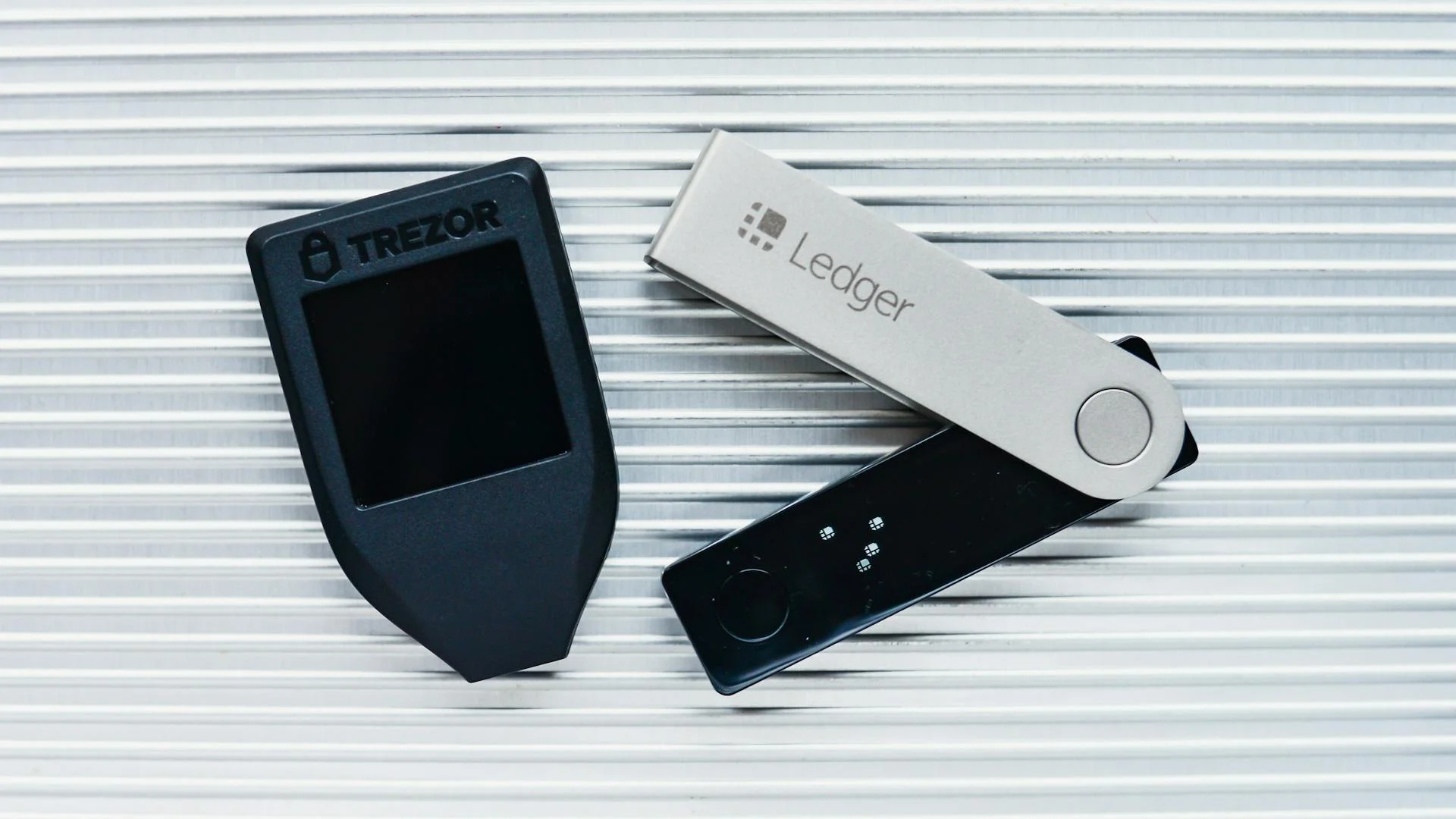



Russian consumers more than doubled their hardware wallet purchases in the first half of 2026, with two of the country's largest retailers reporting parallel surges ahead of a sweeping new crypto framework. M.Video said unit sales jumped 107% quarter-over-quarter in Q2 with sales-by-value up 92%, while Wildberries posted an 84% year-on-year unit increase in H1 and 60% growth by value, RIA Novosti reported. Wildberries' average selling price slipped 13% to 7,900 rubles as M.Video widened its product range, though neither retailer named the regulatory calendar as the trigger.
Why it matters
Russia's Sept. 1 framework legalises regulated exchanges and digital depositories while keeping domestic crypto payments banned. Retail investors will be able to buy liquid cryptocurrencies after passing a test, within a 300,000-ruble annual cap per intermediary, per the Bank of Russia. Crucially, the rules bar withdrawals from Russian digital depositories to personal wallets after a transition period that runs until July 1, 2027, pushing users toward self-custody before the clock runs out.
The demand signal is the inverse of a crackdown. Hardware wallet adoption is rising because the state is formalising a route into crypto, not closing one. Self-custody gives holders a way to keep assets accessible even as regulated rails narrow.
Market impact
Wildberries' 13% price drop suggests retailers are racing to capture volume at lower margins, treating wallets as a mass-market category rather than a niche accessory. The regulatory deadline is the catalyst, but the broader pitch is risk transfer: hardware devices let users move custody off regulated venues, though they do not bypass withdrawal restrictions or eliminate seed-management risks. A reminder of those risks landed July 30 when Coinkite disclosed a Coldcard firmware flaw that weakened seed generation, with estimated losses above $116 million.
For wallet makers, the read is straightforward: a regulatory deadline plus a price war equals a fast-growing customer base. The wildcard is whether the same demand pattern repeats in other jurisdictions that couple legalisation with withdrawal limits.
Frequently asked questions
-
Why are hardware wallet sales surging in Russia?
M.Video and Wildberries both reported surges in H1 2026 ahead of a new Sept. 1 framework that bars withdrawals from regulated digital depositories to personal wallets after a July 1, 2027 transition period. Consumers appear to be moving to self-custody before the rules bite.
-
What does Russia's Sept. 1 crypto framework actually do?
The framework legalises regulated crypto exchanges and digital depositories while keeping domestic crypto payments banned, per the Bank of Russia. Retail investors can buy liquid cryptocurrencies after passing a test, capped at 300,000 rubles per intermediary per year.
-
How much did hardware wallet sales grow at M.Video and Wildberries?
M.Video reported a 107% unit-sales jump Q2-over-Q1 with sales-by-value up 92%, while Wildberries posted an 84% YoY unit rise and 60% growth by value in H1. Wildberries' average selling price fell 13% to 7,900 rubles over the period.
-
Do hardware wallets protect against Russia's withdrawal restrictions?
No. Hardware wallets support self-custody by keeping private keys on a dedicated device, but they do not bypass Russian rules barring withdrawals from digital depositories to personal wallets. Users still face device, backup, and seed-management risks.
-
What happened with the Coldcard firmware flaw?
Coinkite disclosed a Coldcard firmware vulnerability on July 30 that weakened seed generation, with estimated losses exceeding $116 million. The disclosure is a reminder that hardware wallets shift custody risk rather than eliminate it.
 WuBlockchain
 CoinTelegraph
 TheBlock
 CryptoSlate
 Altcoin Daily
 WatcherGuru