








 CoinDesk
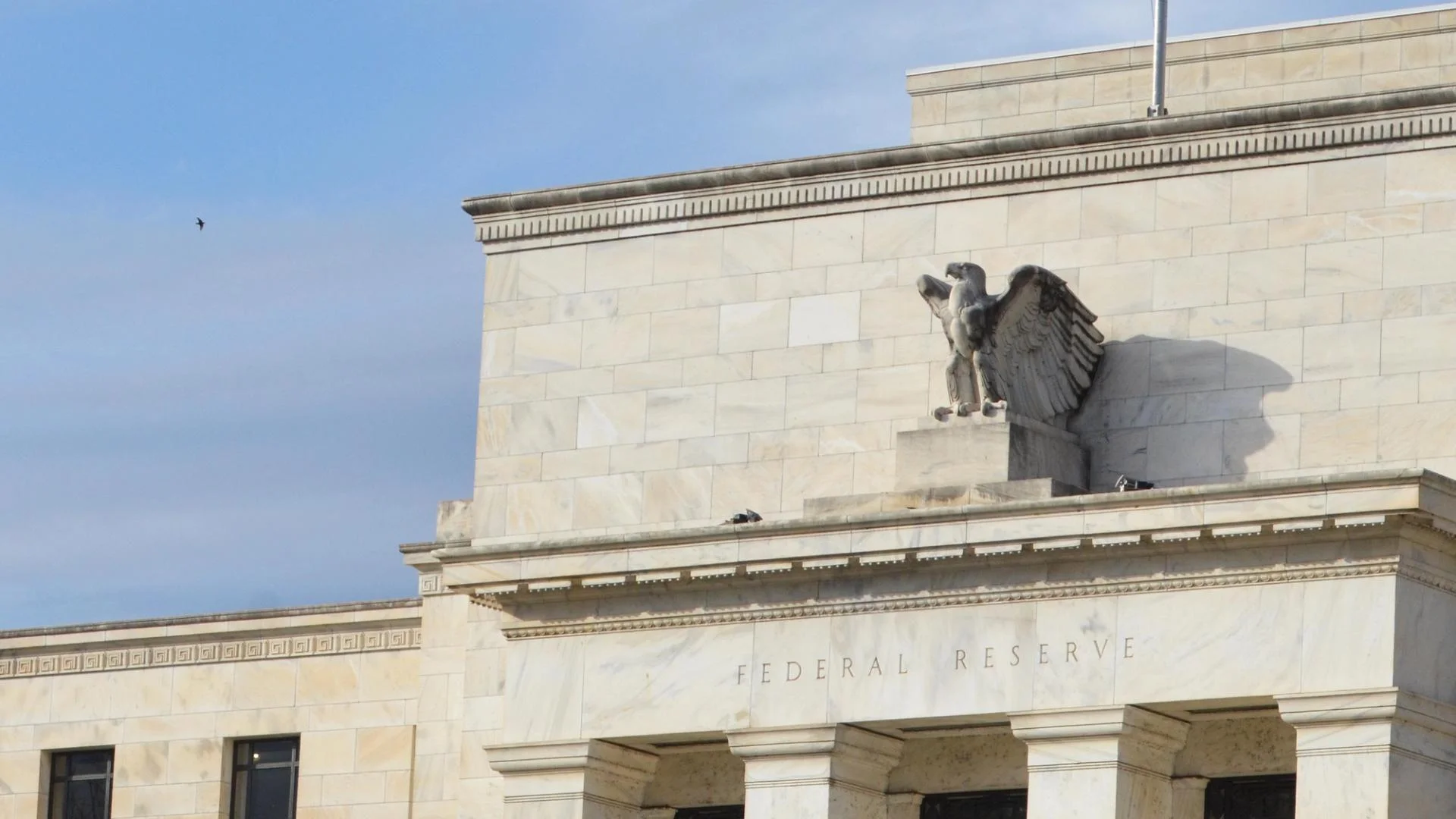



The Federal Reserve proposed two rules to implement its responsibilities under the GENIUS Act, putting reserve standards, bank-issued stablecoins and stablecoin rewards at the center of the next phase of U.S. regulation. The proposals are open to 60-day public comment periods, while federal agencies remain past the law's July 2026 deadline for completing the framework.
Why it matters
One proposal would set capital and reserve requirements designed to ensure stablecoins are backed by liquid assets and can be redeemed at par during market stress. It would also define permitted stablecoin activities for Fed-supervised banks and establish limits on arrangements that function as interest or yield payments.
The Fed said its approach to rewards closely matches the Office of the Comptroller of the Currency's proposal. The rules appear to leave only a narrow path for crypto platforms to offer incentives resembling credit-card rewards. That question was a major point of debate around the failed Digital Asset Market Clarity Act, leaving the GENIUS Act as the primary law governing stablecoin rewards.
Market impact
The second proposal would establish the process for a regulated bank to issue its own stablecoin, including requirements for a business plan, financial information and supporting policies. Together, the rules could give banks a more defined route into stablecoin issuance while raising the compliance bar for existing platforms.
Fed Governor Michael Barr said stablecoins must be reliably and promptly redeemable at par across a range of conditions, including market stress and pressure on government debt. The rules remain proposals, and public feedback will shape the final regulations. Treasury and the FDIC have also issued related proposals as agencies build the broader framework.
Frequently asked questions
-
What do the Fed's GENIUS Act proposals cover?
They cover stablecoin reserve and capital requirements, permitted activities for Fed-supervised banks, stablecoin rewards and procedures for regulated banks to issue stablecoins.
-
How long is the public comment period?
Each proposal is open to a 60-day public comment period before the Fed can revise and finalize the rules.
-
What would the reserve proposal require?
It would set requirements intended to ensure stablecoins are backed by liquid assets and can be redeemed at par during market stress.
-
How would the proposals affect stablecoin rewards?
The Fed's approach would presume certain third-party arrangements to be prohibited interest or yield payments, leaving a narrow path for reward programs similar to credit-card incentives.
-
What must regulated banks provide to issue stablecoins?
Banks would need to submit a business plan, financial information and relevant policies, procedures and other documents under the proposed issuance framework.
 TheBlock
 CoinTelegraph
 WatcherGuru
 WuBlockchain