








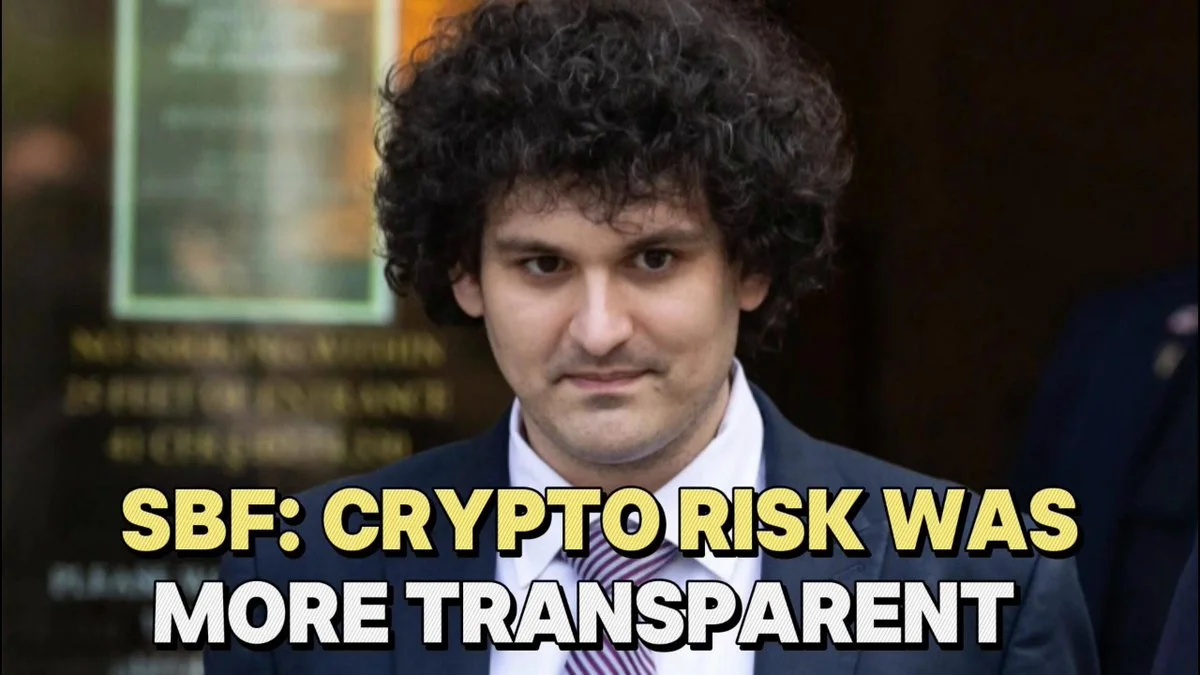

FTX founder Sam Bankman-Fried told a U.S. congressional hearing in December 2021 that his platform ran a 24/7 risk engine without the overnight, weekend, or holiday gaps seen in traditional assets, and that market data was open and free with transparent risk parameters. He argued the 2008 financial crisis was rooted in bilateral, customised, unreported trades that were repeatedly packaged and leveraged, leaving risk hidden until it was too late.
After FTX's November 2022 collapse and Bankman-Fried's subsequent fraud conviction, those same words now read as an indictment of the man who said them. The transparency and continuous risk monitoring he pitched as an alternative to the opaque leverage that fuelled 2008 turned out to describe a venue where customer funds were commingled with Alameda Research and used to plug balance-sheet holes. The argument that opaque, bespoke leverage is what breaks a financial system applies, on the evidence, to FTX itself.
Why it matters
The 2021 hearing was one of the moments crypto's institutional defenders used to argue that on-chain and exchange-native infrastructure had outgrown the credit-risk blind spots that hit the banks in 2008. Three years later the FTX bankruptcy estate has confirmed roughly $8–10 billion in shortfalls across customer and creditor claims, and the founder who promised transparent risk parameters is serving a 25-year sentence. The contrast has become a standard reference point in the U.S. policy debate over whether crypto exchanges deserve bespoke risk-management rules or should be folded into existing prudential frameworks.
Market impact
The episode continues to shape how U.S.
Frequently asked questions
-
What did Sam Bankman-Fried tell Congress about crypto risk in 2021?
At a December 2021 U.S. congressional hearing, SBF argued that crypto exchanges run 24/7 risk engines without the overnight, weekend, or holiday gaps of traditional finance, and that market data is open, free, and backed by transparent risk parameters.
-
What happened to FTX after SBF's congressional testimony?
FTX collapsed in November 2022 after customer funds were commingled with Alameda Research. The bankruptcy estate has recorded roughly $8–10 billion in shortfalls, and SBF was convicted of fraud and sentenced to 25 years in prison.
-
Why is SBF's 2021 risk-engine pitch seen as an indictment now?
The transparency and continuous risk monitoring he described as crypto's advantage over 2008-style finance now applies, on the evidence, to FTX itself: opaque leverage and hidden risk were central to the collapse rather than to the traditional system he was criticising.
-
How has FTX's collapse shaped U.S. crypto regulation?
It is the case study behind current U.S. pushes for segregated customer funds, real-time proof-of-reserves, and clearer SEC and CFTC jurisdiction over crypto exchanges, especially those offering derivatives to retail clients.
-
What is the lasting market-structure lesson from the FTX case?
That claims of a 'transparent risk engine' or 24/7 risk monitoring are now treated as marketing assertions to be verified by auditors and regulators, not structural features to be assumed about an exchange.

 WatcherGuru
 CryptoSlate
 CoinTelegraph
 CoinDesk
 Crypto News