








 CoinDesk
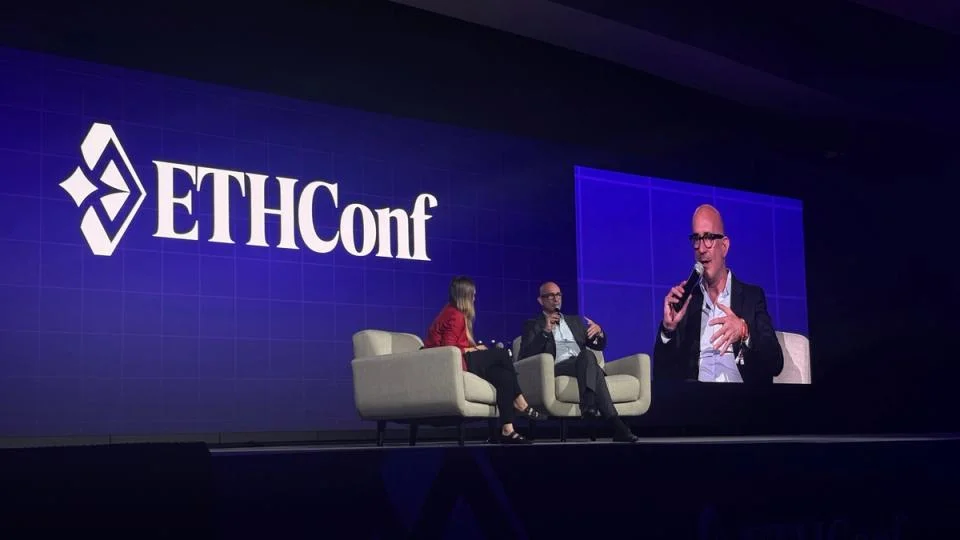



Securitize (SECZ), the BlackRock-backed tokenization specialist, has shed roughly 40% since completing its SPAC merger with Cantor Equity Partner II last week. The shares tumbled as much as 25% on Tuesday before paring losses, even as institutional interest in tokenization continues to accelerate across Wall Street.
The move landed on a rough session for crypto-adjacent equities. Circle (CRCL) fell 5%, BitGo (BTGO) dropped 4%, and Figure (FIGR), the blockchain lender founded by former SoFi CEO Mike Cagney, plunged nearly 8.8%, while the tech-heavy Nasdaq lost 2% on the day.
Why it matters
Jeff Dorman, chief investment officer at Arca, argued the selloff has little to do with Securitize's underlying business and almost everything to do with SPAC mechanics. Once a SPAC merger closes, the investor base rotates from fixed-income-oriented SPAC buyers and redemption-focused holders toward fundamentally driven long-term equity owners, often producing sharp swings in a limited float. The transition is amplified when the stock traded up into the merger, as SECZ did.
Dorman framed Securitize's drop as part of a broader pattern. Coinbase (COIN) trades 56% below its $381 opening reference, Gemini is down 85% from its September debut, Bullish has lost more than 70% from its $90 August listing, BitGo is off 70% since its February IPO, and Circle sits roughly 77% off its June 2025 peak. With that track record, the SECZ trade looks less like a Securitize-specific verdict and more like the market repricing the entire 2025 crypto IPO class.
Market impact
The contradiction is striking. BlackRock, Franklin Templeton, and JPMorgan continue to expand tokenization efforts for U.S. Treasuries, credit, and equities on blockchain rails. Citi projects tokenized assets could reach $5.5 trillion by 2030, and a separate BCG-Ripple estimate pegs the market at $19 trillion by 2033. Securitize, with a $400 million war chest earmarked for acquisitions, sits directly inside that growth thesis, yet the equity is being sold regardless.

Frequently asked questions
-
Why is Securitize (SECZ) down 40% after going public?
Arca CIO Jeff Dorman attributes the drop to SPAC mechanics, not fundamentals. Once the merger closed, the investor base rotated from fixed-income SPAC buyers to fundamentally driven equity holders, producing sharp swings in a thin float that had traded up into the deal.
-
Is the Securitize decline a sign tokenization demand is fading?
No. BlackRock, Franklin Templeton, and JPMorgan continue expanding tokenization efforts for U.S. Treasuries, credit, and equities. Citi projects tokenized assets could reach $5.5 trillion by 2030, and a BCG-Ripple estimate puts the market near $19 trillion by 2033.
-
How badly have other 2025 crypto IPOs performed?
Coinbase is 56% below its $381 opening reference, Gemini is down 85% from its September debut, Bullish has lost more than 70% from its $90 August listing, BitGo is off 70% since its February IPO, and Circle trades roughly 77% below its June 2025 peak.
-
What did Securitize's SPAC merger involve?
Securitize merged with Cantor Equity Partner II, a special purpose acquisition company, to go public. The firm ended the transaction with a $400 million war chest that CEO Carlos Domingo said will fund acquisitions.
-
What was the broader market doing when SECZ fell?
The tech-heavy Nasdaq lost 2% on Tuesday. Circle (CRCL) fell 5%, BitGo (BTGO) dropped 4%, and Figure (FIGR) plunged nearly 8.8%, indicating the Securitize slide fit a sector-wide rotation against crypto-adjacent equities rather than a company-specific event.
 WuBlockchain
 Altcoin Daily
 WatcherGuru
 CryptoSlate
 TheBlock
 CoinTelegraph
 Crypto Rank News