









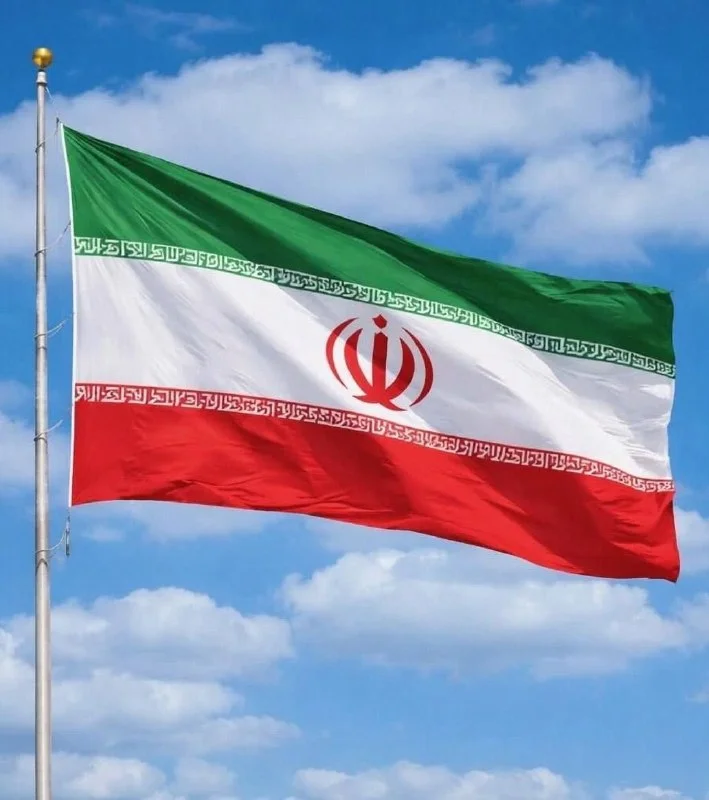
The US is revoking a general license that had authorized Iranian oil sales, following attacks on tankers in the Strait of Hormuz. The license had served as a narrow sanctions workaround, allowing a limited set of buyers to continue taking Iranian crude despite broader US restrictions.
Why it matters
The Strait of Hormuz is the single most important oil chokepoint on the planet, carrying roughly a fifth of global seaborne crude. Any disruption to Iranian flows tightens an already constrained seaborne market, and the license revocation signals Washington is willing to use its sanctions architecture as a direct lever against Tehran rather than relying on enforcement through intermediaries.
Market impact
Brent and WTI futures typically respond to Hormuz headlines with reflexive spikes, even when physical flows are not yet affected. Insurance and war-risk premiums on tanker traffic through the strait are the second-order read: a sustained jump raises the cost of moving Middle Eastern crude regardless of where it originates, lifting landed prices in Asia and Europe. Watch the next 48 hours of tanker-tracking data and any retaliatory Iranian statements for confirmation that the disruption is real, not performative.
Frequently asked questions
-
What is the general license the US is revoking?
It was a narrow US authorization that let a limited set of buyers continue purchasing Iranian crude despite the broader US sanctions regime. Revoking it removes that workaround.
-
Why is the Strait of Hormuz so important for oil markets?
Roughly a fifth of global seaborne crude transits the Strait of Hormuz. Any disruption to flows through it tightens the seaborne market quickly and lifts prices for buyers in Asia and Europe.
-
How do oil futures typically react to Hormuz headlines?
Brent and WTI tend to spike reflexively on Hormuz disruption news, even when physical flows are not yet affected. The moves often fade if no follow-through materializes.
-
What is the second-order impact beyond crude prices?
War-risk and insurance premiums on tanker traffic through the strait rise. Those costs are passed into landed crude prices across the region, regardless of where the oil originates.
-
What should traders watch over the next 48 hours?
Tanker-tracking data for confirmation of physical disruption, any Iranian retaliatory statements, and whether insurance premiums hold their spike or revert. Sustained attacks keep the risk premium bid; a symbolic revocation without follow-through gets priced out within a session.

 CoinDesk
 WatcherGuru
 CryptoSlate
 WuBlockchain