








 CoinDesk
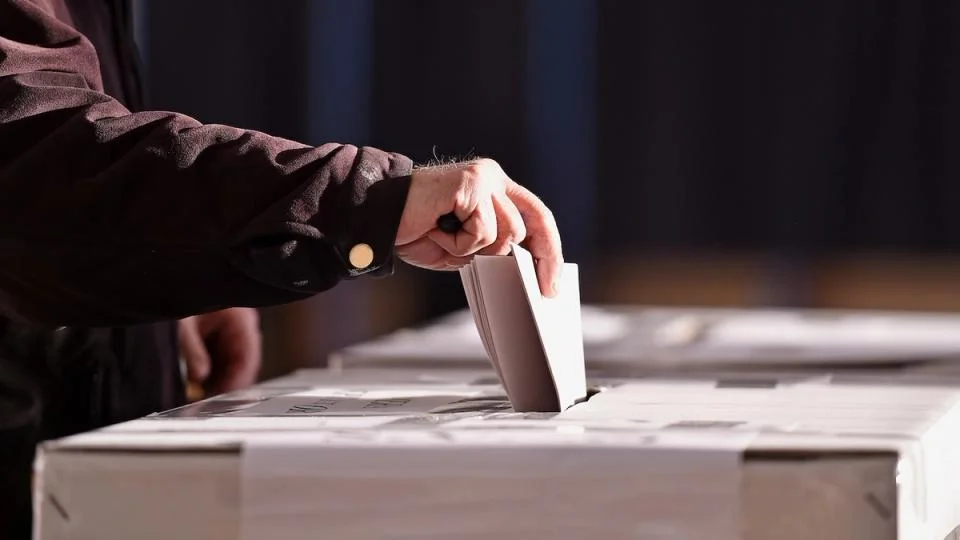


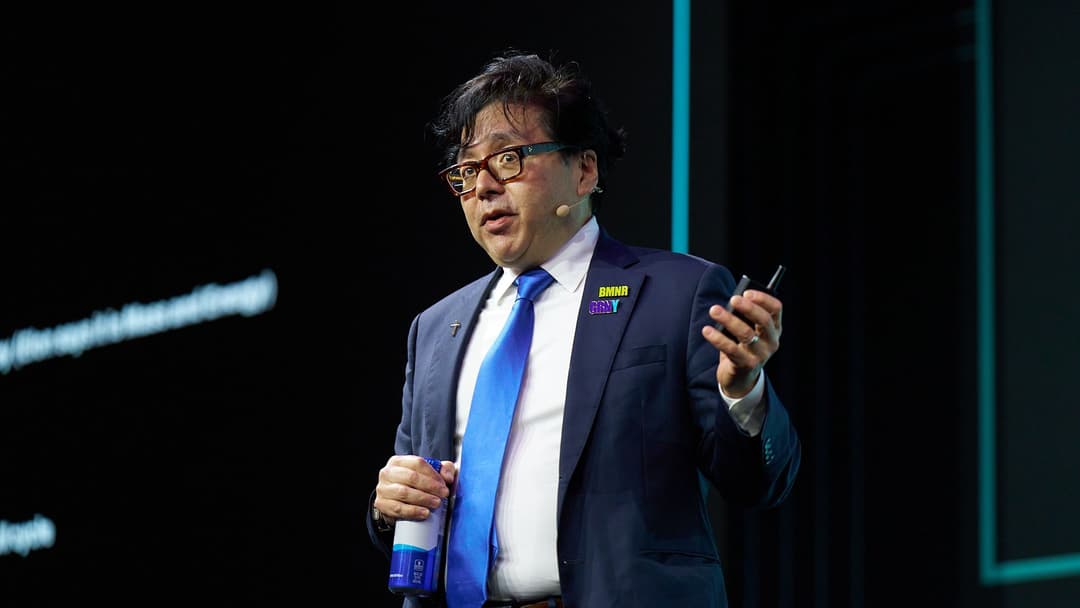
Tether Head of Government Affairs Jesse Spiro told Consensus Miami 2026 that the upcoming U.S. midterm elections will be a defining test for whether Washington's recent embrace of digital assets holds politically, warning the vote could have a "seismic impact" on the industry's trajectory even after progress on the GENIUS Act and market structure legislation.
Spiro framed the moment as fragile despite the wins: "What we've seen is a lot of good immersion and progress over the last year… but as with anything else, the apple cart can always get upset." He added that crypto "should not be partisan," a notable line from a stablecoin issuer whose product has become a flashpoint in U.S. payments policy.
Why it matters
The midterms matter because the crypto industry's recent legislative wins — most notably the GENIUS Act — were secured under a specific congressional configuration that November could reshape. A swing in either chamber risks reopening settled debates on stablecoin oversight, market structure, and tokenization authority, forcing the industry to defend gains rather than build on them.
The political machine built around 2024 — when crypto-aligned groups spent hundreds of millions — is now being repurposed for what Solana Policy Institute's Colin McLaren called "durability." McLaren pushed the mortgage analogy: "You can make the down payment on a house, but you've got to keep paying the mortgage."
Market impact
Stand With Crypto's Mason Lynaugh said the group's nearly 3 million members are treating 2026 as "an accountability moment," with motivated single-issue voters capable of swinging races decided by four to five thousand votes. The implication is that the industry's policy agenda is no longer purely a Washington story — it now runs through turnout operations in competitive districts.
Spiro's warning lands against a backdrop where institutional adoption is accelerating regardless of the political weather. Separately at the conference, Nasdaq President Tal Cohen said a friendlier SEC is giving market operators room to experiment with tokenization and "always on" blockchain infrastructure.

Frequently asked questions
-
What did Tether's Jesse Spiro actually say at Consensus Miami 2026?
Spiro, Tether's Head of Government Affairs, said the 2026 U.S. midterms will be a defining test for whether Washington's recent embrace of digital assets holds, warning the vote could have a "seismic impact" on the industry despite progress on the GENIUS Act and market structure legislation.
-
Why do the 2026 midterms matter so much for crypto policy?
Recent legislative gains — most notably the GENIUS Act — were secured under a specific congressional configuration that November could reshape, potentially reopening settled debates on stablecoin oversight, market structure, and tokenization authority.
-
What is the "durability" argument made by crypto's political organizers?
Solana Policy Institute's Colin McLaren framed it as the difference between a down payment and a mortgage: the industry's 2024 spending secured initial wins, but 2026 spending and turnout are needed to defend them against political reversal.
-
How big is Stand With Crypto's voter mobilization effort?
Executive Director Mason Lynaugh said the group has nearly 3 million members and is treating 2026 as an accountability moment, arguing motivated single-issue crypto voters could swing races decided by 4,000 to 5,000 votes.
-
Is institutional crypto adoption moving in the same direction as the political fight?
Yes — separately at the conference, Nasdaq President Tal Cohen said a friendlier SEC is giving market operators room to experiment with tokenization and blockchain infrastructure, meaning capital deployment is outpacing the political cycle and raising the cost of any rollback.
 WatcherGuru
 WuBlockchain
 CZ Binance
 CoinTelegraph
 Crypto News
 CryptoSlate