








 CoinDesk
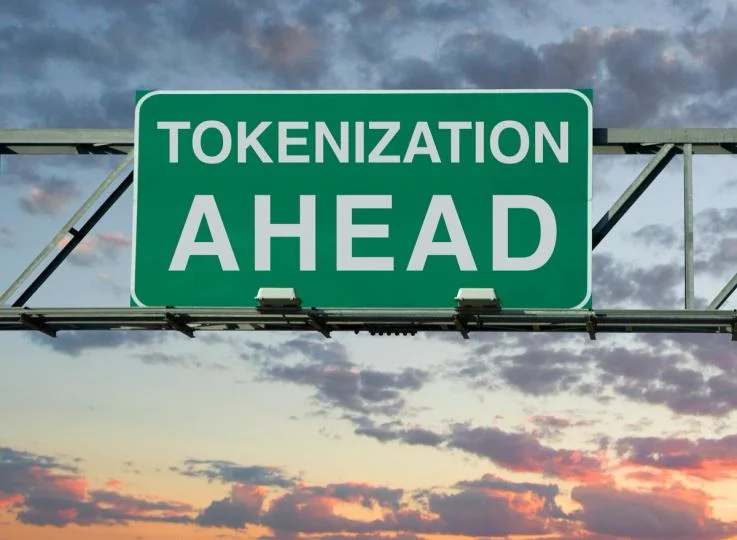

A new CoinDesk column argues tokenization is replaying the same market-structure revolution that turned exchange-traded funds into a $10 trillion-plus market, with mint/burn mechanics, authorized-participant arbitrage, and continuous trading doing for onchain assets what creation/redemption did for ETFs in the 1990s.
The author — Lie — draws a direct line from ETF creation/redemption to tokenized wrappers: authorized participants (or smart contracts acting as such) deposit underlying assets to mint new tokens, or redeem tokens for the underlying, with arbitrageurs keeping the wrapper's market price tethered to the basket. When a tokenized Apple stock trades above its intrinsic value, APs mint supply into the market; when it trades below, they redeem and remove supply. The economic mechanism is identical to how spot ETFs have stayed anchored to NAV for three decades.
Why it matters
The structural parallel matters because the skeptics in 1990 used the same language now deployed against tokenization — calling early ETFs just a wrapper around mutual funds. Instead, ETFs triggered a market-structure shift: blurring primary and secondary markets, turning arbitrage into the system that holds the whole structure together, and giving investors continuous, on-exchange access to baskets that previously traded only at end-of-day NAV.
Tokenization extends that foundation by making issuance, transfers, and outstanding supply observable in near real time onchain — visibility that even the most liquid ETFs can't match. Continuous 24/7 trading is the second structural leap: a tokenized US bond fund can be adjusted at 8 p.m. CET on a Friday, a tokenized equity can react to breaking news on a Saturday and become a leading indicator for Monday's cash open. The same widening of spreads that FX markets see on holidays is the only meaningful friction, and it compresses as participants and hedging instruments scale.
Frequently asked questions
-
How is tokenization structurally similar to ETFs?
Both use a wrapper around a basket of underlying assets, with authorized participants (or smart contracts) able to mint new units against the basket or redeem units for it. Arbitrageurs exploit any price gap between the wrapper and the underlying, keeping the market price tethered to NAV.
-
Why is 24/7 trading considered a structural leap for tokenized assets?
Continuous trading lets tokenized assets absorb new information the moment it breaks, rather than waiting for the underlying cash market to reopen. A tokenized equity can react to Saturday news and effectively become a leading indicator for Monday's open, in the same way US-listed ETFs holding European or Asian…
-
What is the role of arbitrage in keeping a tokenized wrapper's price honest?
When the token trades above the value of its underlying, arbitrageurs mint new supply into the market until the premium closes; when it trades below, they redeem tokens and remove supply until the discount closes. The mechanism is identical to the creation/redemption arbitrage that has kept ETFs anchored to NAV for…
-
What onchain visibility do tokenized assets provide that ETFs cannot?
Issuance, transfers and outstanding supply for a tokenized wrapper are observable onchain in near real time, giving investors and market participants a transparent view of how supply is evolving relative to the underlying basket — a level of float visibility even the most liquid ETFs cannot match.
-
What is the main friction in 24/7 tokenized markets, and how does it compress over time?
The main friction is the cost of carry and wider spreads during purely off-hour sessions, similar to how FX spreads widen on holidays. As more participants join, hedging instruments like futures and correlated signals mature, and risk-management tools improve, those wider spreads compress toward tighter intraday…
 WuBlockchain
 WatcherGuru
 CoinTelegraph
 TheBlock