


 CoinTelegraph
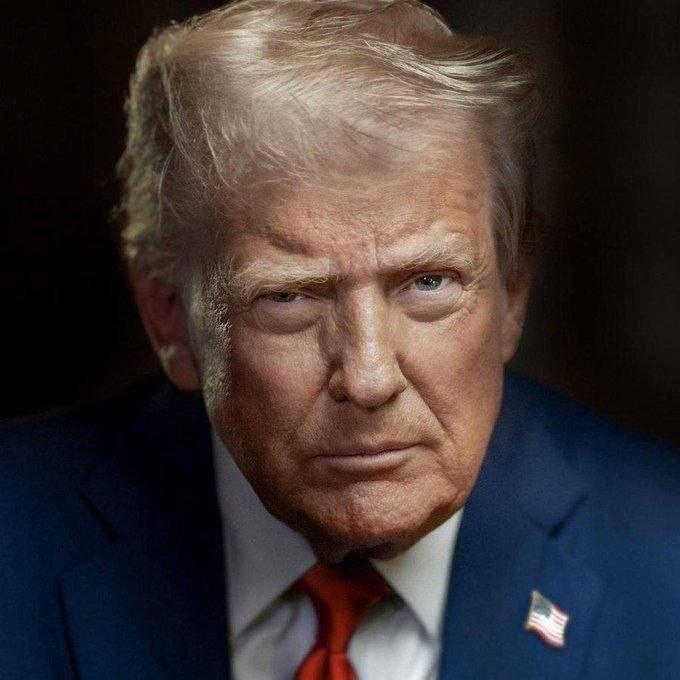
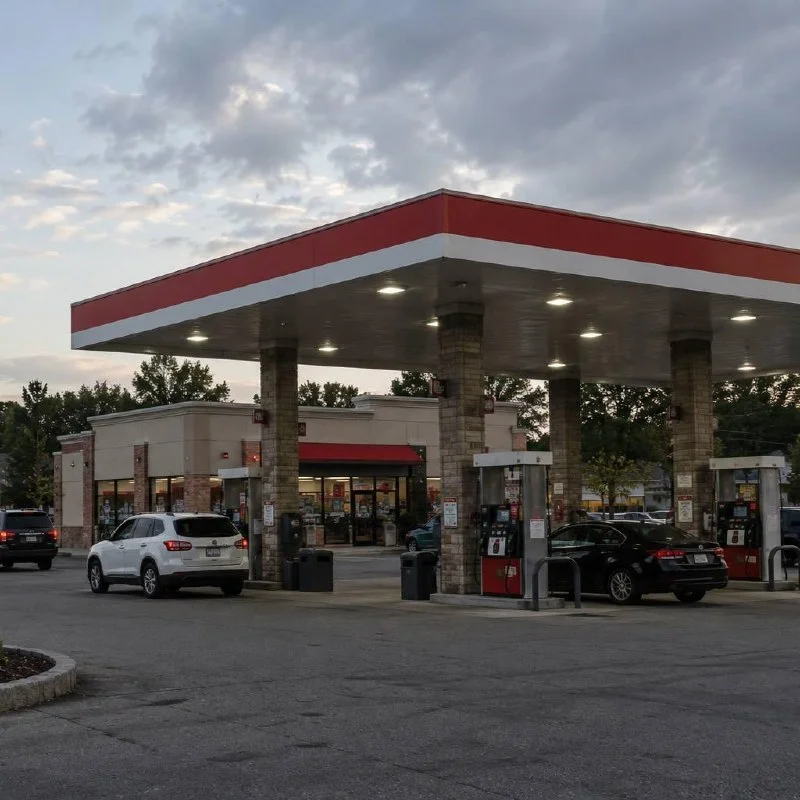
Donald Trump called high gas prices “a small price to pay” for the Iran war, saying he had expected them to double or triple. His comments tie the conflict directly to a sharp potential rise in fuel costs.
Why it matters
Higher gasoline prices can add to inflation pressure by raising costs for households and businesses. Trump’s remarks frame those costs as an accepted consequence of the war.
Market impact
Energy prices are a key market channel for geopolitical risk, with fuel costs influencing inflation expectations and the outlook for interest rates. The statement does not establish that gas prices have doubled or tripled; it describes what Trump said he expected.
Frequently asked questions
-
What did Trump say about gas prices and the Iran war?
He called high gas prices “a small price to pay” for the Iran war and said he expected them to double or triple.
-
Did Trump say gas prices have already doubled or tripled?
No. He said he expected prices to double or triple; the statement does not establish that they have done so.
-
Why do fuel prices matter beyond the energy market?
Higher fuel prices can raise costs for households and businesses and add to inflation pressure.
-
How can geopolitical risk affect the interest-rate outlook?
Energy costs can influence inflation expectations, which are relevant to the outlook for interest rates.
-
What economic consequence of the Iran war did Trump's remarks emphasize?
His remarks framed higher gasoline prices as an accepted cost of the conflict.
 WatcherGuru
 Crypto Capital Venture
 CryptoSlate
 CoinDesk
 TheBlock