








 WatcherGuru
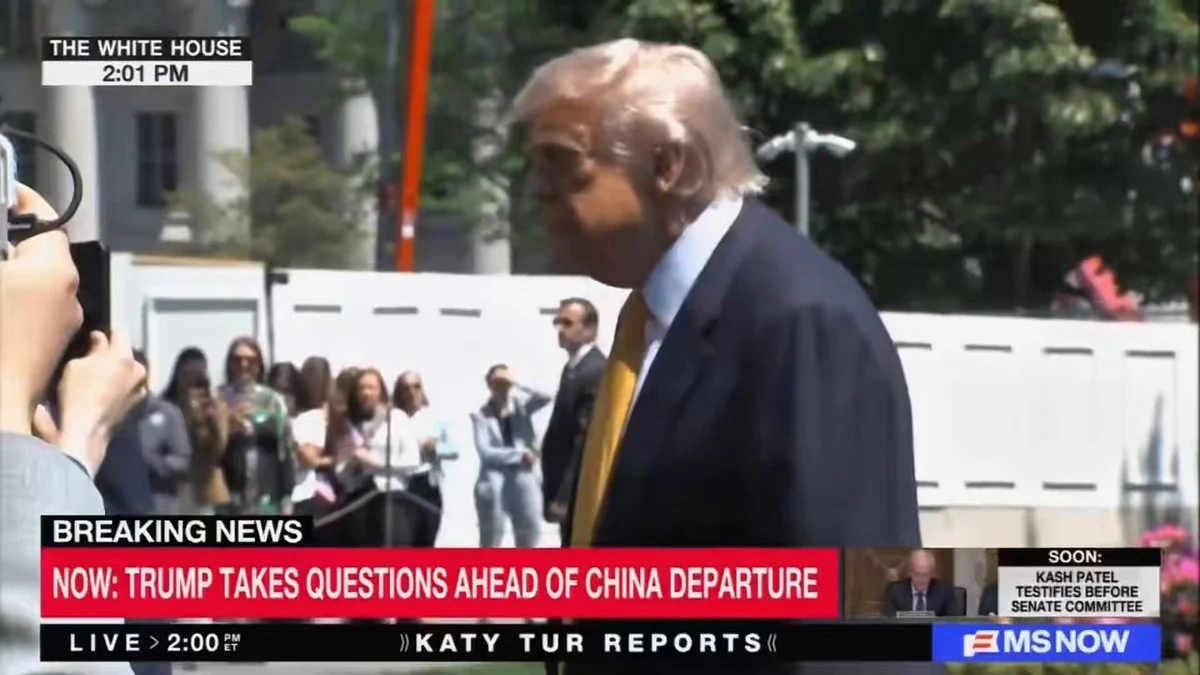

At a public exchange with a reporter, President Trump was asked whether Americans' financial situations are motivating him to make a deal. His answer: "Not even a little bit... I don't think about Americans' financial situations."
The remark lands against a deteriorating consumer backdrop. Households are absorbing higher prices on essentials, credit-card delinquencies are climbing, and consumer sentiment indexes have been trending below 2024 levels. Markets are watching whether fiscal or trade deals out of the administration carry any offset for that pressure.
Why it matters
The comment matters less for its policy content and more for what it signals about the political economy the administration is willing to operate in. A White House that publicly disclaims consumer-financial strain as a deal driver is telegraphing that deal timing and structure will be judged on White House priorities, not on household balance sheets — which removes one of the political accelerants markets often price into relief packages.
Market impact
Rates desks, consumer-staples names, and credit-sensitive equities read statements like this as a signal that any near-term relief — tariff carve-outs, direct checks, expanded credits — is unlikely to be rushed. Expect traders to push back expectations for consumer-relief policy and lean more heavily on macro data prints (retail sales, jobless claims, sentiment revisions) as the dominant near-term driver of cyclicals.
Frequently asked questions
-
What exactly did President Trump say about Americans' financial situations?
In response to a reporter's question about whether Americans' financial situations are motivating his deal-making, he answered: "Not even a little bit... I don't think about Americans' financial situations."
-
Why is the comment relevant to markets?
It signals that the administration is not framing its deal calendar around consumer-financial strain, which removes one of the political accelerants traders typically price into expectations for tariff carve-outs, direct relief, or expanded credits.
-
What is the current state of American consumer finances?
Households are absorbing higher prices on essentials, credit-card delinquencies have been climbing, and consumer sentiment indexes are running below 2024 levels.
-
Which market segments are most affected by this kind of statement?
Rates desks, consumer-staples equities, and credit-sensitive cyclicals — segments that typically price in consumer-relief policy or fiscal offset — read statements like this as a reason to push back near-term relief expectations.
-
What data points will traders watch instead?
With political relief less likely to be rushed, the macro data tape — retail sales, jobless claims, and consumer-sentiment revisions — becomes the dominant near-term driver of cyclical and credit-sensitive names.
 WuBlockchain
 CoinDesk
 CryptoSlate
 CoinTelegraph