








 WatcherGuru
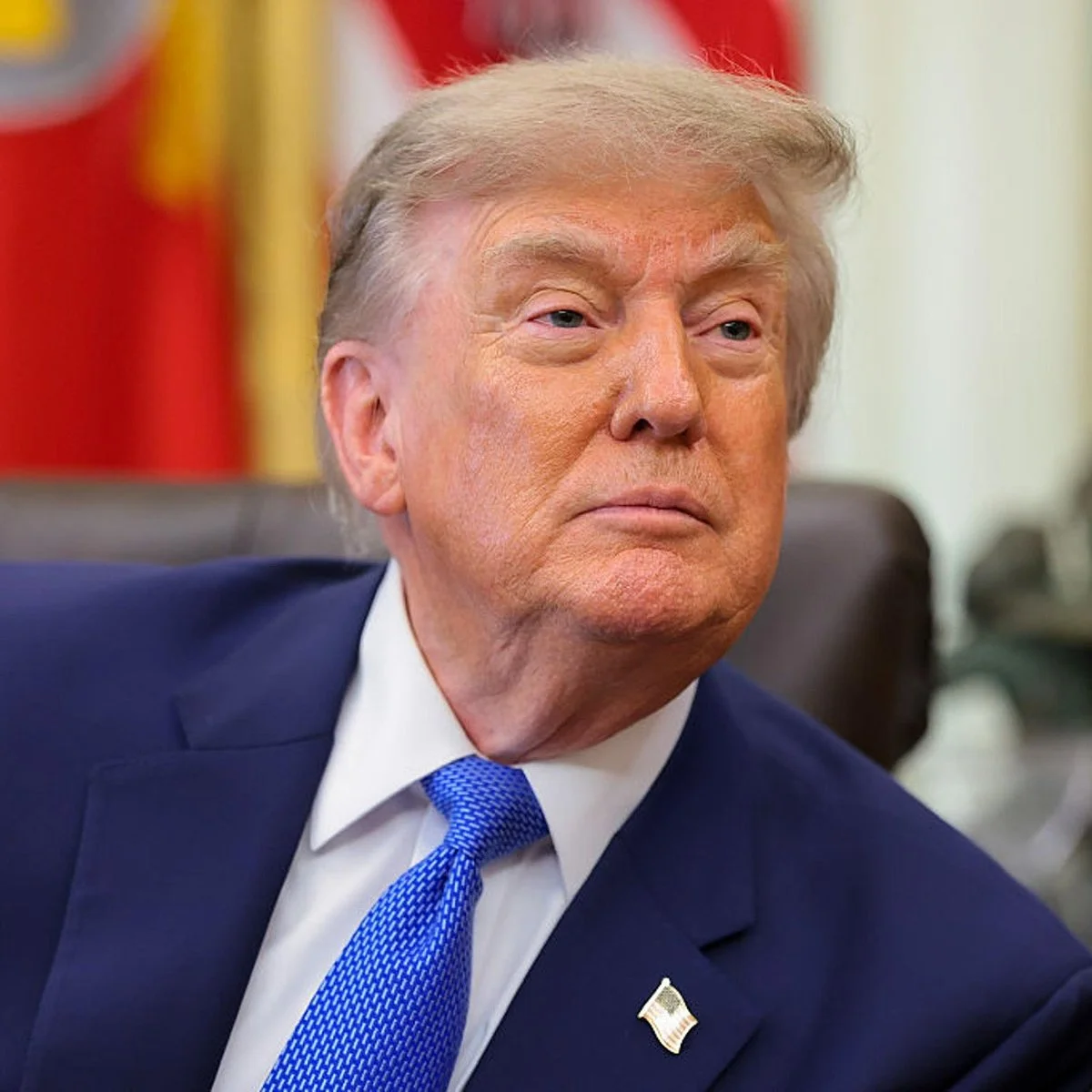
President Donald Trump said Americans will have to absorb higher gasoline prices to prevent Iran from obtaining a nuclear weapon. The statement frames fuel inflation as a cost of the administration's Iran policy, rather than an isolated move in energy markets.
Why it matters
Oil is a central channel through which geopolitical tensions reach markets. Higher fuel costs can raise transport and consumer expenses, while a tougher Iran stance can push investors toward risk-off positioning if it threatens energy supply or regional stability. The statement does not specify a price target or policy timetable.
Market impact
The key watchpoints are crude prices, gasoline expectations, inflation data and rate-cut pricing. A persistent energy shock would pressure household purchasing power and complicate the path for inflation-sensitive assets. Investors will also track whether the warning is followed by measures that materially change Iran's oil flows or broader regional risk.
Frequently asked questions
-
What did Trump say about US gasoline prices and Iran's nuclear program?
Trump said Americans will have to absorb higher gasoline prices to prevent Iran from obtaining a nuclear weapon.
-
Why could tougher Iran policy affect oil markets?
Geopolitical tensions involving Iran can affect expectations for energy supply and regional stability, making oil a key channel for market risk.
-
Which indicators should investors watch after the warning?
The main watchpoints are crude prices, gasoline expectations, inflation data and rate-cut pricing.
-
How could higher fuel prices affect the broader economy?
Higher fuel costs can raise transport and consumer expenses, pressure household purchasing power and complicate the path for inflation-sensitive assets.
-
Did Trump provide a gasoline price target or policy timetable?
No. The statement did not specify a price target or timetable for the policy.
 CryptoSlate
 CoinTelegraph
 CoinDesk
 Crypto Capital Venture