








 CoinDesk
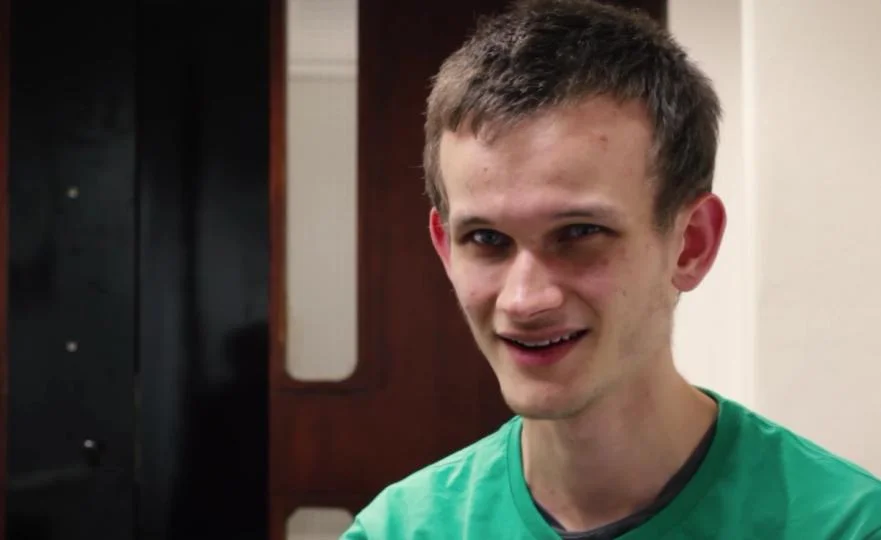


Ethereum co-founder Vitalik Buterin has published the first installment of a technical series on program obfuscation, calling it the most powerful idea in cryptography while making clear current implementations are nowhere near practical use.
Obfuscation turns a program into an encrypted version that still runs and produces the same outputs while hiding how it works inside. The formal target, called indistinguishability obfuscation, or iO, means that given two scrambled programs that do the same job, no observer can tell which is which. Buterin's shorthand is that it hides the code rather than the data.
Why it matters
Buterin frames obfuscation as close to a universal "trustless trusted third party," a stand-in for the neutral middleman many systems assume but no one actually wants to trust. Paired with a blockchain, it could power collusion-resistant private voting and other applications that place almost no trust in any committee, because a blockchain is the piece that handles stateful functions, like balances, that an obfuscated program on its own cannot safely secure.
The reason this is not shipping is performance. An ideal version was proven impossible in 2001, and the weaker iO target that replaced it took roughly two decades of broken attempts before researchers showed it could be built under reasonable security assumptions. The catch, in Buterin's word, is that runtimes are "galactic," efficient on paper and absurdly slow in practice.
Market impact
Buterin compared the moment to where SNARKs sat around 2010, before years of optimization turned the zero-knowledge proofs now central to Ethereum's scaling from a curiosity into working infrastructure. The read is that obfuscation could travel the same road, but no single run today is anywhere near affordable. Privacy coins such as Monero already hide transaction data on a live blockchain through ring signatures, stealth addresses and confidential amounts, but that hides who paid whom, not the code itself, leaving program obfuscation as a research milestone rather than a product.

Frequently asked questions
-
What timeline does Buterin map for obfuscation?
He compared the current state to where SNARKs sat around 2010, before years of optimization turned the zero-knowledge proofs now central to Ethereum's scaling into working infrastructure. The read is that obfuscation could travel the same road from theoretical breakthrough to usable tool, but no single run is…
 CryptoSlate
 Crypto News
 Altcoin Daily
 Crypto Capital Venture
 Crypto Rank News
 TheBlock
 Glassnode