








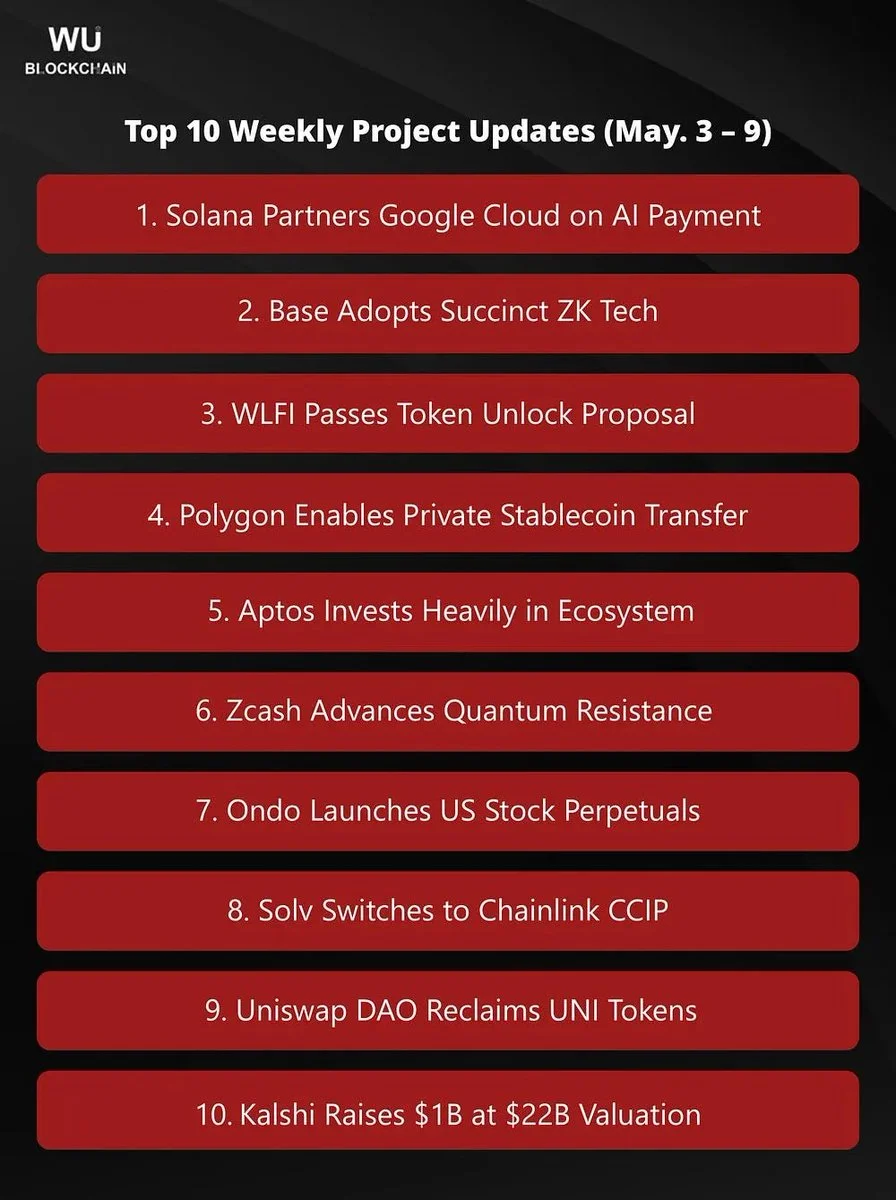

Base has moved to adopt zero-knowledge proofs for chain finality, joining a growing cohort of L2 networks trading optimistic rollup assumptions for cryptographic certainty. The shift, detailed in Wu Blockchain's weekly roundup, is aimed at cutting confirmation latency and tightening the security model Base inherits from Ethereum.
Polygon, separately, launched private stablecoin transfers, giving users a shielded path to move dollar-denominated value on its network without exposing counterparty details on-chain. The feature lands as stablecoin volumes continue to consolidate on a handful of L1 and L2 rails.
Why it matters
The two upgrades point in the same direction even as they look different on the surface. ZK finality is an infrastructure bet that cryptographic guarantees will outpace fraud-proof windows as the dominant L2 security model; private stablecoin transfers are a product bet that compliance-friendly privacy becomes table stakes for institutional on-chain dollar flows. Both moves also signal that the L2 competitive frontier has shifted from raw throughput to trust assumptions and feature differentiation.
Market impact
Elsewhere in the roundup, Kalshi closed a $1 billion round at a $22 billion valuation, underscoring continued venture conviction in regulated prediction markets. Zcash advanced its post-quantum roadmap, a slow-burn narrative that gains salience each time a major quantum-computing milestone hits the news cycle.
Source: [Weekly Project Updates: Base Adopts ZK for Finality, Polygon Launches Private Stablecoin Transfers, Kalshi Raises $1B at $22B Valuation, etc — Wu Blockchain](https://wublock.substack.com/p/weekly-project-updates-base-adopts)
Frequently asked questions
-
What does Base adopting ZK for finality actually change for users?
It replaces the optimistic rollup assumption — that transactions are valid unless challenged — with cryptographic proofs of validity. The practical effect is tighter finality: users and apps can rely on confirmed transactions without waiting out a challenge window.
-
How do Polygon's private stablecoin transfers work, and who are they for?
Polygon launched shielded transfers for stablecoins, letting users move dollar-denominated value on-chain without exposing counterparty details publicly. The feature is aimed at institutional and privacy-conscious users who need confidential settlement on a public rail.
-
Why did Kalshi raise at a $22B valuation?
Wu Blockchain's weekly roundup reports Kalshi closed a $1B round at a $22B valuation. The figure reflects continued venture conviction in regulated prediction markets, where Kalshi operates under CFTC oversight in the US.
-
What is Zcash's post-quantum roadmap about?
Zcash is advancing cryptographic upgrades designed to resist attacks from future quantum computers. It is slow-burn protocol work, but the project is positioning now rather than waiting for quantum hardware to mature.
-
Why do these L2 upgrades matter for the broader crypto market?
Base's ZK finality shift and Polygon's private stablecoin transfers both signal that the L2 competitive frontier has moved past raw throughput. Security assumptions and feature differentiation — privacy, finality guarantees — are now where L2s are competing for institutional and developer mindshare.

 WatcherGuru
 Crypto News
 CryptoSlate
 CoinTelegraph
 CoinDesk
 TheBlock