


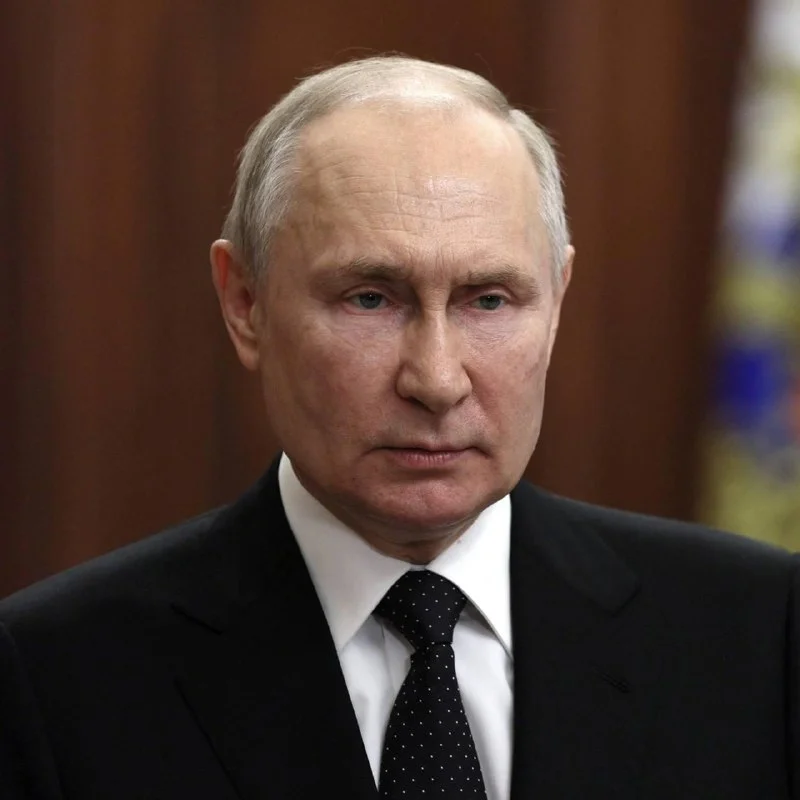
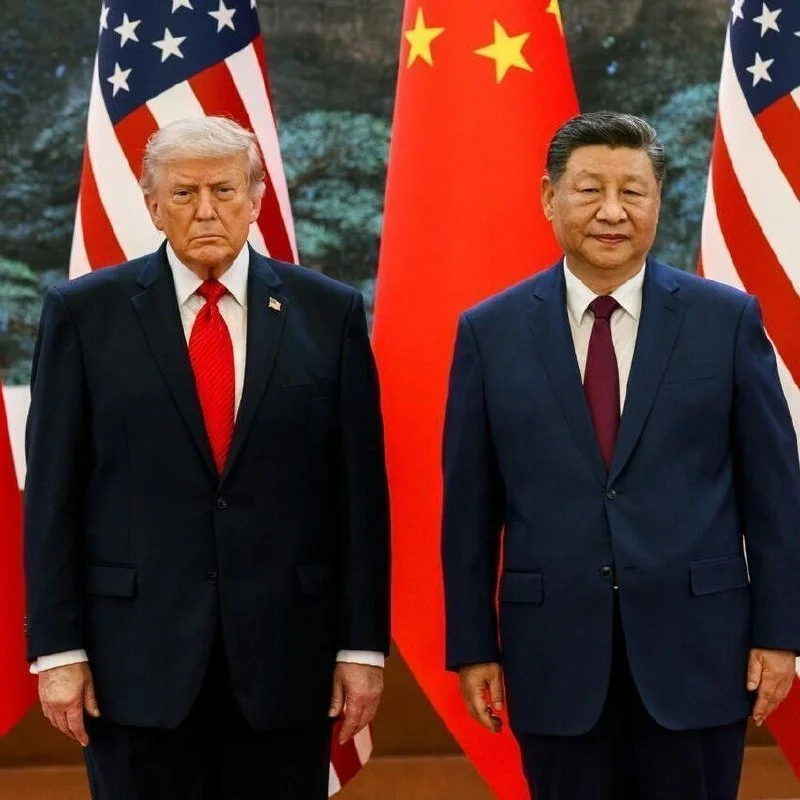
China confirmed that President Xi Jinping will host Donald Trump and Vladimir Putin in Shenzhen on Thursday for the first-ever trilateral summit involving the three leaders. The meeting places the world’s two largest powers and a central player in the Ukraine conflict at the same negotiating table.
Why it matters
The summit follows sustained strains in US-China trade and technology policy, alongside Moscow’s continuing confrontation with Western governments over the war in Ukraine. A direct meeting among the three leaders could create a channel for de-escalation or for clarifying disputes that have piled up across trade, security and geopolitical issues.
For global markets, the significance is not limited to any single announcement. Investors will watch whether the leaders establish a working framework for future talks and whether their governments can translate the meeting into concrete changes in trade, sanctions or security policy.
Market impact
The event introduces a new source of event risk for equities, currencies, commodities and digital assets. A constructive outcome could support broader risk appetite, while the failure to produce visible progress could reinforce concerns about geopolitical fragmentation. The immediate market signal will likely depend on what emerges from the meeting and how the three governments describe any commitments.
Frequently asked questions
-
Where will the Xi-Trump-Putin trilateral summit take place?
The summit will take place in Shenzhen, China, on Thursday.
-
Why is the three-leader meeting historically significant?
It is the first trilateral summit involving Xi Jinping, Donald Trump and Vladimir Putin, bringing the leaders of the United States, China and Russia together in one setting.
-
Which global issues are tied to the summit?
The meeting is linked to US-China trade and technology tensions, sanctions involving Russia and the continuing war in Ukraine.
-
How could the summit affect financial markets?
A constructive result could support risk appetite, while limited progress could reinforce concerns about geopolitical fragmentation across equities, currencies, commodities and digital assets.
-
What would investors watch after the meeting?
They will look for a framework for future talks and concrete changes in trade, sanctions or security policy.

 WatcherGuru
 TheBlock
 Crypto Capital Venture
 CryptoSlate
 Crypto News
 CoinDesk
 Altcoin Daily
 Crypto Rank News