








 CoinDesk
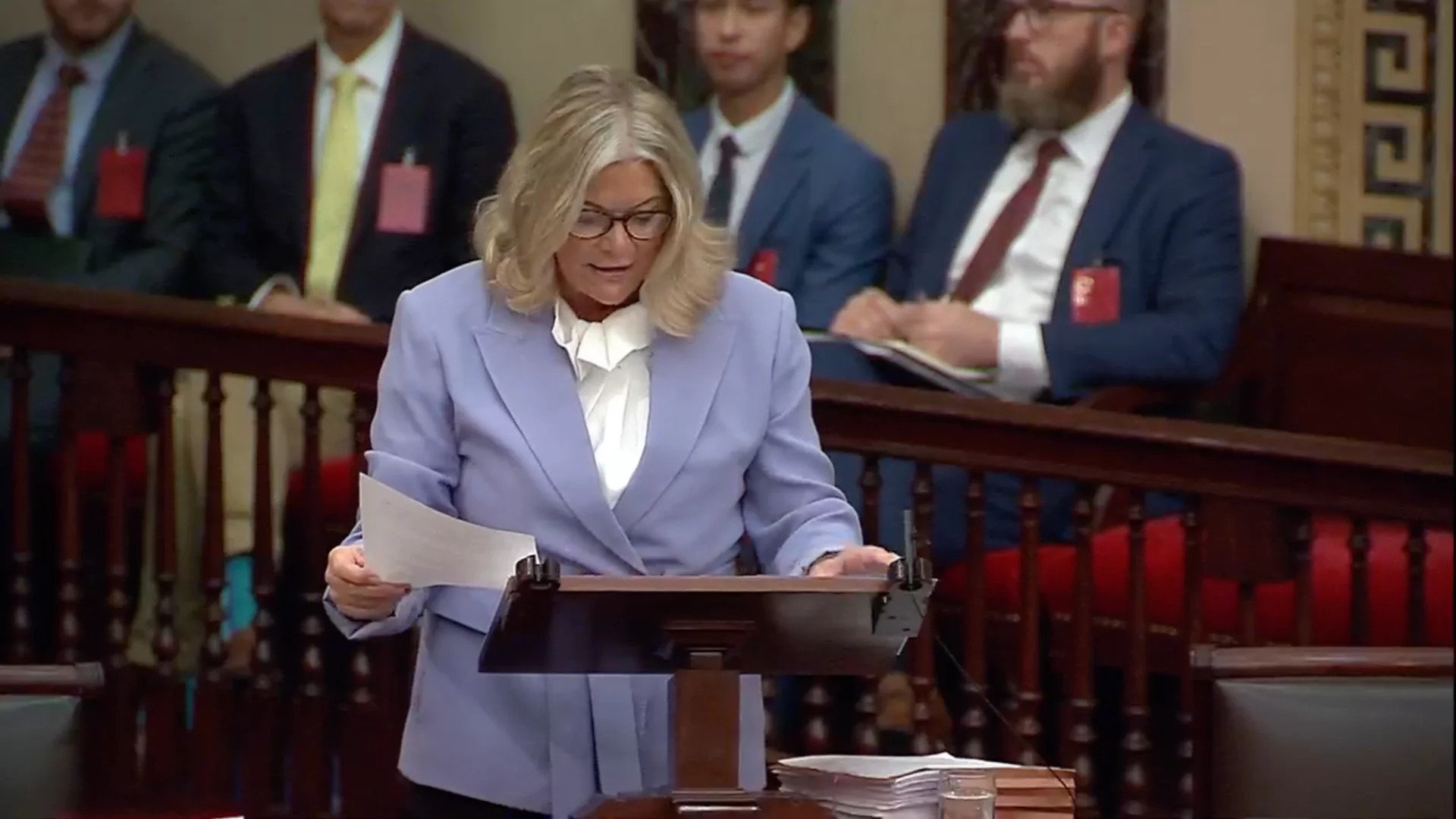



The U.S. Senate failed to advance the Clarity Act on Tuesday when the bill fell short of the 60-vote cloture threshold, the most concrete setback yet for the industry's push to lock digital-asset market structure into statute. The reaction from crypto executives was notably measured rather than panicked.
Why it matters
The vote costs momentum but does not unwind regulatory progress already underway at the SEC and CFTC. CFTC Chair Selig has directed staff to draft a market-structure regime under existing Commodity Exchange Act authority, and the SEC put Regulation Crypto Assets out for comment in August. Agency rules, though, can be rewritten by the next chair without a Senate vote. Repealing a statute takes another act of Congress, a bar few chairs manage to clear. The same gap swallows what the draft would have locked in: explicit Section 1960 protection for developers who never touch customer funds. Without statute, that protection is as easy to unwind as anything the agencies write on their own.
Market impact
Prediction markets had priced failure in, so the immediate sell-off stayed muted. The forward cost is sharper: firms setting 2027 budgets now face another prolonged delay, forcing them back into case-by-case judgments while counterparties continue to price in regulatory uncertainty. Capital waiting on the sidelines for clear legislation may simply move elsewhere. The stablecoin yield language that major bank trade groups lobbied against right up to the vote does not disappear with cloture. Europe has been operating under MiCA since December 2024; the U.S. remains stuck on agency discretion and a patchwork of state regimes. The House has canceled its weeks of September 21 and 28, and the Senate's state work period begins October 5, ahead of the November 3 election. The next Congress is now the realistic window.
Frequently asked questions
-
Why did the Clarity Act fail in the Senate?
It failed to clear the 60-vote cloture threshold needed to advance the bill to final passage on Tuesday.
-
What would the Clarity Act have done?
It would have locked digital-asset market-structure rules into statute, including explicit Section 1960 protection for developers who never touch customer funds.
-
Will banks and asset managers still build without it?
Industry executives say adoption will continue under SEC and CFTC agency rules, but statutory durability was what banks on the fence were waiting for.
-
When is the next chance for crypto market-structure legislation?
The House canceled its September weeks and the Senate's state work period begins October 5 ahead of the November 3 election, pushing realistic timing to the next Congress.
-
How does the U.S. regulatory approach compare to Europe's?
Europe has operated under MiCA since December 2024, while the U.S. remains dependent on agency discretion, proposed rules, and a patchwork of state regimes.
 Crypto News
 WuBlockchain
 CoinTelegraph
 WatcherGuru
 CryptoSlate
 TheBlock