


 CoinDesk
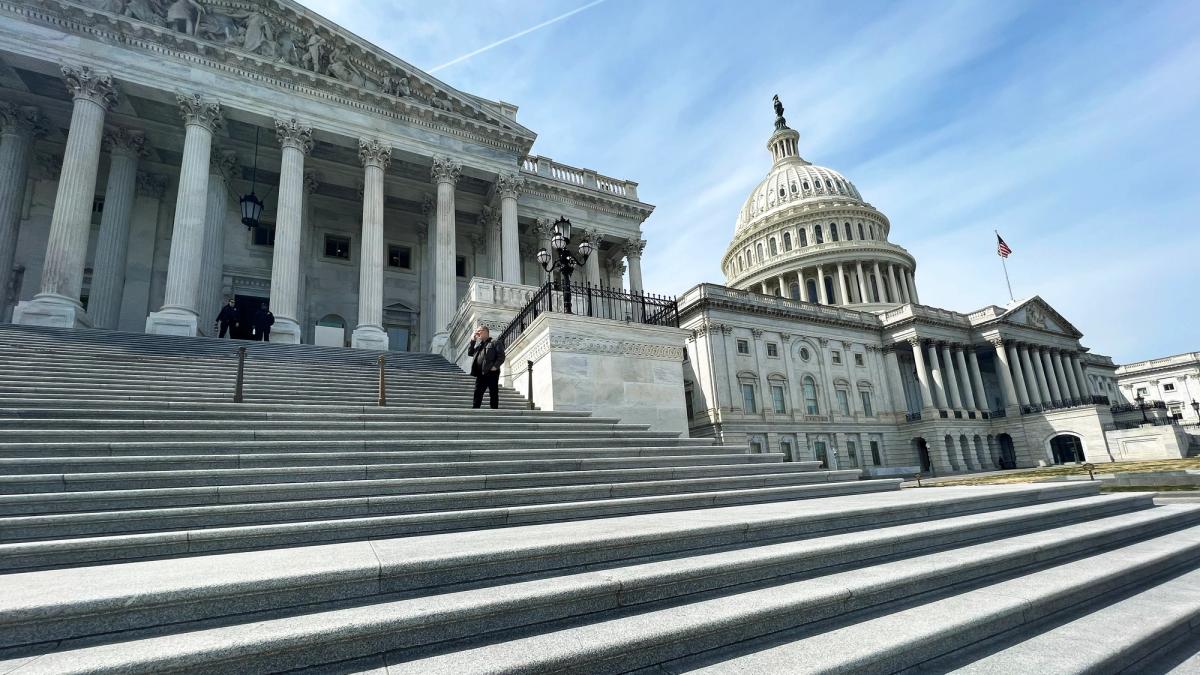


Democrats clinched both chambers of Congress on Tuesday night, projected to hold at least 54 Senate seats and more than 253 House seats after a blue wave that ran squarely against President Trump and his business ties, including his crypto ventures. The industry now enters January facing a Congress armed with subpoena power and a stack of unanswered records requests.
Senator Richard Blumenthal, incoming head of the Senate Permanent Subcommittee on Investigations, sent a fresh round of letters Thursday to World Liberty Financial, Fight Fight Fight LLC (the company behind the $TRUMP memecoin), Binance and Tether, alongside executives including Coinbase's Brian Armstrong, Gemini's Winklevoss twins, Kraken's Arjun Sethi and Ripple's Brad Garlinghouse. Responses are due Nov. 30, 2026, with the letter warning that failure to comply by Jan. 4, 2027 will force "alternative measures."
Why it matters
The legislative path is now steep. Any market structure bill must clear the Senate Banking Committee under Senator Elizabeth Warren and an Agriculture Committee likely chaired by Senator-elect Sherrod Brown, who beat back more than $60 million in opposition spending from Fairshake and the Digital Freedom Fund. Tax bills route through Senator Ron Wyden's Finance Committee. Rep. Maxine Waters is drafting a Democratic market structure bill one person familiar with the effort predicts the industry will find "frustrating," though it is unlikely to pass and will mainly define the party's position.
Kristin Smith, interim CEO of the Blockchain Association, said there is "a lot of self-reflection going on in the industry right now," adding that the past two years of relying on unified Republican control are over. The counterweight: stablecoins now have a federal framework under the GENIUS Act, so this is not a return to the existential-threat climate of 2024.
Market impact
Crypto PACs spent over $170 million combined in the 2026 cycle. Fairshake-backed candidates won 28 of 33 targeted races, but the PAC lost its biggest bets, including Wisconsin Rep. Bryan Steil and Michigan Rep. Bill Huizenga, and failed to stop Brown.
The deadline to watch is the Congressional Review Act: any regulation finalized by late spring or early summer of 2028 could be forcibly undone by a future Democratic trifecta within 60 legislative days. That is why the OCC and SEC are accelerating GENIUS and market structure rulemaking now, per Wintermute's Ron Hammond.


Frequently asked questions
-
How many seats did Democrats win in the 2026 midterm election?
Democrats are projected to hold at least 54 Senate seats and more than 253 House seats, with leads in the outstanding Senate races in Mississippi and Alaska as of Friday afternoon.
-
Which crypto companies received Senator Blumenthal's records requests?
World Liberty Financial, Fight Fight Fight LLC (the company behind the $TRUMP memecoin), Binance and Tether, plus executives including Brian Armstrong, the Winklevoss twins, Arjun Sethi and Brad Garlinghouse. Responses are due Nov. 30, 2026.
-
Can any crypto legislation still pass under the new Congress?
The chances are slim. Any market structure bill must clear the Senate Banking Committee under Elizabeth Warren and an Agriculture Committee likely chaired by Sherrod Brown, while tax bills route through Ron Wyden's Finance Committee.
-
What is the Congressional Review Act risk for crypto rules?
Under the CRA, any regulation finalized by late spring or early summer 2028 can be forcibly withdrawn by a future Congress and president within 60 legislative days. This deadline is why the OCC and SEC are accelerating rulemaking now.
-
How much did crypto PACs spend in the 2026 election and what did they get?
Crypto PACs spent over $170 million combined. Fairshake-backed candidates won 28 of 33 targeted races, but the PAC lost its biggest engagements, including efforts to defeat Senator-elect Sherrod Brown.
 CryptoSlate
 WatcherGuru
 Altcoin Daily