








 CoinDesk
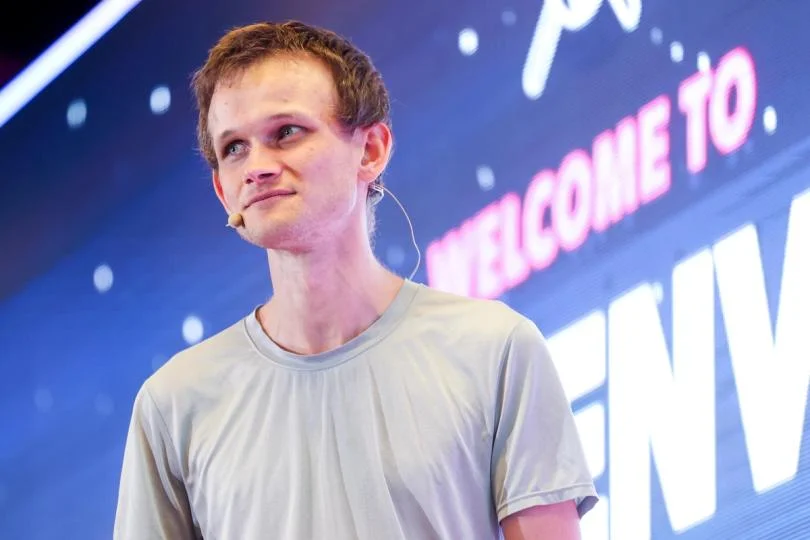


Ethereum's leading developers have broadly welcomed Vitalik Buterin's updated "Lean Ethereum" strawmap, praising its emphasis on recursive STARKs, on-chain privacy and quantum-resistant cryptography. But several prominent figures, including StarkWare co-founder Eli Ben-Sasson and former Ethereum Foundation researcher Dankrad Feist, are pressing for faster execution, arguing that a three-to-four-year timeline is too slow and that quantum readiness in particular cannot wait that long. Feist went further, suggesting recent advances in AI coding tools could compress development to roughly one year.
Why it matters
The Lean Ethereum strawmap, originally published in February and updated earlier this week, calls for sweeping changes across consensus, scaling, and cryptography. Putting recursive STARKs at the center of the roadmap marks a notable philosophical shift from earlier years when much of the Ethereum community was openly skeptical of the technology. Privacy and quantum safety, both framed by Buterin as top priorities, also reflect a longer-term threat model that goes well beyond throughput.
Barnabé Monnot, a researcher at the Ethereum Foundation, noted that some upgrades aimed at speeding up block production have been pushed further out, while consensus-layer changes have moved up. Several previously proposed features have also been dropped, a trade-off Monnot said could ultimately deliver faster finality and stronger censorship resistance.
Market impact
The reception suggests Ethereum's research community is largely aligned on direction, with the active debate now centered on execution speed rather than the underlying thesis. Ben-Sasson did flag open technical questions, including the meaning of proposed new blockchain "state" types and who would be affected, calling for further explanation. For investors, the takeaway is that the strategic destination is intact while the timeline becomes the swing variable: a compressed roadmap could reinforce ETH's positioning against faster rivals, while any slippage past 2028 risks widening the gap with high-throughput L1s already in market.

Frequently asked questions
-
What is the Lean Ethereum strawmap?
It is a long-term roadmap published by Vitalik Buterin, originally in February and updated earlier this week, calling for sweeping changes to make Ethereum faster, cheaper, more private and resistant to quantum threats.
-
What is Ethereum's biggest technical shift in the Lean roadmap?
Putting recursive STARKs, a cryptographic technique that makes the network easier to verify, at the center of the roadmap. Researchers said this marks a major change from earlier years when much of the Ethereum community was skeptical of the technology.
-
Why are developers pushing for a faster timeline?
StarkWare co-founder Eli Ben-Sasson said a three-to-four-year timeline is "way too long," especially for quantum readiness. Dankrad Feist argued Ethereum should aim to ship the changes in roughly one year, suggesting AI coding tools could help compress development.
-
What features were dropped or delayed in the updated roadmap?
According to Ethereum Foundation researcher Barnabé Monnot, some upgrades aimed at speeding up block production have been pushed further into the future, several previously proposed features were removed, and consensus-layer changes moved up the roadmap.
-
What is the market takeaway for ETH from this reception?
The research community is aligned on the destination, with the active debate now centered on execution speed. A compressed timeline could reinforce ETH's positioning against faster L1s, while any slippage risks widening the competitive gap.
 WatcherGuru
 WuBlockchain
 CoinTelegraph