


 CoinDesk
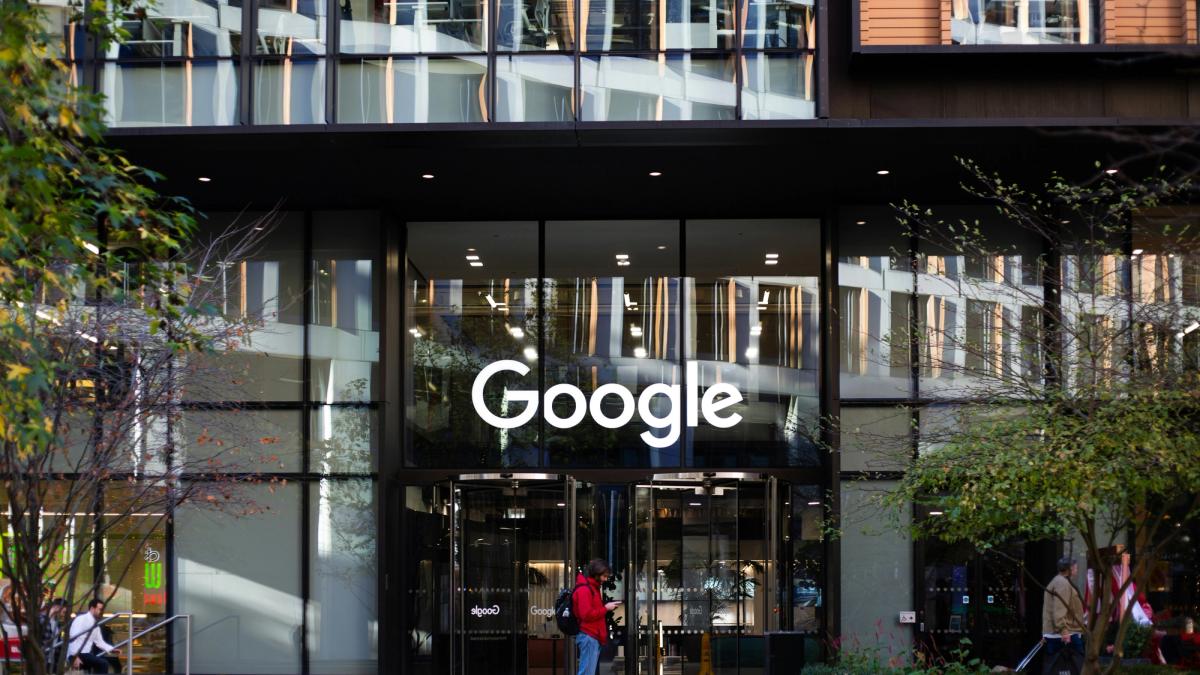


Google Multi-Party Compute is in private preview, with major financial institutions testing the service and Alphabet using it to secure digital assets on Ethereum and Solana. Google plans commercial availability in early 2027. The system splits signing-key control across separate environments and checks transactions against institutional rules before signing, aiming to limit the damage from a compromised machine or unauthorized transfer.
Why it matters
Private-key compromises accounted for 43.8% of cryptocurrency stolen in 2024, according to Chainalysis. The system keeps the complete key from being stored in one place, while allowing institutions to distribute key shares across Google Cloud, their own hardware and other cloud providers. Google says customers retain control of their key material and that Google cannot access it in unencrypted form.
The policy engine can check transfer limits, destination wallets and approval requirements before a transaction is signed. That gives banks a way to use cloud infrastructure without handing one provider all the credentials needed to move assets. It does not eliminate provider risk or prevent every threat, including cases where a legitimate user is deceived into approving a malicious transaction.
Market impact
Google is entering a market served by specialist firms including Fireblocks, Fordefi and BitGo. Its banking relationships and cloud infrastructure could appeal to institutions seeking to build their own custody services, but adoption will depend on how they assess provider risk and configure signing participants and approval rules.
Google says the architecture can support future post-quantum cryptography upgrades. Current protections focus on compromised credentials and unauthorized transactions, not a hypothetical break of the cryptography behind blockchain signatures. The product is designed to support ECDSA and Ed25519 signing at general availability; Google has not provided a timetable for post-quantum signing.


Frequently asked questions
-
How does Google Multi-Party Compute protect digital-asset keys?
It distributes key shares across separate environments so the complete private key is not stored in one place. Multiple pieces of cryptographic information must work together to authorize a transaction.
-
What transaction controls can institutions configure?
Institutions can set limits on transfer amounts, restrict destination wallets and require approvals from multiple departments before signing.
-
Which blockchains is Alphabet using the service to secure?
Alphabet is using Google Multi-Party Compute to secure its digital assets on Ethereum and Solana.
-
When does Google plan to make the custody service commercially available?
Google plans commercial availability in early 2027. The service is currently in private preview.
-
Does the service currently protect against quantum attacks?
Current protections focus on compromised credentials and unauthorized transactions. Google says the architecture can support future post-quantum upgrades but has not given a timetable for them.
 WatcherGuru
 CryptoSlate
 TheBlock
 Lookonchain
 CoinTelegraph