








 CoinDesk
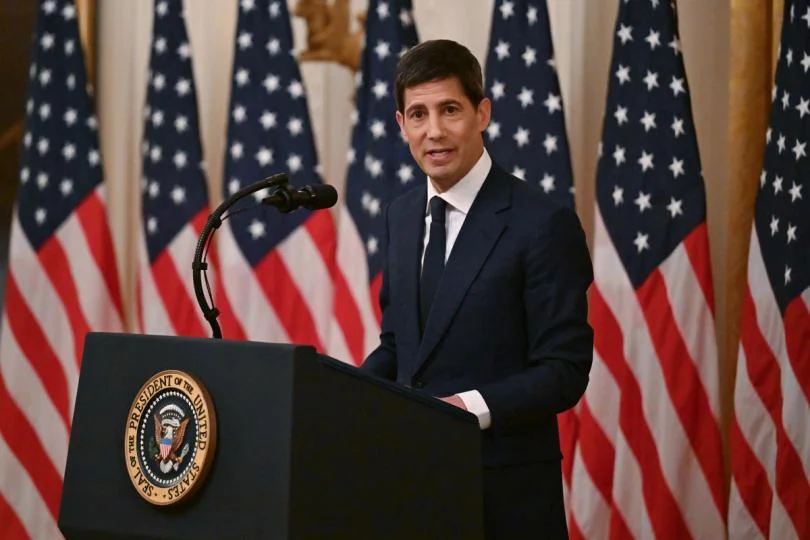


Kevin Warsh chairs his first Federal Reserve policy meeting today, with the funds rate fully priced to hold at 3.50%-3.75% through year-end. Investors are looking past the rate decision itself for clues about how the new chair plans to reshape the central bank's communication with markets.
Bank of America expects Warsh and the rest of the FOMC to adopt a more hawkish tone than his predecessor, reflecting stronger-than-expected payrolls and persistent inflation pressures. The bank forecasts policymakers will remove language that has favored future rate cuts and upgrade their assessment of the labor market after upside surprises in recent payroll prints.
Why it matters
The bigger story may be Warsh himself. For years he has argued the Fed became too reliant on forecasts, speeches and forward guidance. In a Wall Street Journal profile published Sunday, Warsh's advice to the central bank last year was blunt: "Stop talking so much. More thinking, less talking." At a State Street conference he went further: "If you're not very good at something, you should do less of it. These forecasts have been abysmal."
Bank of America sees a real chance Warsh declines to submit his own projections to the Summary of Economic Projections — a step that would put his long-standing critique of forward guidance into action. Either way, his first press conference as chair will draw more scrutiny than the statement itself.
Market impact
BofA expects the new dot plot to show rates unchanged through 2026 before modest cuts in 2027 and 2028, while acknowledging rising inflation risks and a lower willingness to look through price shocks. Markets are already ahead of the central bank — high odds of one or more hikes are priced in — so the risk is asymmetric: a chair who sounds more hawkish than expected strengthens the dollar and pressures stocks and bonds, while a dovish surprise would unwind that trade.
Warsh's opening move is also a test of whether the Fed can quietly dial back the era of unprecedented transparency without triggering the volatility that came with it.
Frequently asked questions
-
What is the Fed expected to do with interest rates at Warsh's first meeting?
Markets fully expect the Federal Reserve to leave its benchmark fed funds rate range unchanged at 3.50%-3.75% at the conclusion of the two-day policy meeting, with rates projected to stay steady through year-end.
-
How does Bank of America expect Kevin Warsh to shift the Fed's communication?
BofA expects a more hawkish tone, including removal of language favoring future rate cuts, an upgraded labor-market assessment after upside payroll surprises, and acknowledgment of rising inflation risks with less willingness to look through price shocks.
-
Could Warsh decline to submit his own rate projections to the SEP?
Bank of America sees a real chance Warsh refuses to submit his own projections to the Summary of Economic Projections, a move that would put his long-standing critique of forward guidance into practice on his first meeting as chair.
-
What has Warsh said about Fed forecasting and forward guidance?
Warsh has argued the Fed became too reliant on forecasts, speeches and forward guidance. Per the Wall Street Journal, his advice was "Stop talking so much. More thinking, less talking," and he told a State Street conference that the forecasts have been "abysmal."
-
How might a hawkish Warsh affect markets?
BofA notes that a chair sounding more hawkish than expected could strengthen the dollar and pressure stocks and bonds, while a dovish surprise would unwind trades already built on high odds of one or more rate hikes this year.
 WatcherGuru
 CoinTelegraph
 Crypto News
 CryptoSlate