








 CoinDesk
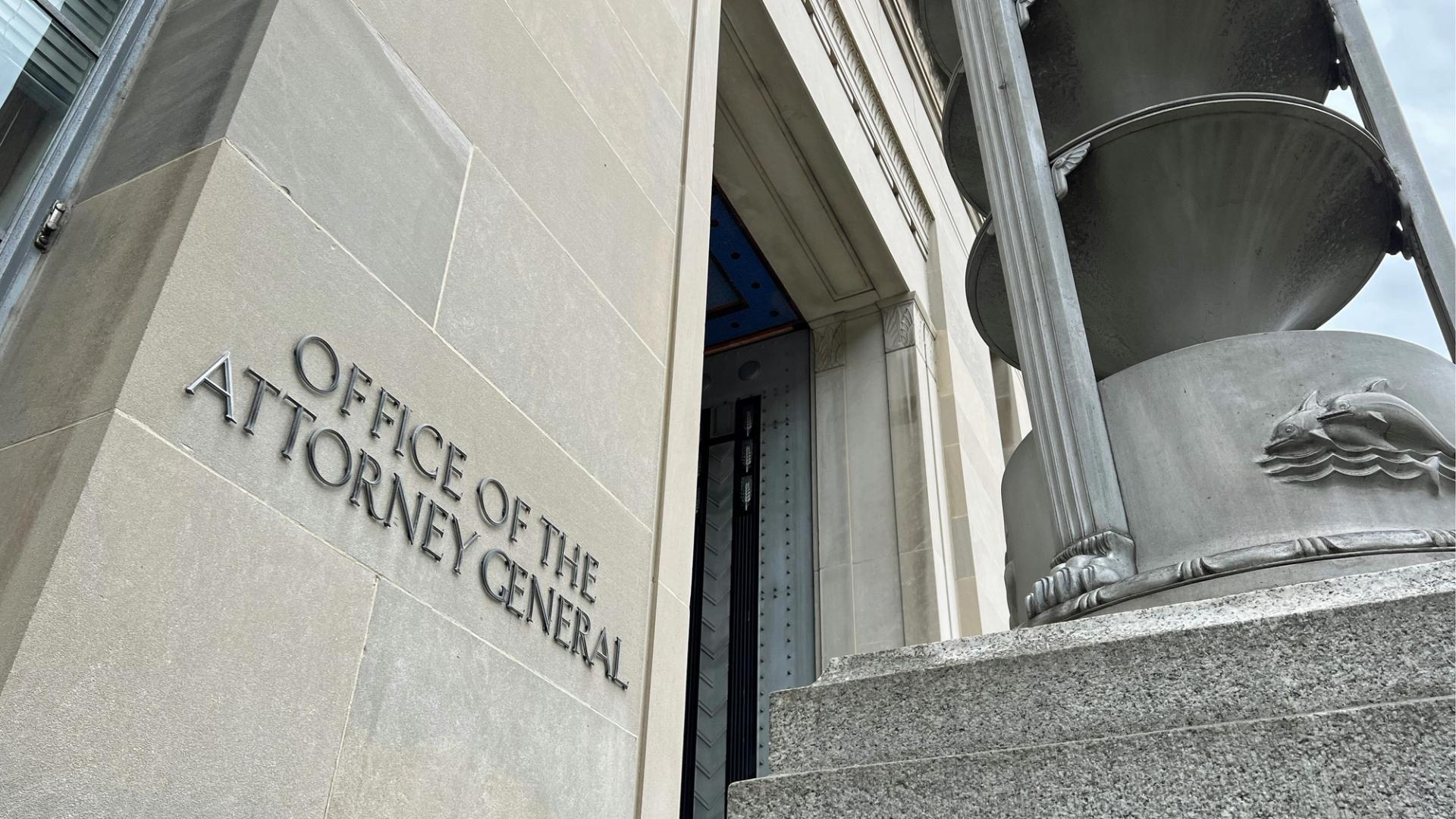



Federal prosecutors have charged two Robinhood engineers, Hefu Chai and Huaisong Xiang, with commodities and wire fraud for allegedly using confidential token listing data to trade perpetual futures on Hyperliquid. Prosecutors say Chai traded ahead of at least 10 Robinhood Crypto listing announcements and Xiang ahead of at least 11, each pocketing more than $50,000 between 2025 and 2026.
Both men were designated "Coin Aware Individuals" with access to a private Slack channel containing planned listings. Robinhood policy barred them from trading those tokens on any platform before, and for 24 hours after, a public announcement. A Robinhood spokesperson said the company immediately investigated and reported the matter to law enforcement.
Why it matters
The case establishes that trading derivatives on decentralized platforms does not shield traders from federal fraud laws. Prosecutors explicitly framed perps trading on Hyperliquid as falling within the same enforcement framework used for classic corporate insider trading, a significant precedent for the DeFi derivatives sector.
Market impact
Each defendant faces up to 10 years in prison if convicted. The charges land as regulators sharpen their view of perpetuals, a product that lets traders take leveraged positions without owning the underlying asset. The case follows the insider trading charge against Jane Street over an alleged Telegram backchannel used to dump $192 million of TerraUSD before its 2022 collapse, signaling that fraud enforcement now reaches across both TradFi and on-chain venues.

Frequently asked questions
-
Who are the Robinhood engineers charged with insider trading?
Hefu Chai, 36, and Huaisong Xiang, 30, both Robinhood engineers, were charged with commodities fraud and wire fraud by federal prosecutors for allegedly trading on confidential listing information.
-
How much profit did the defendants allegedly make?
Prosecutors allege Chai traded ahead of at least 10 Robinhood listing announcements and Xiang ahead of at least 11, with each earning more than $50,000 between 2025 and 2026.
-
Why did they trade on Hyperliquid instead of a regular exchange?
They allegedly used Hyperliquid perpetual futures to take positions without owning the tokens. Prosecutors said the decentralized venue did not shield the trades from commodities and wire-fraud laws.
-
What penalties do the Robinhood engineers face?
Each defendant could face up to 10 years in prison if convicted of commodities and wire fraud charges.
-
How did Robinhood respond to the charges?
A Robinhood spokesperson said the company has zero tolerance for insider trading, immediately investigated, reported the matter to law enforcement and regulators, and will continue cooperating with their investigations.
 Crypto News
 WuBlockchain
 TheBlock
 CoinTelegraph
 WatcherGuru