








 CoinDesk
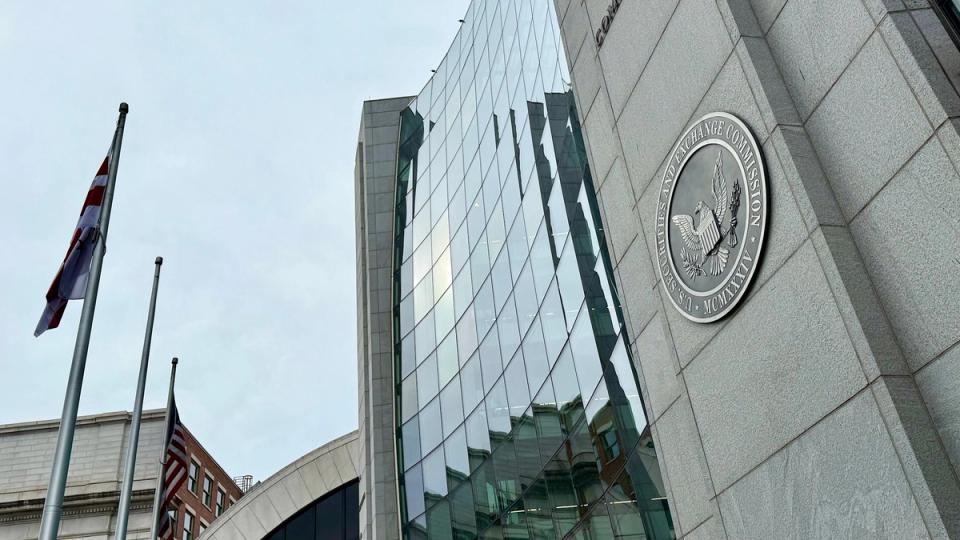


The SEC delayed its plan to allow tokenized U.S. stocks last week, and the pause is being framed as a setback by most of the market. Chamarajnagar, a CEO who has spent two decades building compliance infrastructure from VMware mobile-device security through to today's digital-asset markets, called the move a relief, not a frustration. Michael Burry, the investor who shorted the 2008 housing market, warned the original plan could trigger a systemic event, and Chamarajnagar argues the danger is structural: legacy compliance is built for checkboxes, not for the real-time, cross-jurisdictional context that tokenized equities will demand.
Why it matters
The core problem is the gap between T+2 settlement and the real-time execution tokenization requires. Current systems evaluate trades after the fact. Once equities settle in seconds, the rules-based layer is no longer fast enough to catch what the rules were written to catch. Chamarajnagar points to a familiar pattern: Lazarus Group moved $600 million through Tornado Cash and the Ronin Bridge with no sanctioned wallets flagged, no prohibited tokens blocked, and every protocol box ticked. FTX complied on paper until customer funds were commingled. Mango Markets was hacked while its oracle protocol stayed compliant. The fraud lived in the context, not the code, which is exactly what rule-checking systems cannot see.
Market impact
Chamarajnagar's prescription is a 12 to 24 month sprint toward cognitive compliance, with four concrete layers: real-time multi-source regulatory intelligence that ingests enforcement actions and geopolitical signals before OFAC lists update, relationship-graph context that maps wallets to owners, custodians and jurisdictions, behavioral and pattern intelligence that flags anomalies that are technically legal but structurally suspect, and adaptive risk scoring that adjusts in milliseconds rather than after the fact. Without that stack in place before tokenized U.S. equities go live, he argues, retail investors become collateral damage and the next FTX looks small by comparison. The SEC delay is not the obstacle to tokenization, it is the only window the industry has to build the infrastructure that decides whether tokenized equities become the next subprime or the next settlement layer.
Frequently asked questions
-
Why did the SEC delay tokenizing U.S. stocks?
The Commission paused its tokenized-equities plan last week. Chamarajnagar and Michael Burry argue the delay is needed because legacy rules-based compliance cannot keep up with real-time T+0 settlement, leaving retail investors exposed to the same context-level fraud that hit FTX and the Ronin Bridge.
-
What is cognitive compliance and how is it different from current systems?
Cognitive compliance evaluates the full context of a transaction in real time: wallet ownership, custodian and exchange relationships, jurisdiction footprint, and behavioral patterns. Rules-based compliance checks static boxes like sanctions lists and prohibited tokens, which Lazarus Group, FTX, and Mango Markets all…
-
How much money was lost in past compliance failures mentioned in the piece?
Lazarus Group moved $600 million through Tornado Cash and the Ronin Bridge with no sanctioned wallets flagged and no prohibited tokens blocked. FTX and Mango Markets are cited as cases where protocols stayed compliant on paper while fraud occurred in the surrounding context.
-
What timeline is being proposed for building cognitive compliance?
Chamarajnagar argues the jump from AI-assisted to cognitive compliance must happen within 12 to 24 months, before tokenized U.S. equities go live. He frames that window as the only chance to prevent retail investors from becoming collateral damage in the next systemic event.
-
What are the four layers of cognitive compliance the piece recommends?
Multi-source real-time regulatory intelligence, relationship-graph context linking wallets to entities, behavioral and pattern intelligence that flags legal but suspect activity, and adaptive risk scoring that adjusts in milliseconds. Chamarajnagar argues no one has yet assembled these into a holistic cognitive…
 TheBlock
 CoinTelegraph
 WatcherGuru
 Crypto News
 Altcoin Daily