








 CoinDesk
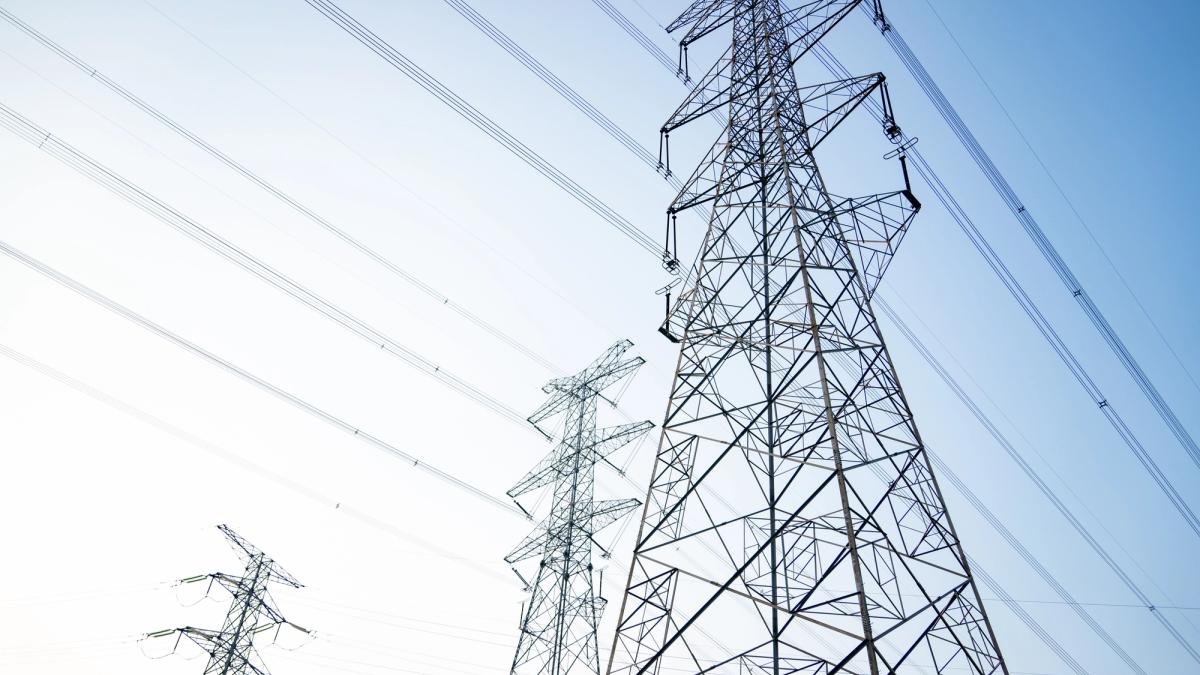



The Ratepayer Protection Act fell short in the U.S. Senate, where 57 senators voted to advance it and 43 opposed, below the 60 votes needed. The bill would require state utility regulators and certain utilities to consider standards making computing facilities with peak electricity demand of at least 100 megawatts cover the full incremental costs of the generation and grid upgrades needed to serve them. States would retain the choice to adopt those standards. The House passed the measure 417–3.
Why it matters
The vote leaves unresolved a central question for the expanding AI and digital economy: how to build the power infrastructure large data centers need without shifting their costs to households and small businesses. Electricity supply, utility connections and community confidence can all affect whether a proposed facility moves forward and how quickly it can be built.
The debate also reaches beyond energy bills. Grid rules can influence where data centers locate and where investment in computing capacity flows. Those facilities support AI, digital assets and other services that depend on the same physical infrastructure, making cost allocation one part of a broader policy discussion about the digital infrastructure stack.
Earlier this year, the president and leaders of major technology companies agreed to the Ratepayer Protection Pledge. Amazon, Google, Meta, Microsoft, OpenAI, Oracle and xAI committed to covering the cost of new power generation required for their data centers. In July, the White House announced an expansion that brought more than 200 additional utilities, developers, cooperatives and states into the effort.
Market impact
The failed vote does not end the policy debate. Congress and states are expected to continue weighing how to assign infrastructure costs, protect customers and give developers predictable rules before they commit capital. The bill's supporters argue large new power users should account for the infrastructure required to serve them, while the broader buildout also depends on permitting, equipment, transmission and generation.
Frequently asked questions
-
How many Senate votes did the Ratepayer Protection Act receive?
The measure received 57 votes to advance and 43 against, falling short of the 60 votes required.
-
Which data centers would the bill's cost standards cover?
It would require regulators and certain utilities to consider standards for computing facilities with peak electricity demand of at least 100 megawatts.
-
Would the federal bill require every state to adopt the standards?
No. States would retain authority to decide whether to adopt the standards.
-
What did major technology companies promise under the Ratepayer Protection Pledge?
Amazon, Google, Meta, Microsoft, OpenAI, Oracle and xAI committed to covering the cost of new power generation required for their data centers.
-
Why does the ratepayer debate matter for AI infrastructure?
Rules for assigning grid costs can affect where data centers locate and how quickly projects proceed, while permitting, equipment, generation and transmission also constrain expansion.
 CryptoSlate
 CoinTelegraph
 WatcherGuru
 TheBlock
 Crypto News
 WuBlockchain