








 CoinDesk
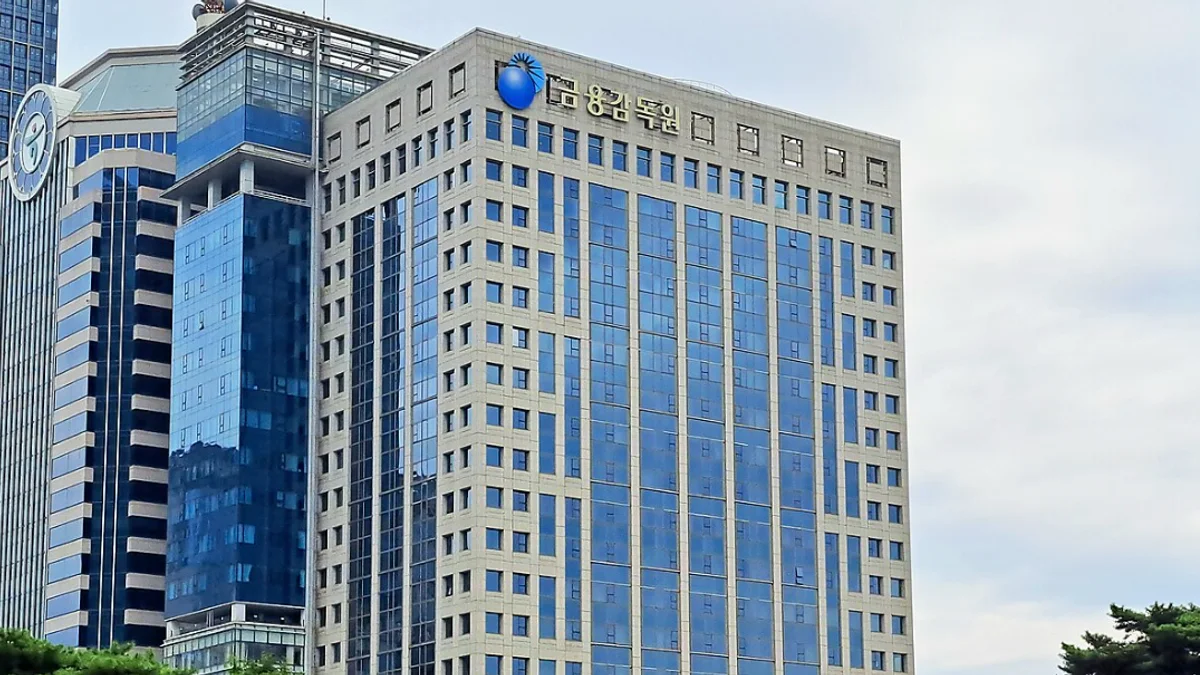


South Korea plans closer scrutiny of cryptocurrency transfers involving high-risk overseas exchanges and private wallets, alongside tougher registration and screening requirements for crypto businesses. Authorities also want to expand a phishing-account suspension system to other serious financial crimes, a change that requires legislation.
Financial institutions temporarily froze more than 11,500 accounts suspected of involvement in phishing scams between June 30 and the end of October, according to the Financial Services Commission. Chairman Lee Won-geon announced the proposed measures at an anti-money laundering event, Yonhap reported.
Why it matters
The plans would tighten oversight of transfers to personal wallets, where users can hold crypto outside regulated trading platforms, and to foreign exchanges deemed high-risk. Regulators blocked access to 27 unregistered exchanges in October, including KuCoin, BitMart and MEXC, after previously restricting their mobile applications.
Authorities also want to extend anti-money laundering obligations to lawyers, accountants and tax advisers and collect more information about the owners of companies and trusts.
Market impact
The proposals add to compliance pressures on crypto businesses and users transferring assets abroad. In March, Bithumb was fined $24 million and received a six-month partial suspension over customer identification and transaction restriction failures.
Separately, the FSC was expected to outline a proposed Digital Asset Basic Act covering exchanges, custodians and won-denominated stablecoins, Yonhap reported. The broader account-freeze powers have not yet taken effect.
Frequently asked questions
-
Which crypto transfers would face closer scrutiny?
South Korea plans closer scrutiny of transfers involving high-risk overseas exchanges and private wallets, where users can hold crypto outside regulated trading platforms.
-
Are the broader account-freeze powers already in effect?
No. Expanding the phishing-account suspension system to other serious financial crimes requires a legal change.
-
How many accounts were frozen under the existing system?
Financial institutions temporarily froze more than 11,500 accounts suspected of involvement in phishing between June 30 and the end of October.
-
Which exchanges were affected by the October access blocks?
Regulators blocked access to 27 unregistered exchanges, including KuCoin, BitMart and MEXC, after previously restricting their mobile applications.
-
What would the proposed Digital Asset Basic Act cover?
The proposed legislation would introduce broader rules for crypto exchanges, custodians and won-denominated stablecoins.
 WuBlockchain
 CryptoSlate
 CoinTelegraph
 TheBlock