








 WatcherGuru
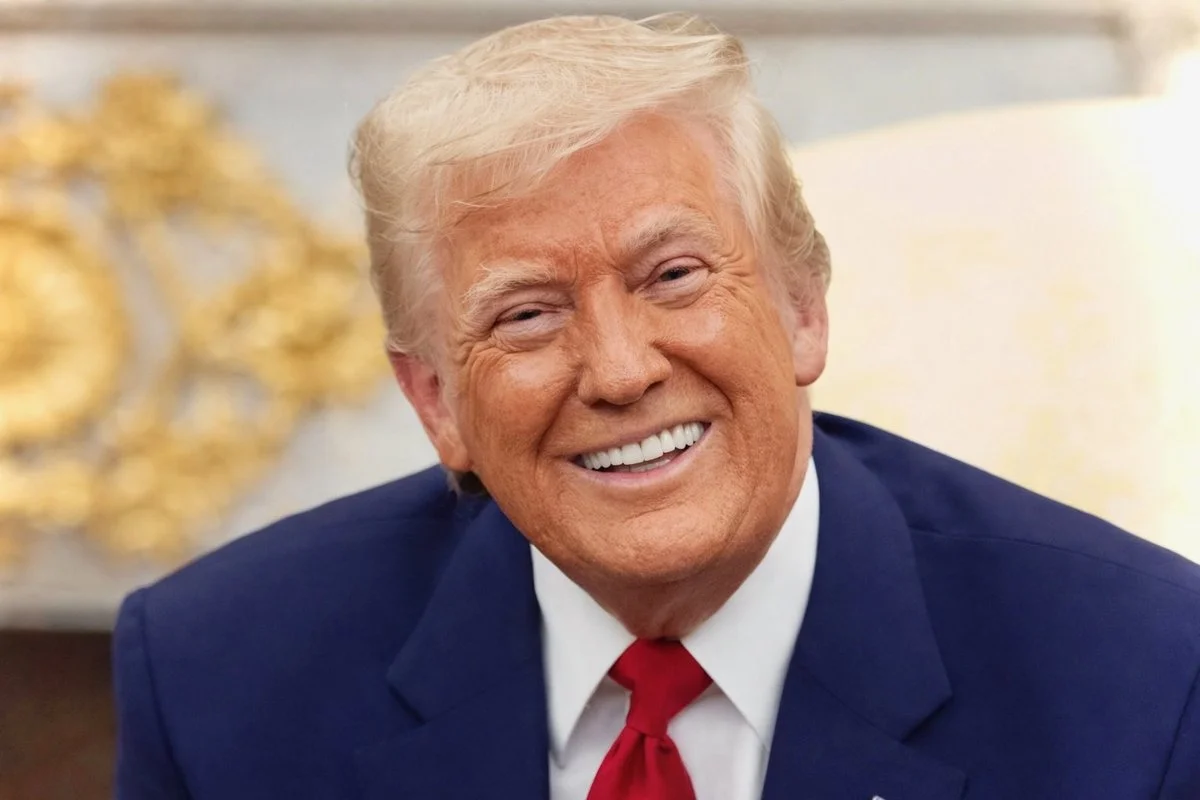
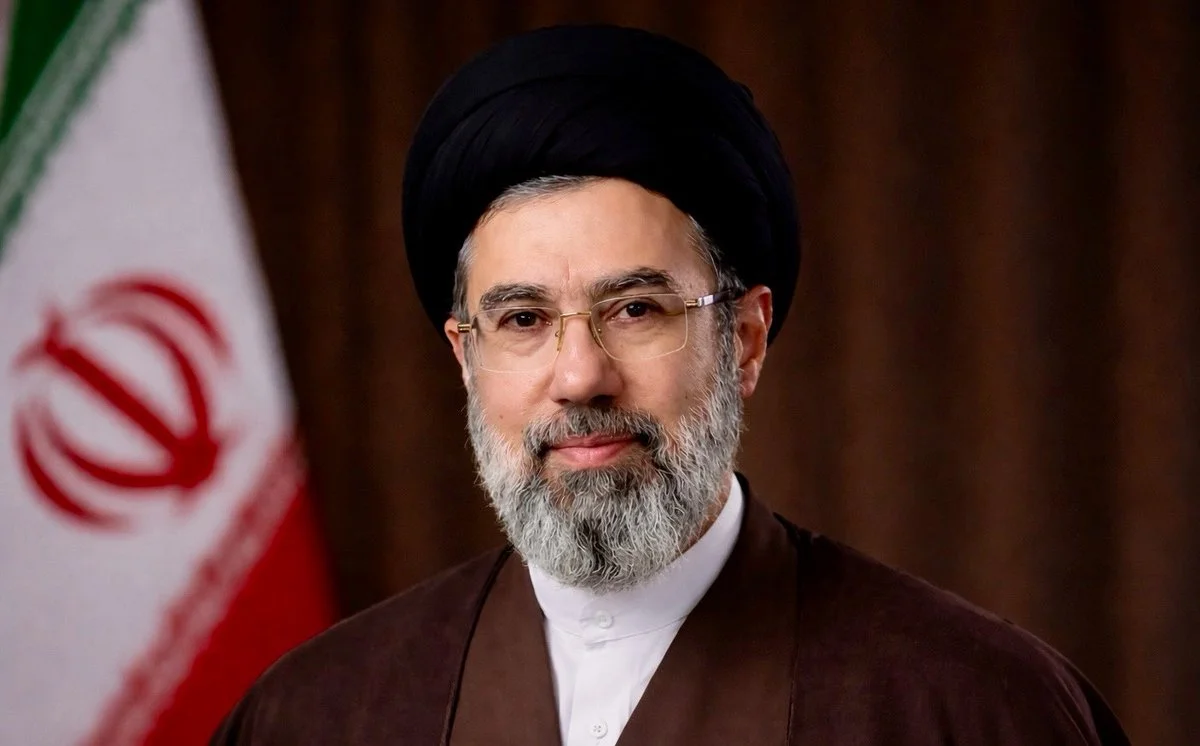
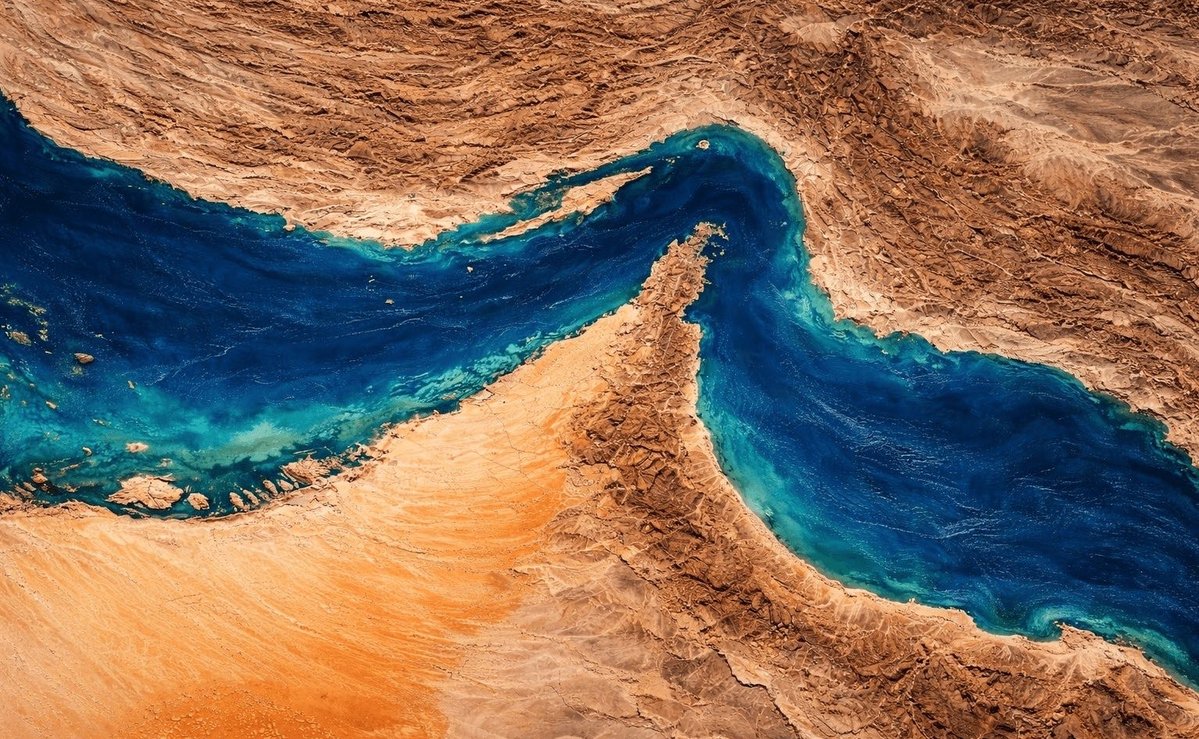
President Donald Trump announced that a peace deal with Iran is scheduled to be signed tomorrow, with the Strait of Hormuz set to remain "open to all" as part of the agreement. The declaration marks a dramatic shift in US-Iran relations and removes one of the most consequential geopolitical risk premiums embedded in global energy and financial markets.
Why it matters
The Strait of Hormuz is the world's single most critical oil chokepoint, with roughly 20% of global petroleum supply transiting the waterway daily. Any credible threat to its closure has historically triggered immediate spikes in oil prices and risk-off moves across equities, bonds, and crypto. A formal peace deal that guarantees open passage removes that tail risk from the table — at least in the near term — and represents a significant de-escalation of Middle East tensions that have weighed on market sentiment for years.
For crypto markets specifically, geopolitical de-escalation tends to rotate capital back into risk assets. Bitcoin and broader digital assets have historically benefited from macro stability, as institutional allocators become more comfortable extending risk exposure when energy-price volatility and war-premium uncertainty recede.
Market impact
Oil markets are likely to reprice lower on the news as the Hormuz closure risk premium deflates. Equities, particularly energy-sensitive sectors, should see relief. For BTC and risk assets broadly, the removal of a major geopolitical overhang is a net positive — watch for institutional flows to accelerate if the deal is formally signed as announced.

Frequently asked questions
-
Why does the Strait of Hormuz matter so much to global markets?
Roughly 20% of the world's daily petroleum supply transits the Strait of Hormuz, making it the single most critical oil chokepoint on the planet. Any credible threat to its closure historically triggers immediate oil price spikes and risk-off moves across equities, bonds, and crypto.
-
How could a US-Iran peace deal affect Bitcoin and crypto markets?
Geopolitical de-escalation tends to reduce the war-risk premium priced into global markets, lowering energy-price volatility and increasing institutional appetite for risk assets. Bitcoin and broader crypto markets have historically benefited from macro stability as allocators become more comfortable extending risk…
-
What happens to oil prices if the Hormuz deal is confirmed?
Oil markets are expected to reprice lower as the Strait of Hormuz closure risk premium deflates. Energy-sensitive equity sectors should also see relief, while the removal of this geopolitical overhang is broadly positive for risk assets.
 Benjamin Cowen
 CoinTelegraph
 WuBlockchain
 Crypto Capital Venture
 CoinDesk