








 WatcherGuru
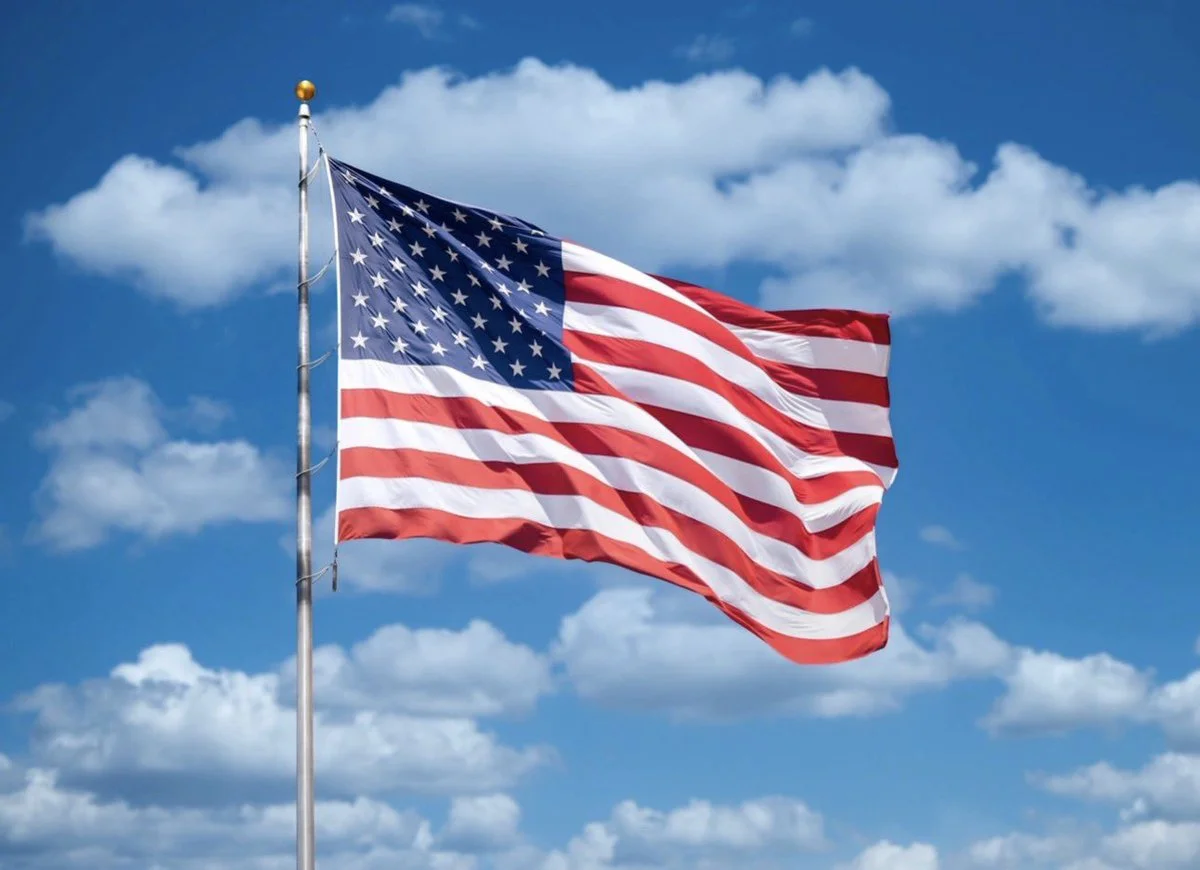
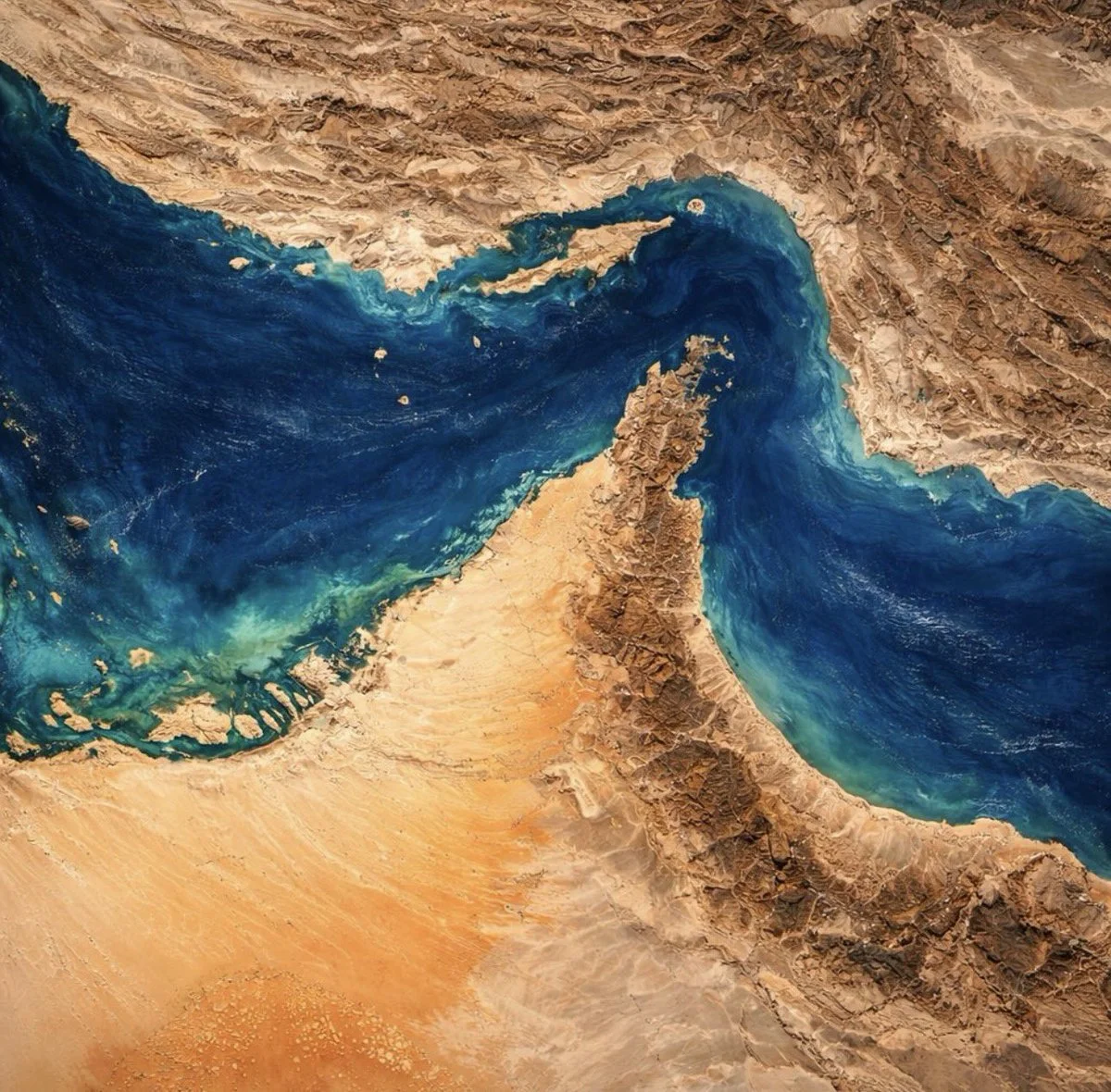
The US Military has officially confirmed that the blockade on the Strait of Hormuz has been lifted, removing one of the most acute geopolitical pressure points global energy markets have faced in recent memory. The strait is the single most critical oil transit chokepoint on the planet, responsible for roughly 20% of global crude and LNG flows.
Why it matters
A sustained Hormuz blockade carries systemic consequences well beyond oil: energy price spikes feed directly into inflation expectations, compress corporate margins, and tighten the macro backdrop for risk assets including crypto. With the blockade now lifted, that tail risk is off the table — at least for now. Commodity traders, central bank watchers, and crypto macro desks will all be repricing the probability of a near-term supply shock downward.
Market impact
The immediate read is bullish across risk assets. Oil futures should ease from blockade-premium levels, which historically relieves pressure on inflation-sensitive rate expectations and gives risk-on positioning room to recover. For crypto, a softer macro headwind — lower energy prices, reduced inflation fear — is a net positive for BTC and broader digital assets. The key variable to watch is whether this lifting holds diplomatically, or whether renewed US-Iran tensions could reverse it in the weeks ahead.

Frequently asked questions
-
Why does the Strait of Hormuz matter so much to global markets?
The strait handles roughly 20% of global crude oil and LNG flows, making it the world's most critical energy chokepoint. Any disruption there directly drives oil price spikes, feeds inflation expectations, and tightens the macro backdrop for risk assets globally.
-
How does lifting the Hormuz blockade affect crypto prices?
Lower oil prices reduce inflation pressure, which in turn eases the case for prolonged high interest rates. A softer macro headwind historically benefits risk assets including BTC and broader digital assets by improving risk-on sentiment.
-
Who confirmed the Hormuz blockade has been lifted?
The US Military officially confirmed that the blockade on the Strait of Hormuz has been lifted, according to the announcement.
-
What is the key risk that could reverse the bullish market reaction?
The main risk is diplomatic: if US-Iran tensions escalate again, the strait could face renewed pressure or a reimposed blockade, which would quickly reverse the relief rally in energy and risk asset markets.
-
What happens to oil futures now that the Hormuz blockade is lifted?
Oil futures are expected to ease from the blockade-risk premium they had been carrying. Lower energy prices reduce inflationary pressure and historically support a recovery in risk-on positioning across equities and crypto.
 CoinTelegraph
 CoinDesk
 WuBlockchain
 CryptoSlate