








 CoinDesk

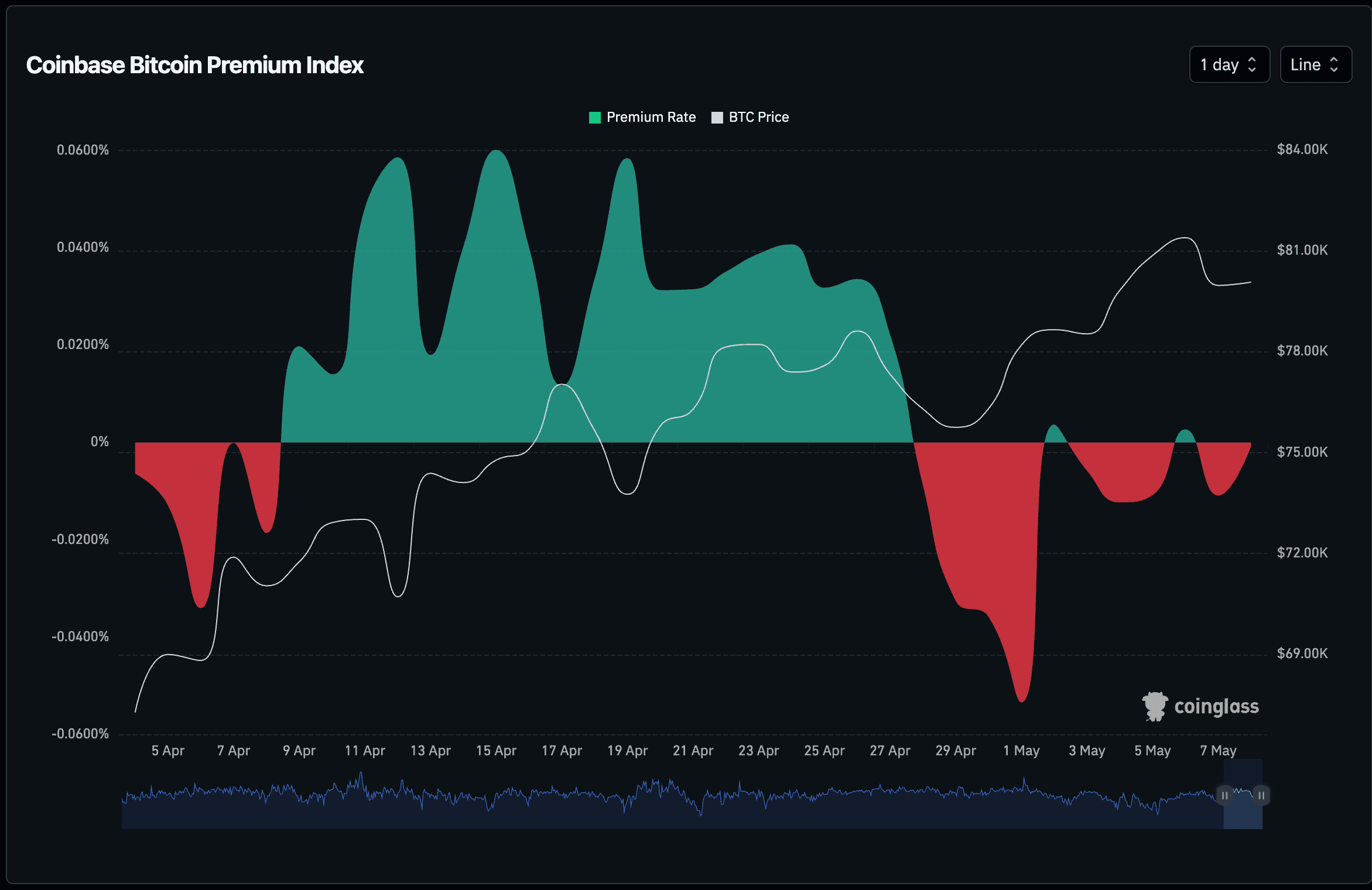


Friday's U.S. nonfarm payrolls report is shaping up as the week's defining macro print for crypto. Economists polled by Reuters expect April job growth of just 62,000 — a sharp deceleration from March's 172,000 — with the unemployment rate seen holding near 4.3%. Bitcoin is already trading below $80,000, and the report's wage-growth line is the swing factor that will determine whether risk assets stage a relief rally or roll over.
Why it matters
A softer payrolls number on its own is the bullish read for bitcoin: it strengthens the case for the Federal Reserve to stay on hold through this year and to delay any tightening cycle beyond 2026. Markets are already pricing steady rates through 2026 followed by a hike next year, and a downside surprise on jobs locks that path in. The complication is average hourly earnings, forecast at 3.8% year-on-year versus 3.5% prior. Sticky wage growth layered on already-elevated oil prices keeps the stagflation tail live and gives the Fed a reason to push back against rate-cut expectations.
Market impact
Traders will read the wage line before the headline. A softer-than-expected earnings figure is the cleanest setup for a relief bid in risk; a hot print alongside weak payrolls is the stagflation mix QCP Capital flagged in its note, warning that "if crude fails to de-escalate before the May 20 FOMC minutes, the stagflation narrative will become much harder to dismiss." Prediction markets currently price a 97% probability of no Strait of Hormuz normalization by May 15 — a gap with equities that has been the week's defining contradiction. Alex Kuptsikevich, chief market analyst at FxPro, framed the technical levels: bitcoin has retreated below $80,000 from the 200-day moving average, with the lower boundary of its uptrend channel near $77,500 and a broader trend break requiring a move below $75,000. The Coinbase Bitcoin Premium Index has also flipped to a discount this week — historically a tell that U.S. institutional demand has stepped back just as price tested the $80,000 resistance. Add to that record $2.6 trillion in S&P 500 call option volume, a U.S.

Frequently asked questions
-
Why would a weaker U.S. jobs report be bullish for bitcoin?
Softer hiring reinforces expectations that the Federal Reserve will keep rates steady through 2026 and delay any tightening cycle, which is supportive for risk assets like bitcoin. Markets are already pricing that path in; a downside jobs surprise would lock it in.
-
What is the wage-growth figure traders are watching?
Average hourly earnings are forecast at 3.8% year-on-year for April, up from 3.5% prior. Sticky wage growth, combined with elevated oil prices, is the ingredient that keeps the stagflation tail live and complicates the Fed's path.
-
What key bitcoin price levels are analysts flagging?
FxPro's Alex Kuptsikevich sees bitcoin back below $80,000 and off the 200-day moving average, with the lower boundary of the uptrend channel near $77,500. A broader trend break would likely require a fall below $75,000.
-
What is the Coinbase Bitcoin Premium Index telling us right now?
The index has flipped into a discount this week, meaning BTC is trading cheaper on Coinbase than on offshore venues like Binance. Historically, persistent positive readings have coincided with bull runs; the discount signals U.S. institutional demand has stepped back just as price tested $80,000.
-
How does the Strait of Hormuz situation factor into Friday's trade?
Prediction markets price a 97% probability of no Hormuz normalization by May 15. QCP Capital warns that if crude fails to de-escalate before the May 20 FOMC minutes, the stagflation narrative becomes much harder to dismiss — making the wage print even more pivotal.
 CryptoSlate
 Whale Alert
 Crypto News
 Crypto Rank News
 WuBlockchain
 CoinTelegraph