A new door into Bitcoin
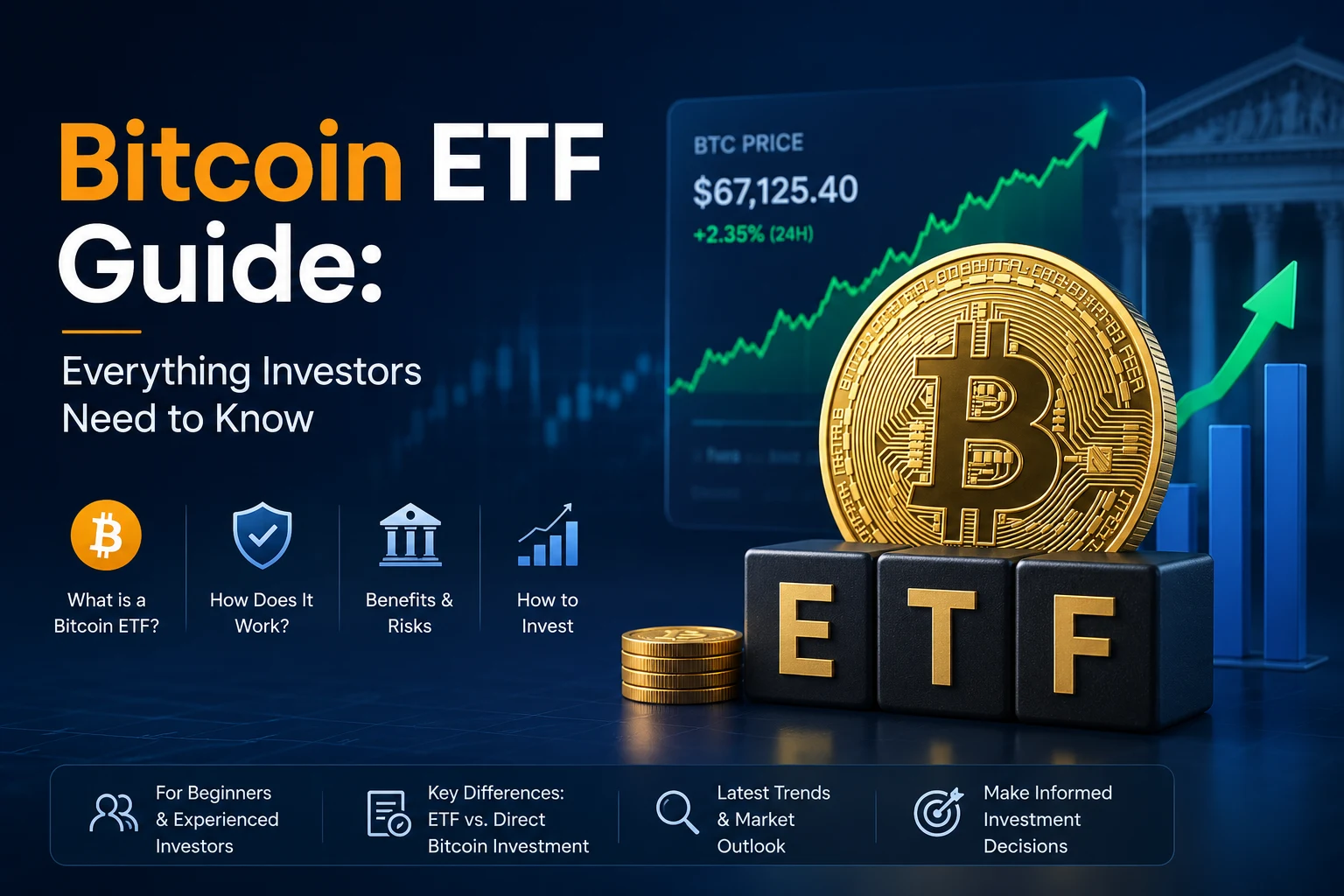
The arrival of spot Bitcoin ETFs was one of the most significant structural changes in Bitcoin's history. For the first time, vast pools of capital that could never easily touch crypto before — pension funds, financial advisors, cautious institutions, ordinary brokerage and retirement accounts — gained a simple, regulated way to gain Bitcoin exposure. Understanding how these products can influence Bitcoin's price helps you interpret market moves without falling for oversimplified narratives in either direction.
This is educational, not investment advice. And a crucial caveat up front: price is driven by many forces, and no single factor — ETFs included — fully explains it.
The core mechanism: real demand for real bitcoin
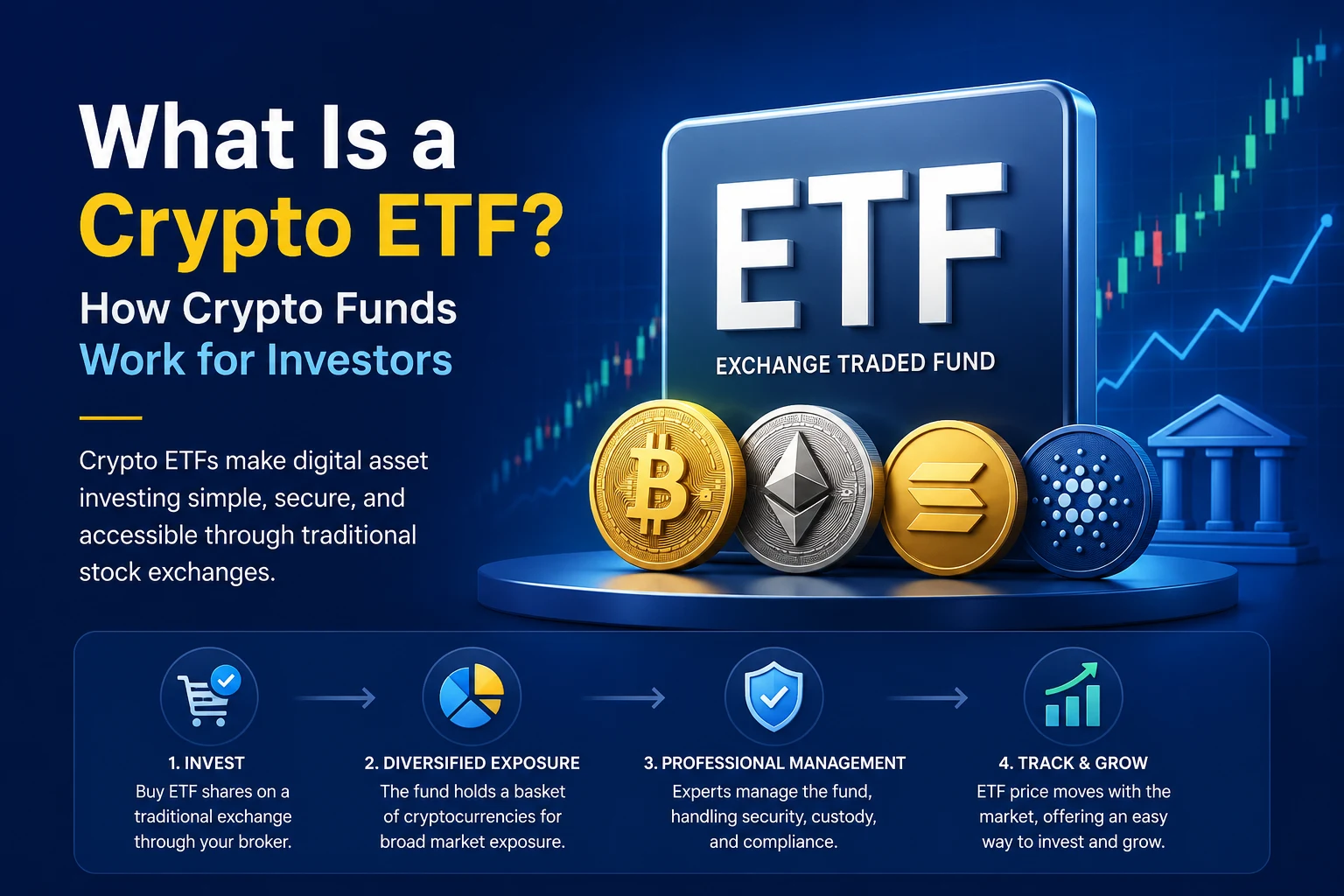
The most direct way a *spot* ETF affects Bitcoin's price is straightforward. A spot Bitcoin ETF holds actual bitcoin. When investors put money into the ETF, the fund generally must buy real bitcoin to back those shares. That buying is genuine demand hitting the market.
The reverse is also true: when investors pull money out, the fund may sell bitcoin, adding genuine selling pressure. This is why spot ETFs connect traditional investment flows directly to the underlying Bitcoin market in a way that earlier products did not. (This is also a key difference from futures-based products — see spot Bitcoin ETF vs futures ETF.)
Accessibility: widening the pool of buyers
Beyond the direct buying, ETFs change *who can participate*:
- Institutional access. Many large institutions face rules or practical barriers that made holding crypto directly difficult. An ETF in a familiar, regulated wrapper removes much of that friction.
- Financial advisors. Advisors who manage others' money can more readily include a regulated ETF in portfolios than direct crypto.
- Retirement and brokerage accounts. Ordinary investors can gain exposure inside accounts they already have, without wallets or exchanges.
By lowering these barriers, ETFs can expand the total pool of potential demand for Bitcoin. A larger, more accessible buyer base is, all else equal, a meaningful structural shift — and part of why institutional investors buying Bitcoin became a major story.
Fund flows as a demand signal
Because spot ETF activity translates into real buying and selling, market watchers pay close attention to fund flows — the net amount of money moving into or out of these ETFs:
- Strong inflows suggest growing demand and are often read as a bullish signal.
- Sustained outflows suggest weakening demand or profit-taking and are watched warily.
Flows have become a closely tracked indicator of institutional sentiment toward Bitcoin. But read them as one input, not a crystal ball — flows can reverse, and they reflect the past, not a guaranteed future.
Other ways ETFs influence the market
- Legitimacy and perception. The existence of regulated ETFs from major financial firms can enhance Bitcoin's perceived legitimacy, indirectly influencing demand and sentiment.
- Price discovery and liquidity. Greater institutional participation can affect how liquid and efficiently priced the market is.
- Narrative and attention. ETF milestones generate enormous media coverage, which itself feeds into crypto market sentiment.
The essential caveat: ETFs are not the whole story
Here is where careful thinking matters. It is tempting to attribute every Bitcoin move to ETF flows, but that is a mistake. Bitcoin's price responds to a tangled web of factors:
- Macroeconomic conditions (interest rates, inflation, the broader economy)
- The Bitcoin halving and supply dynamics
- Regulation and policy shifts
- Overall market sentiment and risk appetite
- Major events, hacks, and news
- Activity from long-term holders, miners, and other participants
ETF flows are one important strand in this web — sometimes a dominant one, sometimes overwhelmed by larger forces. Anyone claiming ETFs alone explain or predict Bitcoin's price is oversimplifying. The honest view: ETFs added a powerful new demand channel and a useful sentiment signal, but Bitcoin remains driven by many interacting forces. For more on the broader drivers, see what causes Bitcoin price movements.
See the full picture
ETF flows are just one signal among many that move Bitcoin, and watching them in isolation can mislead.
sources, so you can weigh ETF developments alongside the macro, regulatory, and sentiment forces that also drive price — and avoid the trap of reading the market through a single lens.

 CryptoSlate
 Glassnode
 WatcherGuru
 Altcoin Daily
 WuBlockchain