








Learn
Evergreen guides — pick a topic and go deep.
-
 regulation
GENIUS Act Stablecoin Rules: A Plain-English Walkthrough
The GENIUS Act sets US rules for payment stablecoins: 100% reserves, no yield, and a new OCC license. Here is what it actually changes.
-
 regulation
Stablecoin Tax in the US: Income, Gains, and Self-Employment
A freelancer paid $10,000 in USDC owes income tax on receipt, self-employment tax on the invoice, and capital gains when they spend it. Here is the math.
-
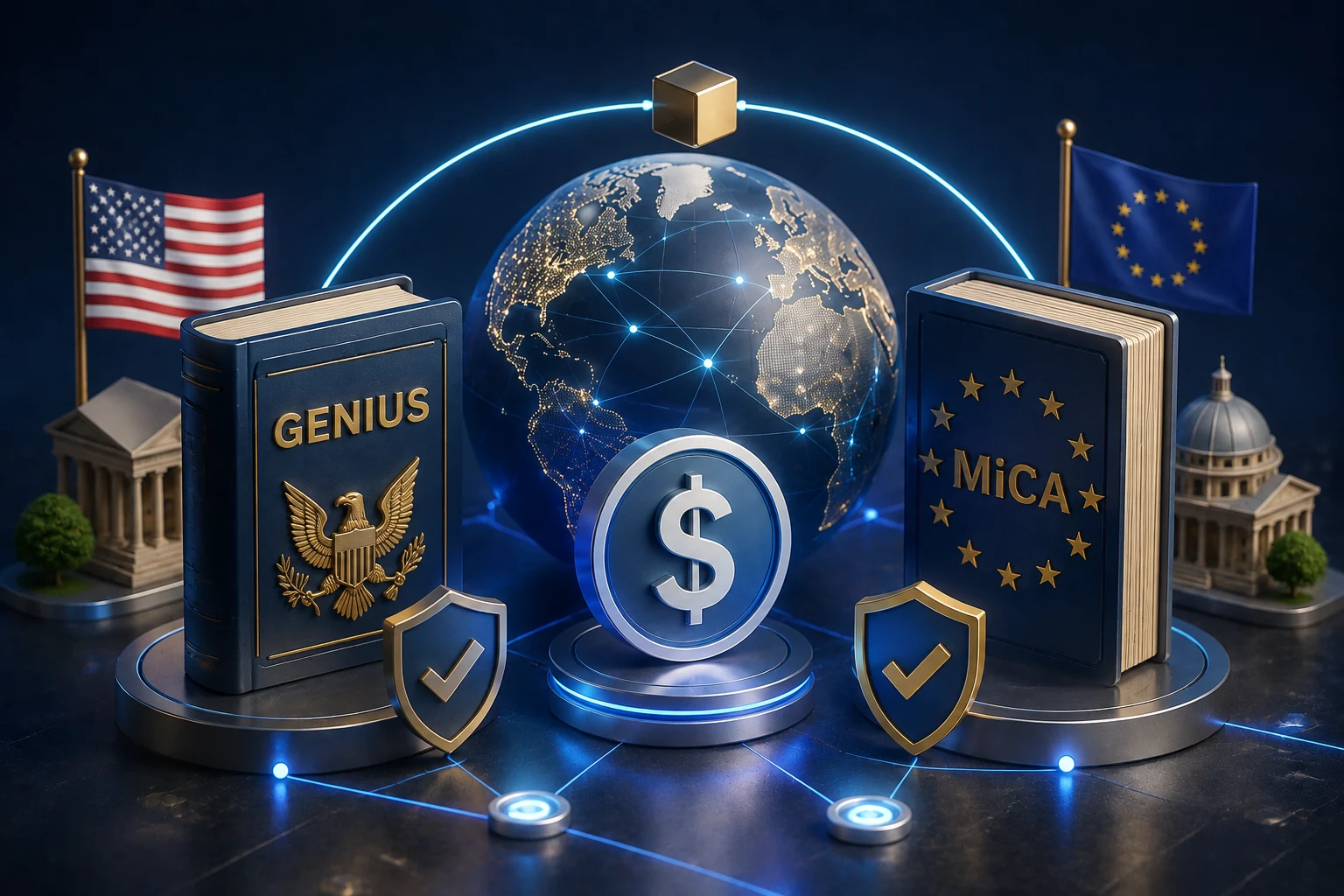 regulation
Cross-Border Stablecoin Compliance Under GENIUS and MiCA
A practical compliance map for US-to-Mexico USDC corridors, covering state licensing, MiCA CASP registration, the FATF Travel Rule, and the real audit hot spots.
-
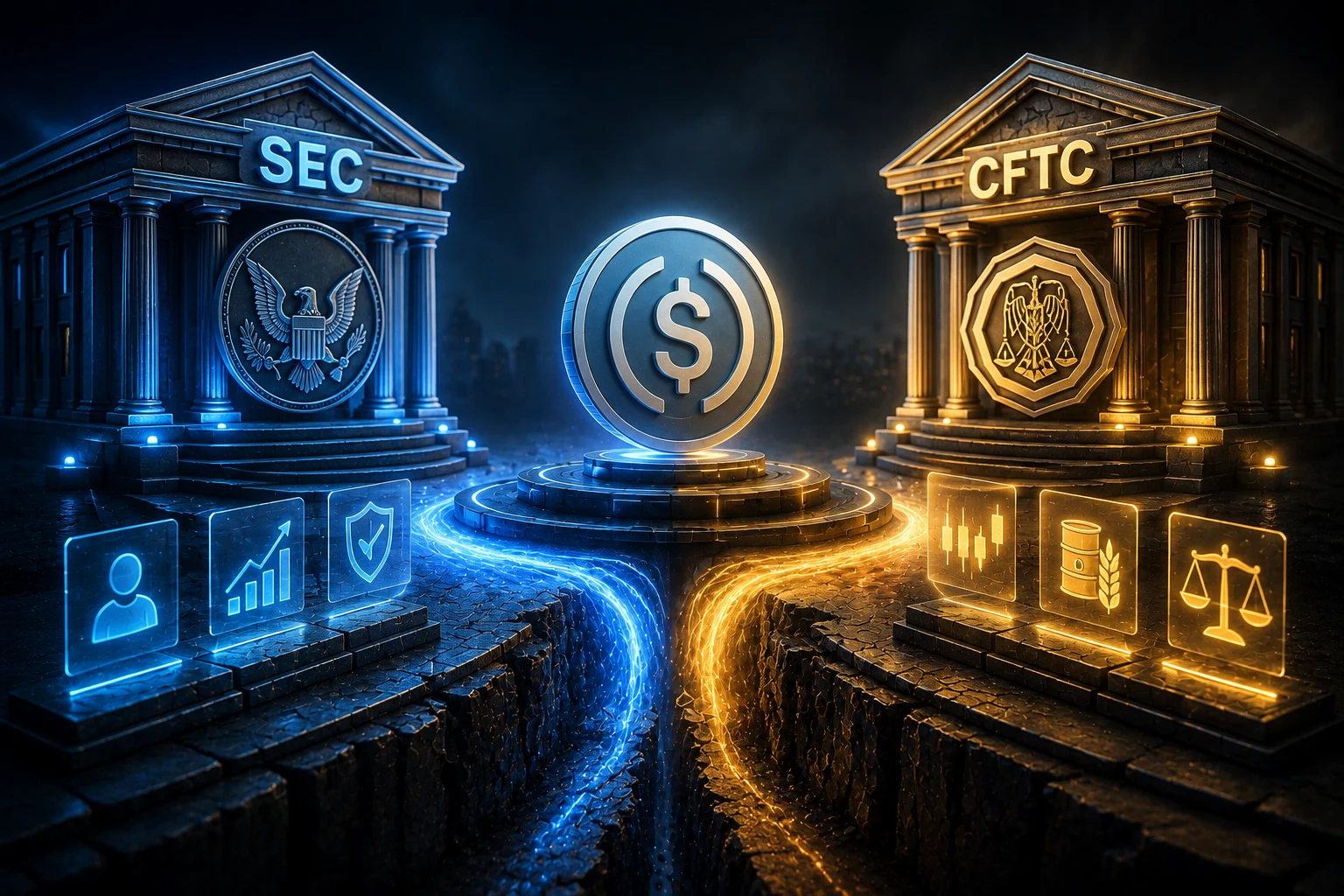 regulation
SEC vs CFTC Stablecoin Jurisdiction: Who Regulates What
Two US agencies claim overlapping authority over stablecoins. Here is the actual jurisdictional map, the open court cases, and where the lines remain undefined.
-
 regulation
MiCA, E-Money, and EMTs: EU Stablecoin Rules Explained
Most euro and dollar stablecoins sold in the EU now run under a MiCA license or an older e-money license. Here is how the regimes differ in practice.
-
 regulation
Stablecoin KYC, AML, and Privacy: What Stays Anonymous
Regulated stablecoins like USDC are often more surveilled than a bank account. Here is what actually stays private, and what does not.
-
 regulation
Stablecoin Licensing 101: EMI, MiCA, US State Licenses
Stablecoin issuers sit on a stack of overlapping licenses across the EU, UK, US, and Asia. Here is who holds what, and why offshore shells are vanishing fast.
-
 regulation
MiCA E-Money Tokens vs Asset-Referenced Tokens Explained
Under MiCA, EURC is an e-money token while USDC is asset-referenced. That split changes who can issue, where reserves live, and which EU exchanges can list each.
-
 regulation
GENIUS Act Reserve Requirements: What Counts as Stablecoin Backing
The GENIUS Act limits stablecoin reserves to short-term T-bills, repo, and central bank deposits, bans yield for non-bank issuers, and splits oversight between state and federal pathways.
-
 regulation
Stablecoin Payments and Tax: What You Actually Owe
Sending USDC, swapping to USDT, or paying with a crypto debit card can each trigger a taxable event. Here is how the rules actually work.
-
 regulation
SEC vs CFTC vs OCC: Who Regulates Stablecoins in 2026?
The GENIUS Act gives the OCC the federal stablecoin issuer license, but the SEC's claim over yield-bearing tokens and the CFTC's derivatives reach leave real seams unfilled.
-
 regulation
Stablecoin Yield Products: Legal Status Across Major Jurisdictions
EU bans interest on most stablecoins. The US is ambiguous. Singapore permits it with disclosure. Here's how MiCA, GENIUS, and the SEC each treat yield wrappers.
-
 regulation
MiCA vs MAS vs Hong Kong vs Singapore: Stablecoin Rules Compared
Only MiCA has issued live stablecoin licenses. MAS is selective, HKMA is pilot-only. Here is what each framework actually costs issuers in 2025.
-
 regulation
Crypto Tax on Stablecoin Swaps: Traps, Loopholes, and the Truth
In the US, swapping USDC for USDT is a taxable event, even though the price barely moved. Most DeFi users are not tracking these swaps correctly.
-
 regulation
GENIUS Act: How Foreign Stablecoin Issuers Can Stay Accessible
The GENIUS Act lets offshore stablecoin issuers like Tether serve US users, but only after a Treasury finding. Here is who qualifies and who does not.
No published guides yet — check back soon.